Showing posts with label Ear-Nose-Throat. Show all posts

Sunday, April 06, 2008

My Immune System Confronts a Virus


After a stem cell transplant, it's a little scary to run into a familiar old enemy
by Jason Carpenter

As I reached Day 21 of my stem cell transplant, my recovery hit a very scary wall. I woke up with a fever of 102 and could barely lift my head off my pillow. I felt that little tingle in the back of my throat and knew right away what it was: the common cold.

For a stem-cell-transplant patient, though, a cold is anything but common. Quoth the International Myeloma Foundation: “Even a minor infection...can lead to serious problems because the body’s immune system is so weakened by the effects of the high-dose chemotherapy and the loss of blood cells.”

Translation: I could die. Continue reading »

Thursday, January 17, 2008

Antidepressant Effectiveness Probably Overstated: Report

(HealthDay News) -- A systematic review of studies on antidepressants concludes that the positive effects of these drugs are probably overstated in the medical literature.

But it's not clear if the bias comes from a reluctance to submit negative manuscripts or decisions by journals not to publish them, or a combination of both, according to Oregon Health and Science University researchers, whose report is published in the Jan. 17 issue of the New England Journal of Medicine.

The researchers compared drug efficacy inferred from published studies with drug efficacy reported to a mandatory U.S. government registry of clinical trials, in which all results, including raw data, must be included.

Only 51 percent of studies in the U.S. Food and Drug Administration registry were considered by the agency to have positive results.

In the published medical literature, however, 94 percent of studies appeared positive.

The increase in the effectiveness of the drug ranged from 11 percent to 69 percent for individual drugs, and was 32 percent overall. The antidepressant Wellbutrin appeared to show a high level of bias.

The authors also noted that studies that were not positive were often published with a slant that made them seem positive.

"For the average patient, yes, these drugs are effective, just less effective than they appear," said study author Dr. Erick Turner, an assistant professor of psychiatry and pharmacology at Oregon Health Sciences University. "Don't be overly disappointed if you don't have an excellent response to the first antidepressant you try. You might have to try two or three, and you might need to add psychotherapy."

One expert hailed the finding.

"This is, in my opinion, an excellent paper and what it shows is really consistent with the past five years," said Adil Shamoo, founder of Citizens for Responsible Care and Research and a professor of biochemistry and molecular biology at the University of Maryland School of Medicine in Baltimore. "Publications have indicated that [the] industry basically has a tendency to bias publications towards positive results and to not publish negative results."

"Research is not regulated by anyone, so therefore they don't have to submit to anyone, and that's really the key," Shamoo added. "It's a systemic failure."

Other experts presented slightly differing points of view.

"It's not that the drugs are ineffective, but that the public's perception is that they are more effective than they are [something the authors also point out]," said Dr. Julio Licinio, chairman of psychiatry and behavioral sciences at the University of Miami Miller School of Medicine. "The data was good enough for the drugs to get approval."

"The concern that selective publication of clinical studies routinely overestimates the benefit of medical services is not new," added Dr. A. Mark Fendrick, a professor of internal medicine and health management and policy at the University of Michigan. "While the creation of clinical trial registries will enhance access to unpublished data, the availability of information alone will likely not be very useful to patients and clinicians unless the results can be analyzed in a careful manner, as performed in this important study."

The buzzword in health care these days is "evidence-based medicine," meaning therapies and preventive strategies that are based on careful, scientific evidence as reported in clinical trials.
However, the study authors pointed out, such evidence-based practices are helpful only insofar as the data available is complete and unbiased.

And, they said, it is difficult to study "selective publication" primarily because data from unpublished trials is hard to locate.

"Pharmaceutical companies have responded to the heat," Turner said. "[But] it's hidden under our very noses."

For example, as a result of a 2004 lawsuit, GlaxoSmithKline initiated a clinical trial registry. "I have yet to speak to a colleague who knew about that," Turner said, adding that physicians generally look to peer-reviewed journals for guidance.

Licinio believes the reasons for the bias are a combination of people not submitting papers and editors/publishers not printing them. As the editor of the journal Molecular Psychiatry, Licinio receives more than 700 submissions a year and publishes an average of 144. "It becomes very difficult to select," he said.

"There should be a national repository for these kinds of reports [that don't get published in journals]," Licinio added. "Those papers don't see the light of day."

More information
The FDA has more on safety issues related to the use of antidepressants.

Sunday, January 13, 2008

Health Tip: What's Involved in a Sneeze

(HealthDay News) -- Sneezing, also called sternutation, is your body's way of getting something irritating out of your nose.

When the inside of your nose gets a tickle, a message is sent to the part of your brain called the sneeze center. The sneeze center sends a message to all the muscles that have to work together to create the sneeze. Those include the abdominal muscles, chest muscles, diaphragm, the muscles that control your vocal cords, muscles in the back of your throat, and your eyelid muscles. It's impossible to keep your eyes open when you sneeze.

The sneeze center makes all these muscles work in just the right order, to send that irritating particle out of your nose -- at speeds up to 100 mph, according to the Nemours Center for Children's Health Media.

About one of every three people sneezes when exposed to bright light; they are called photic sneezers. If you are a photic sneezer, you got it from one of your parents, since it is an inherited trait.

Oxy-Powder® Complete Cleansing System

Oxy-Powder® Complete Cleansing System

$147.75
[ learn more ]

Add to Cart

Complete Cleansing System with Livatrex™, Oxy-Powder®, Latero-Flora™, and two bottles of ParaTrex®.

Friday, January 19, 2007

Cow cloning 'bad news for farming'

The "horrifying" birth of a calf from a cloned cow in a British farm could destroy confidence in food and farming in this country, it has been claimed.

Lord Melchett, policy director of the Soil Association, said the Government's failure to impose regulatory controls on such a practice was "inexcusable".

He was speaking after it was reported that the calf, named Dundee Paradise, had been born at a Midlands farm last month. Her mother was created in the US using cells from the ear of a champion dairy Holstein, according to the Daily Mail.

Farmers are said to be using the cloning technology to develop supersize cows able to produce 70 pints of milk a day.

Campaigners claim the Department of Environment, Food and Rural Affairs (Defra) has acted irresponsibly by ignoring recommendations by an independent body three years ago to regulate the importation of "Frankenstein" livestock.

Defra said it was investigating whether proper procedure was followed when the cow's embryo was flown into the UK.

Lord Melchett told the Press Association: "I think the news that this has arrived without any checks and without any controls from the Government, despite the fact that they were advised by the Government advisory committee to introduce controls, will undermine trust in British farming and British food.

"I have seen absolutely no evidence that consumers want this and lots of evidence which suggests that consumers are very uneasy about the idea of eating meat from cloned animals or drinking milk from clone animals. The lack of Government action is inexcusable and damaging to British farming."

Peter Stevenson, chief policy adviser of Compassion in World Farming, said: "It is horrifying to learn that animal cloning has arrived on our farms. It is doubly worrying that there is no safeguard in place to avoid serious animal welfare and ethical problems from the introduction of this 'Frankenstein' technology. The UK Government must act responsibly by stopping further introductions and setting up an independent ethical watchdog to oversee this area."

A Defra spokeswoman said: "Any cloned embryo that enters the country will be identified in the consignment's accompanying pedigree documentation. The documents will be checked and noted by the official veterinarian at the board of entry point and will subsequently be recorded with the relevant breed society." The department said it would look into whether proper procedures were followed.

Monday, November 13, 2006

Banishing Balance Problems?

Q: Banishing Balance Problems?
You often suggest exercises to improve balance among seniors. How common are balance problems among older people and what is the cause?

A: Balance problems are very common among people over the age of 65 and are responsible for many serious injuries. It's estimated that this year one out of every four seniors living at home will fall.

Proper balance depends on the collaboration of three of your senses: your eyes, your sense of spatial orientation (the inner sense that tells you which way your feet or hands are pointing even with your eyes closed), and the vestibular system which encompasses the fluid-filled semicircular canals in the inner ear and informs the brain and eyes about the position of your head.

Each of these three senses diminishes with age, making balance more difficult.
Balance problems can also stem from the effects of alcohol, certain prescription drugs (ask your doctor if any of the drugs you take can have effects on balance), and such diseases as diabetes, which can cause numbness in the legs and feet, and arthritis, which can limit flexibility and range of motion.

Unfortunately, fear of falling often leads older people to become less active when, in fact, becoming moreactive can help reduce the risk. To improve balance, I recommend T'ai chi, which has been proven to reduce the odds of falling as well as the risk of injury if you do fall.

You can also learn balance exercises at the gym (have a trainer show you how to use balance boards or inflatable exercise balls). Physical therapy can further help you reduce the risk of falls with exercises tailored to whatever problem is impairing your balance.

You might also consider yoga, with its many balance poses, and Feldenkrais therapy to improve body awareness.

In addition, a new study from Indiana University at Bloomington has shown that exercises that speed up swaying may help forestall balance problems later in life.

We all sway when we stand on our feet but this happens so subtly that we're usually not aware of it.

Younger people generally sway backward and forward while older people tend to sway side to side, a less stable pattern. The Indiana researchers taught balance exercises to a group of adults between the ages of 55 and 60 who were in pretty good shape.

After doing three balance exercises four days a week for 15 minutes a day, all the participants improved their sway speed by an average of 16 percent, and, as a result, their stability.

One of the exercises required standing on one leg for 15 seconds with the other leg bent so the thigh was parallel to the floor; a second required balancing with one leg lifted to the side, and a third involved lifting one leg straight back while reaching forward with the opposite arm - all exercises that can be learned and practiced at home.

Andrew Weil, M.D.

Tuesday, September 19, 2006

Palate Implants Improve Sleep Apnea

(HealthDay News) -- A minimally invasive surgical technique that involves the insertion of small polyester rods into the soft palate may be an effective, long-term treatment for mild-to-moderate obstructive sleep apnea.

Dr. Regina P. Walker of the Hinsdale Medical Center in Hinsdale, Ill., and colleagues tested the Pillar procedure in 22 middle-aged patients, including 16 men and six women, with mild-to-moderate sleep apnea. Although some of the patients had previously tried a treatment called continuous positive airway pressure (CPAP), none had undergone any earlier surgery for their sleep apnea.

After 90 days, 17 of the subjects showed significant improvements in their snoring intensity, daytime sleepiness and apnea hypopnea index, a measure of breathing interruptions that occur during sleep. Most significantly, these results were sustained after 15 months, indicating that the improvements could be permanent, according to Walker.

Overall, the patients' apnea hypopnea index decreased from a mean of 19.5 to 13 events per hour after 90 days, and to 12.8 events per hour after 15 months.

Walker was expected to present the study at the 110th annual meeting of the American Academy of Otolaryngology-Head and Neck Surgery Foundation, being held Sept. 17-20 in Toronto, Canada.

"This is an important study," said Dr. Michael Friedman, chairman of head and neck surgery at Rush-Presbyterian-St. Luke's Medical Center in Chicago. "Sleep apnea is a huge problem affecting at least 12 million Americans. If you count very mild forms of sleep apnea, the number goes up to 50 million."

In sleep apnea, breathing stops or gets very shallow during sleep. Each pause in breathing typically lasts 10 to 20 seconds or more. These pauses can occur 20 to 30 times or more an hour. The most common type of sleep apnea is obstructive sleep apnea, according to the U.S. National Institutes of Health.

Even mild forms of sleep apnea can increase a person's risk of cardiovascular disease by five times, Friedman said. The condition is also associated with an increased risk of high blood pressure, weight gain, memory problems, depression and impotence.

Until the Pillar procedure was introduced about six years ago, patients with sleep apnea only had two treatment options: CPAP, a machine that keeps the airways open during sleep; and invasive surgery to remove excess tissue in the mouth and throat.

Although both treatments are effective, they have drawbacks, Friedman said. Because many patients are unwilling or unable to use a CPAP machine, compliance is only about 40 percent. And the results of invasive surgery tend to diminish after a year as tissues loosen and symptoms return, he said.

During the in-office Pillar procedure, patients receive a local anesthetic before several polyester rods are inserted into their soft palate. Pain is usually minimal and can be managed with over-the-counter medications.

Most patients can resume full activity the same day and return to their usual diets after a day or two. They usually can't even feel the implants after a week or two. Rarely, implants work their way to the surface and must be re-implanted, Friedman said.

It's not the rods themselves that tighten loose tissue and reduce symptoms of sleep apnea, but the scar tissue that forms around them. "Scar tissue tends to become more effective over time," Friedman said. "That's why this study is important, because it shows that the results are stable or even better after 15 months, whereas the results of invasive surgery drop off after a year."
Although most of the patients in Walker's study were overweight or mildly obese, the Pillar procedure isn't recommended for patients who are morbidly obese. Friedman estimated that up to 50 percent of sleep-apnea patients are candidates for the procedure, but said it probably would be a stand-alone treatment for only about half of them.

"The nice thing about this procedure is it doesn't eliminate the possibility of other procedures," Walker said. "Quite often, we can combine many treatments. Studies are now being done on implant patients who use CPAP machines to see if it's possible to reduce CPAP pressure."

The Pillar procedure costs about $1,500, which insurance may cover in patients with diagnosed sleep apnea but not in patients who simply have snoring problems. "It's still a fairly new procedure that doesn't have a specific CPT code," Walker said. "I would say that about 25 to 30 percent of procedures in sleep-apnea patients are being paid for, although the number appears to be increasing."

Some doctors are using the Pillar procedure to treat severe sleep apnea. "But this hasn't been well-studied," Walker said. "So, it's too early to say if the implants will be of benefit to such patients."

More information
To learn more about sleep apnea, visit the National Institute of Neurological Disorders and Stroke.

Tiny Balloons Open Blocked Sinuses

(HealthDay News) -- A new procedure that uses tiny balloon catheters to prop open inflamed sinuses is easing the misery of chronic sinusitis sufferers.

A report on the procedure was to be presented at the American Academy of Otolaryngology Head and Neck Surgery Foundation annual meeting Sunday, in Toronto.

"This new technology presents what seems to be faster healing, less postoperative care, minimal pain and bleeding, and improved quality of life for many patients who suffer with chronic sinusitis," said study investigator Dr. Howard L. Levine, director of the Cleveland Nasal Sinus and Sleep Center.

Chronic sinusitis, which can be due to infection, inflammation or anatomical obstructions, affects some 37 million Americans. Many people with the disorder are helped with antibiotics, but more severe cases call for surgery. In conventional endoscopic sinusotomy, an otolaryngologist uses an endoscope to examine the sinuses, and inserts micro-shavers and delicate instruments to remove diseased bone and soft tissue.

"This enlarges the sinus and returns it to function," Levine explained.
From this concept, balloon catheterization was born. The investigators describe it as another technology that will augment the ability to preserve sinus function.

Dr. David Sherris, chairman of otolaryngology at the University at Buffalo in New York, agreed. "The study shows the balloon catheter is effective in opening some sinuses, and this may prove to be less invasive for certain aspects of sinus surgery," he explained.

Even though it is performed in the operating room under general anesthesia, the new procedure is shorter, with a quicker recovery, the researchers say. Using fluoroscopic imaging, a small flexible wire is guided into the sinus. Over this guide wire, a 3-millimeter, 5-millimeter or 7-millimeter balloon is passed into the sinus cavity. Once positioned, the balloon is dilated, the catheter is removed, and the dilated opening is inspected, Levine said.

The procedure takes from 30 minutes to two hours, depending on degree of pathology and the complexity of the patient's sinus anatomy. Depending on the disease, this procedure can be combined with traditional endoscopic sinus surgery.

The multi-center landmark study analyzed six-month data from 115 patients (41 male, 74 female). Mean patient age was 47.8 years, and ranged from 21 to 76 years. Twenty-one patients (18.3 percent) had previous endoscopic sinus surgery. At 24 weeks, endoscopies showed that 82.1 percent (252 of 307 sinuses) were open. Patients showed consistent symptomatic improvement over baseline, the researchers reported.

No serious adverse events occurred, and there were no complications. Narrowing of dilated openings occurred infrequently, and revision surgery was rarely necessary, the researchers reported.
"Realistically, we know sinusitis is caused by many things -- respiratory infections, allergies. And even with the best of surgical procedures, there are always ups and downs, with the possibility for recurrence," Levine said. "The hope is that (balloon sinusotomy) will lessen disease severity and frequency and, hopefully, cure it."

Patients who are not candidates are those with nasal polyps, previous sinus surgery with severe scarring, or those with previous surgery who have new abnormal bone growth, said Levine.
In the end, people who live with the misery of chronic sinusitis now have a minimally invasive option that can preserve structure and function and allow return to normal activity faster, Levine said. He also speculated that the procedure could lower health-care costs because patients would be back to work and school sooner. "It could reduce costs in the long run, with less postoperative care compared to conventional sinusotomy," he said.

Although he is not currently trained in the procedure, Sherris said he "would be interested in trying it in minor revision sinus surgery and some sinus surgery in children."
"Longer term studies and head-to-head comparisons with standard endoscopic sinus surgery techniques will be necessary to establish the place of balloon sinuplasty in the toolbox of endoscopic sinus surgeons," Sherris said.

Because it is minimally invasive, the procedure could be "ideal for children," Levine said, noting a prospective study is under way to evaluate its feasibility in pediatric cases. The U.S. Food and Drug Administration approved the procedure for adults last year, he noted.

More information
The National Institute of Allergy and Infectious Diseases has more on sinusitis.

Monday, September 11, 2006

Children's Health

Children's Health
In this section many common questions related to children’s health are explored.

Contrary to popular belief, children are not "little adults," and the approaches to their health conditions are often markedly different than those used for grown-ups.

The rapid changes that occur during growth and development require special consideration in choosing both treatments and medications.

In some cases, specific treatments have not been well studied in children, but the majority of childhood health concerns are those that parents have been asking about for many generations, and the solutions are tried and true. Information on other childhood conditions can be found in the QA archives.

  • Acupuncture
  • Attention Deficit Disorder
  • Asthma from Exercise
  • Bedwetting
  • Broken Bones
  • Carsickness
  • Colicky Babies
  • Constipation
  • Ear Infections
  • Early Puberty
  • Fluoride
  • Food Coloring
  • Head Lice
  • Overweight Kids
  • Sore Throat
  • Teething
  • Toy Safety
  • Vitamins

Acupuncture
In the United States, acupuncture hasn’t often been used to treat children, mainly because youngsters tend to be afraid of needles.

But several recent studies have suggested that this fear can be overcome and that children can benefit from acupuncture treatment for certain conditions.

The latest study on this subject was conducted at the Harvard-affiliated Children’s Hospital in Boston by Yuan-Chi Lin, MD, an anesthesiologist who specializes in pain management in children. Dr. Lin’s study included 243 youngsters ranging in age from six months to 18 years who were being treated for headaches, stomachaches, back pain and other chronic complaints that often caused them to miss school.

When the study began, the young patients rated their pain as an "8" on a scale of 1 to 10. (One of Dr. Lin’s methods of demonstrating to the kids that the needles won’t hurt is by inserting them first in the children’s parents.)

When the year-long study was over, the average pain rating among the youngsters was a "3." The kids also reported missing less school, sleeping better, and being more able to participate in extracurricular activities as a result of treatment.

In an earlier study at the same hospital, 70 percent of the 47 youngsters participating reported that acupuncture helped relieve their pain and 59 percent of their parents agreed.

The conditions for which these patients were treated included migraines, endometriosis in teenage girls, and reflex sympathetic dystrophy (a syndrome in which pain becomes chronic after an injury).

In this study, 15 children were age 12 or under while 32 were between 13 and 20 years old. Other studies have looked at acupuncture as a treatment for attention deficit hyperactivity disorder and cerebral palsy in children.

While not many acupuncturists specialize in treating children, Dr. Lin estimates that about a third of pediatric pain centers nationwide now offer acupuncture to their young patients.

Acupuncture is best used for pain reduction as part of comprehensive treatment that includes relaxation techniques, clinical hypnosis and various forms of bodywork.

Attention Deficit Disorder
Ritalin, a stimulant, remains the most common treatment for Attention Deficit Disorder (ADD), also called Attention Deficit Hyperactivity Disorder (ADHD). Paradoxically, with ADHD the drug has a calming effect, apparently because it stimulates parts of the brain that regulate activity and attention.

While it can have excellent results in some cases, it is greatly over-prescribed.
There currently is no herbal treatment for ADHD, except possibly coffee, which may work like Ritalin for some patients.

Pediatrician Sandy Newmark, M.D., of Tucson, Ariz., confirms that no herbs have been found effective for treating the main or "core" symptoms of ADHD — that is, lack of focused attention that often leads to poor school performance. And he doesn’t think coffee is a good long-term solution. However, Dr. Newmark notes that herbs can help with some of the associated symptoms. For example, valerian tea can help youngsters with sleeping problems and St. John's wort can help relieve depression. For children under 12, use half the adult dosage.

Dr. Newmark does recommend a dietary supplement, omega-3 fatty acids, for all children with ADHD because levels of omega-3s in the plasma and red blood cells of children with ADHD are lower than in normal children. He also recommends that youngsters with ADHD take a quality multivitamin as well as a good probiotic, a product that contains "friendly" bacteria that can stabilize the digestive tract. You can find milk-free brands in health-food stores.

Make certain that the underlying cause of your child’s disruptive behavior really is ADHD, and that he or she isn’t acting out difficulties at home or expressing frustration with a learning disability. Be sure to rule out hearing or vision problems, allergies, depression or even boredom in a gifted child.

As far as foods are concerned, while there’s no evidence that a dietary approach helps in all cases, a 1993 Cornell University study found that eliminating dairy products, wheat, corn, yeast, soy, citrus, eggs, chocolate, peanuts, artificial colors and preservatives seemed to decrease ADHD symptoms. An even earlier study showed that a low-allergen diet supplemented with calcium, magnesium, zinc and vitamins produced favorable results.

Asthma from Exercise
Exercise can trigger asthma symptoms in children and adults – even those who don't otherwise suffer from the condition - and can aggravate the problem in up to 80 percent of those who do have asthma.

The symptoms – coughing, wheezing, shortness of breath or tightness in the chest – usually come on after exercise, although they can occur soon after exercise has begun. It can be treated with medication and by taking precautions to prevent or minimize symptoms. Here’s a rundown of medication options, provided by pediatrician John Mark, MD, an assistant professor of pediatrics at the University of Arizona who treats asthma in both adults and children.

Albuterol – A short-acting bronchodilator that’s inhaled 15 to 20 minutes prior to exercise and that protects against symptoms for about four to six hours.

Salmeterol – A long-acting bronchodilator that’s inhaled twice a day which offers protection for up to 12 hours. You can also use salmeterol as a preventive before you work out.

Montelukast (Singulair) – A drug that blocks the action of leukotrienes in the lungs, resulting in less constriction of bronchial tissue and less inflammation. Leukotrienes are one of several classes of chemical messengers produced in the body that can trigger bronchial constriction and inflammation. Montelukast is available in pill form and is taken the night before you exercise.

Cromolyn (Intal) – An anti-inflammatory drug inhaled 15 to 20 minutes before exercising that prevents the release of histamines and leukotrienes. It’s most useful in asthma when an allergic component is present.

In addition to medication, the following approaches can help prevent or minimize symptoms:
A very slow warmup. Even to the point that your child reports the beginning feelings of the "tightness" associated with exercise-induced asthma.

Then your child should stop and stretch, or slow down if exercising vigorously. By taking this break, the development of asthmatic symptoms can often be blocked and a normal pace can be resumed. This may take some getting used to, but can sometimes eliminate the need for medication.

Try breath work. The most effective approaches are pranayama techniques – breath control exercises taught in some yoga classes for adults. You can have your child do these after the initial warm-up, again, when the symptoms are almost felt. For most children, you can start with Dr. Weil’s technique for "The Relaxing Breath."

Find a form of physical activity that minimizes exercise-induced symptoms. Sports or activities that have intermittent rest periods (such as tennis, softball and golf) can allow your child to regain control of his or her breathing. Swimming may be better than running outdoors in cold weather, but no type of exercise is off-limits with proper treatment. In fact, some of the world’s top athletes have exercise-induced asthma, and they’re still able to compete successfully in Olympic-level events.

Bedwetting
Although by age 8 most youngsters have outgrown bedwetting, a sizeable minority still haven’t. As a matter of fact, 5 to 10 percent of boys still have enuresis (the medical term for bedwetting) by age 10. Enuresis tends to run in families and, when this is the case, children usually outgrow it at the same age as the parent, sibling or other relative who had the problem did.

No one knows what causes bedwetting, although it is sometimes associated with constipation. If so, simple dietary changes such as eating more fruits and vegetables and drinking more water early in the day can help resolve matters. Pediatrician Sandy Newmark, MD, of Tucson, Ariz., suggests making sure that children aren’t drinking any beverages that contain caffeine (such as some sodas) and trying to limit (within reason) the amount of fluids they drink in the evening.

Dr. Newmark explains that an "enuresis alarm" is the most simple and effective intervention for youngsters. This device is a wristwatch with a sensor that is attached to pajamas so that the alarm sounds at the first sign of wetness.

This system eventually conditions a child to wake when the bladder is full. Dr. Newmark says that the alarms work in about 70 to 80 percent of children. They are available at most drugstores and cost about $50. Be patient with this system since it can take weeks, and sometimes months, to see results.

If the alarm doesn’t help, Dr. Newmark suggests trying hypnosis as a safe and effective treatment. While some pediatricians prescribe drugs for children who wet the bed, using medication is controversial and should be viewed as a last resort. Homeopathic remedies also may be effective; consult a homeopathic practitioner if you want to try this approach.

Broken Bones
Results of a recent study at the Mayo Clinic in Rochester, Minn., suggest that the rate of wrist and forearm fractures among young girls has increased dramatically in the last 30 years. The study results, published in the Sept. 17, 2003, issue of the Journal of the American Medical Association showed that the fracture rate for young girls increased 56 percent from 1969-1971 and 1999-2001.

Boys still suffer more fractures, but the rate of increase among young boys was only 32 percent. Overall, the Mayo Clinic researchers found that the fracture rate among young people had increased 42 percent over three decades.

The researchers had no answers for why this is happening. It is unlikely that youngsters are breaking more bones because they’ve become more physically active. One possibility is that kids may not be getting enough calcium during a period when their bones are growing rapidly.

If so, their bones may never become as dense as they should, which raises the possibility that affected youngsters may be more vulnerable later in life to osteoporosis and hip and vertebral fractures.

The researchers noted that government surveys have shown a decrease in milk consumption among older girls and an increase in consumption of carbonated drinks. The phosphates in carbonated beverages interfere with calcium absorption.

The RDA for calcium is 1,300 mg for young people age 9 to 18. This translates to 4-5 servings of dairy per day, but kids don’t have to drink milk to get their calcium. Other good sources include yogurt, cheese, sea vegetables, collard and mustard greens, kale, bok choy, broccoli, canned salmon and sardines, tofu that has been coagulated with a calcium compound, calcium-fortified soy milk, fruit juice and blackstrap molasses.

Other experts have noted instances of vitamin D deficiency that could contribute to weakened bones. Our bodies make vitamin D with exposure to sunlight, and youngsters who spend too much time indoors may not produce optimal amounts of vitamin D. Spending 10 minutes in the sun without sunscreen a few days each week will do the trick, but it is not a bad idea for kids 12 and older to take a multivitamin supplement that includes 400 IU of vitamin D.

Carsickness
Carsickness, like all types of motion sickness, occurs when the brain receives conflicting signals from the inner ears, eyes, and other parts of the body that sense motion. A child sitting in the back seat of a car may sense movement – her inner ear perceives the motion – but she may not be able to see out the window to see that she is moving. At the same time, her perception is that her body isn’t moving at all. In some children, these conflicting messages can result in very distressing nausea.

One effective remedy for motion sickness comes from an old Chinese fisherman’s remedy of stimulating the acupressure points that control nausea. The updated version of this treatment is done with wristbands equipped with a plastic peg that presses on acupressure points on the inner surfaces of the wrists. The wristbands are available at most drug and health-food stores. Follow package directions carefully – proper placement of the wristbands is critical.

Motion sickness can also be prevented (and treated) with ginger. Mix a half teaspoon of ginger powder in a glass of water and give it to your child 20 minutes before you get in the car. Or give your child two capsules of powdered ginger.

This remedy has proved more effective than Dramamine – with none of the drowsiness that can occur as a side effect of the drug. Ginger snaps, ginger ale and candied ginger can all help with mild nausea, so keep some in the car should someone develop symptoms during the trip. You also could explore homeopathic remedies – and possibly hypnosis – as a long-term solution.

The American Academy of Pediatrics suggests trying to deal with carsickness in children by focusing youngsters’ attention away from their queasiness. Listen to the radio or tapes, sing or talk. Also, direct their attention at things outside the car, not at books or games. Make sure that they look out the front windows, where apparent motion of objects is less.

Colicky Babies
First, exclude other reasons for the baby’s crying. Make sure the infant isn’t running a fever, isn’t lethargic, is eating normally and isn’t having any trouble breathing. Your pediatrician will also want to exclude GERD (gastroesophageal reflux disease), which can occur among babies (although it is much more common among adults).

The good news about colic is that what you see is what you get – a fussy, crying but otherwise perfectly healthy baby. Some doctors think that this irritating phase may be part of normal development. Between 5 and 28 percent of infants develop colic between when they are two to six weeks old, and usually outgrow it by the time they’re three to four months old.

Here are Dr. Russell Greenfield’s suggestions for dealing with colic – and with the frustration it can breed among parents:

  • Try massage therapy, a great way to enhance bonding between parent and child at a time when colic may be interfering with the bonding process.
  • Rock your baby rhythmically.
  • Turn on music or try the clothes dryer or vacuum cleaner. Sometimes the white noise they produce helps.
  • Try cranial osteopathy or homeopathy; both may help and are safe forms of treatment.
  • Try herbal remedies such as cooled chamomile or fennel tea. You can get tea bags at the health food store and give the baby one to two ounces at a time, no more than three to four ounces per day.
  • Switch to a cow’s milk-free formula, or, if breast feeding, change the mother’s diet to affect what is entering her breast milk (in some cases, a food sensitivity may play a role).
    Swaddle your baby – it provides a nice snug feeling.
  • Chill – find a way to relax; try breathing exercises or other relaxation techniques to lower your frustration level.

By the way, the latest international report on colic comes from a Canadian study that found that mothers don’t appear to sustain any lasting psychological effects as a result of dealing with a colicky infant.

Constipation
Constipation is a common problem for children and usually is temporary. Strictly speaking, a child is constipated if he or she has fewer than three bowel movements per week or if the stools are hard, dry, and unusually large or difficult to pass. Because constipation can make bowel movements painful, youngsters may try to avoid having them. (In addition, about 60 percent of constipated children experience recurrent abdominal pain, a common stress-related condition in youngsters.)

The causes of constipation in kids usually are simple and relatively easy to correct: not enough fiber in their diets, not drinking enough liquids or not getting enough exercise. Then, too, constipation can occur when youngsters ignore the urge to have a bowel movement, which they can do for reasons ranging from not wanting to take a break from playing to embarrassment at using a public bathroom or because a parent isn’t around to help when the urge occurs.

Medication can also be a factor. Those that can cause constipation include aspirin and codeine, vitamins with high doses of iron, the bismuth in Pepto-Bismol, as well as some chemotherapy agents (vincristine) and some psychiatric drugs (imipramine).

Sandy Newmark, MD, a pediatrician at the University of Arizona Program in Integrative Medicine, recommends the best ways to deal with constipation in young children, listed here:
Decrease dairy products: They can be constipating. Provide your child with an alternative source of calcium such as soy milk fortified with calcium or a calcium-fortified breakfast cereal.
Increase fluids: Encourage your child to drink lots of water.

Increase fiber: Give your child lots of high-fiber fruits and vegetables as well as high-fiber cereals, whole-grain breads and beans.

Although these measures probably will do the trick, if a child’s episodes of constipation last longer than three weeks and prevent him or her from participating in normal activities, you might want to consult a pediatrician. Don’t be tempted to administer the over-the-counter laxatives designed for children. They can be dangerous to youngsters and should be given only under the direction of a pediatrician.

Ear Infections
Recurrent ear infections can be troublesome during early childhood. Here are two strategies:
Eliminate milk and milk products from your child’s diet for at least two months. This means avoiding all dairy products as well as other foods containing milk in any form. Soy, rice, and nut milks such as almond milk are all right. The protein in milk, casein, is often associated with recurrent ear infections in early life as well as with sinus conditions, eczema, chronic bronchitis, and asthma.

Try cranial osteopathy. It is another good treatment for recurrent ear infections. When performed by a skilled practitioner, this technique can often end cycles of ear infections, sometimes with a single treatment.

The late Bob Fulford, D.O., a leading practitioner of cranial osteopathy, had great success curing recurring infections in young children. He believed that fluid stagnation in the middle ear – caused by restricted breathing – was at the root of the trouble.

Gentle manual manipulation (and sometimes application of a vibrating instrument known as a percussion hammer) opens up breathing, which in turn helps fluid drain from the middle ear. To find a practitioner of cranial osteopathy, send a self-addressed stamped envelope to the Cranial Academy, 8202 Clearvista Parkway, #9D, Indianapolis IN 46256. At the University of Arizona, researchers are now concluding a study funded by the National Institutes of Health's National Center for Complementary and Alternative Medicine on the use of both cranial therapy and Echinacea to break cycles of recurrent childhood ear infections.

Early Puberty
In the United States, there's a virtual epidemic of precocious puberty these days – the onset of puberty at very young ages in both boys and girls. Among Caucasian girls today, 1 in 7 starts to develop breasts or pubic hair before she is 8 years old. Among African-American girls, the number is 1 out of 2! Unfortunately, no one knows why this is happening, although there's plenty of speculation. Precocious puberty can be triggered by tumors in the pituitary gland, hypothalamus, ovaries, or testicles, but these cases are rare. Environmental factors are more likely to blame for the upsurge in cases today. The theory with the most scientific support is that obesity is responsible. I think this may be true, since we've long known that overweight girls mature physically earlier than thin ones.

Research also has suggested that environmental pollution may play a small role. In the spring of 2000, results of a study reported in the Journal of Pediatrics showed that boys exposed to DDE (a breakdown product of DDT) were heavier than their peers, while girls exposed to PCBs were heavier than their peers and tended to reach puberty a bit sooner, even though the actual numbers involved in the study were not deemed statistically significant. (Both DDT and PCBs are chemicals that appear to interfere with the body's own hormones.) Researchers are also looking at other environmental chemicals – among them Bisphenol A (BPA), used in manufacturing plastic – but so far haven't found a definitive link.

Unfortunately, there's not a lot to offer in terms of treatment and no natural remedy that I can suggest. Since it's occurring so often these days, some physicians believe that precocious puberty in girls between the ages of 6 and 8 should be seen as normal and not treated at all. (We do know that the risk of breast cancer later in life increases with an earlier onset of puberty.) The only approved allopathic treatments are two drugs: Gonadotropin-Releasing Hormone, GnRH, and Luteinizing Hormone-Releasing Hormone, LHRH, both given by daily injections or at intervals of every three to four weeks. These drugs interfere with the hormonal changes responsible for precocious puberty, in effect putting them on "hold" until the child reaches a more appropriate age (typically between the ages of 11 and 13 in girls). The drugs may also reverse the changes that already have taken place.

The physical changes are only one aspect of what girls must contend with as a result of precocious puberty. Because they look like young women, they're often treated as if they were much older than they are by boys (or men who should know better) and may also be teased by friends and at school. If you are a parent with a child in the midst of precocious puberty, you must keep the parent-child lines of communication open. Make sure that your child understands that despite the change in her appearance, he or she is still a child.

Fluoride
The only children who need fluoride supplements of any type are those who live in communities without fluoridated water supplies or in homes with water purifiers that remove minerals. The easiest, most efficient and most cost-effective means of making sure that children have adequate fluoride to protect against tooth decay is to support fluoridation of your area's water supply.

If your community's water is not fluoridated, your child will need dietary fluoride supplements which are available only by prescription from your dentist or physician. To protect against tooth decay, children need fluoride on a daily basis from the age of 6 months to 16 years. (Pregnant women take fluoride supplements beginning in the sixth month of gestation to ensure strong tooth development in the fetus – check with your obstetrician about this.) The correct dosage for your child must be calculated on the basis of the natural fluoride concentration of your local drinking water as well as your child's age, and the extent of his or her exposure (if any) to other sources of fluoride, such as toothpaste or commercial products.

Some fluoride is present in all water sources, but according to the American Dental Association, most bottled waters don't contain enough to prevent tooth decay. Fluoridation of community water supplies involves adjusting the fluoride content to the optimal level for dental health, 0.7 to 1.2 parts fluoride per million parts water. Too much fluoride can be bad for children's teeth, just as too little is bad. An excess of fluoride can lead to mottled, chalky, white spots on the teeth. Other health risks include weight loss, brittle bones, anemia and weakness. Be aware that there are conflicting reports that continue to fuel the controversy over fluoridation. Yet at proper levels, fluoride is of immeasurable benefit to the teeth – during childhood and throughout life.

Food Coloring
We are seeing more and more strangely colored foods and snacks, but as a precaution, keep children – and adults – away from foods with artificial colorings. The danger is that the chemicals used to create color are energetic molecules, many of which are capable of interacting with and damaging DNA. Anything that damages DNA can injure the immune system, accelerate aging, and increase the risk of cancer. Indeed, many synthetic food dyes once considered safe have turned out to be carcinogenic. Some approved for use in Europe are considered unsafe in the United States, and vice versa.

Dyes are added to foods for the convenience of the manufacturer, not for the health of the consumer. Luckily, these are among the easiest types of food additives to avoid. Try to convey to your children that garishly colored snack foods are weird and unhealthy – rather than attractive – and make it a rule not to buy them. Watch out for labels that list any of the following terms: "color added," "artificial color added," "U.S.-certified color added," or "FD&C red No. 3" (or green or blue or yellow followed by any number; these are FDA-approved food drug and cosmetic dyes).

There is nothing wrong with foods dyed with natural colors obtained from plants. The most common, annatto, is from the reddish seed of a tropical tree. It is widely used in Latin American cooking to make yellow rice and breads, and is also commonly added to butter and cheese to make them yellow or orange. Other safe food colorings are a red pigment obtained from beets, a green one from chlorella (freshwater algae), caramel, and carotene from carrots.
Definitely keep your kids away from bright green ketchup, a product designed specifically to appeal to youngsters.

Head Lice
Head lice are a common nuisance of childhood. Kids pick them up from someone who already has them by wearing each other’s hats, scarves, hair ribbons and other clothes; sharing combs, brushes or towels; or lying on a bed, couch, pillow or even cuddling a stuffed animal that belongs to a child who has lice. Try to discourage this kind of sharing, particularly if you hear that there’s an infestation at school, at a day care center, or wherever your children spend time.

The conventional treatment is one-percent lindane, sold as Kwell lotion. Yet lindane is a cousin of DDT and can harm the nervous system. Natural and safer alternatives include one-percent permethrin cream rinse, sold as Nix and Neem, which is derived from a tree in India. Lice can develop resistance to permethrin products, and they can aggravate asthma in some children, but both are relatively nontoxic. (Neem is sold in garden shops.)

Some California school systems are using a new product called Lice B Gone, a non-toxic, multi-enzyme shampoo made from plant sources that seems to get rid of lice in a single application. It works by softening the glue that holds the nits (lice eggs) to the hair shaft and also dissolves the exoskeletons of adult lice. Since it contains no pesticides, Lice B Gone is considered safe for pregnant women, nursing mothers, young children and people with asthma.

Overweight Kids
You'll probably be happy to hear that not all children who are heavy grow up to be overweight adults. However, we do have an epidemic of childhood obesity in the U.S., and all parents should be aware that for every year that a child remains overweight, his or her chances of growing into an overweight adult increase.

Aside from eliminating sodas or junk food at home, look to physical activity as a way to help your child lose weight. Try for at least half an hour of physical activity each day. Unfortunately, only 25 percent of school-aged children now take physical education classes. If your child doesn't get any exercise at school, it's up to you to make sure he or she does some type of physical activity at home.

Here are some approaches to add exercise to your child's life as well as foods that will help control his or her weight:
Curb screen time. Limit the time your child spends watching television, sitting at the computer or playing video games.
Set a good example. Studies have found that children are more likely to be physically active if their parents and siblings are active, and if they're encouraged to take part in physical activities. Take family walks, hikes or bike rides on a daily basis, if possible.
Emphasize nutritious foods. Don't limit the amount your child eats, but make sure the foods he does eat are low in fat and high in fiber. When making these changes, say that you're doing it for the entire family to avoid drawing attention to your child's need to lose weight.
Eat meals together. Family breakfasts and dinners give you more control over what your child eats and allow you to make sure that everyone gets at least two nutritious meals per day.
Think about drinks. Cut back on fruit juices, sodas and whole milk. Drinks can provide a surprisingly large number of calories per day.
Teach a relaxation technique. If your child eats in response to stress, you might show him how a relaxation technique such as deep breathing can help to calm him.

Sore Throat
The most important thing parents can do when children develop sore throats is to make sure that the problem isn’t strep, a bacterial infection that requires antibiotic treatment. Strep is diagnosed via a throat culture. (Or a rapid strep test, which takes only 10 minutes but is not as accurate.) While the results may not be available for a few days, a doctor often can tell on the basis of observation whether strep is the likely problem and begin immediate treatment with penicillin. The sore throat usually eases in 24 to 48 hours.
Besides a very sore throat, symptoms of strep often include fever, swollen and tender lymph glands under the jaw, and a swollen and marked redness at the back of the throat that may have white dots. Those symptoms don’t always mean strep, but they often do. (Another clue: suspect strep when there are none of the typical symptoms of a viral infection such as a cough, runny nose, hoarseness and eye irritation.)
It is very important to treat strep throat with antibiotics as soon as possible, because in rare cases it can lead to an autoimmune reaction – rheumatic fever – that can affect the joints, heart and kidneys.
To reduce your child’s susceptibility to sore throat, try to build up his or her immune system by administering a course of the Chinese herb astragalus (Astragalus membranaceous) during cold and flu season. You can get astragalus in tincture form or in capsules at the health-food store. Administer one half the adult dose. This herb is safe for regular use.
If your child can gargle, give her a mixture of half hot water and half hydrogen peroxide to use several times a day. Gargling with warm salt water (one-quarter teaspoon salt to one cup of warm water) is also soothing.

Teething
In many infants, the process of teething is painless, causing only some increased drooling and a desire to chew. However, some infants develop tender, swollen gums, may not sleep or eat well, and may run a low fever (under 100 degrees). A fever above 100 degrees or diarrhea suggests problems unrelated to teething.
Here are some recommendations to keep a teething baby comfortable:
Wipe the drool off your baby’s face with a soft cloth (to prevent rashes).
Rub the baby’s gums with a clean finger.
Let your baby chew on a wet washcloth that has been placed in the freezer for 30 minutes (wash it after each use). Alternatively, use a cool spoon or rubber teething ring (take it out of the freezer before it gets so hard that it bruises the tender gums).
Never tie a teething ring around a baby’s neck – it could get caught on something and strangle the child.
Homeopathic teething tablets are a good option. Many parents tell me they have used them successfully to relieve the minor discomforts of teething in their babies.

Toy Safety
Look over the toys you have at home to see if they are age-appropriate for your children. In general, this means making sure they aren't too advanced for the youngest child, but sufficiently sophisticated for the older ones. Homes with infants or toddlers should make sure all toys (and their removable parts) are large enough so they can't be put into a child's mouth and become a choking hazard. (An easy test: A child can choke on any object that fits inside the tube from a roll of toilet paper.)
Parents or grandparents should also be aware that over the last two years toy manufacturers have recalled teethers, rattles, and other products that contain a cancer-causing chemical called diisononyl phthalate (DINP) from the market. Phthalates are used to soften plastics, but high doses have been linked to cancer in mice and rats. The U.S. Consumer Product Safety Commission has said the amounts that might have been ingested by small children are not high enough to pose a risk, but it does make sense to toss any soft plastic rattles and teethers that you’ve had more than a year – that's when most toy manufacturers agreed to phase out use of the additive.
The following guidelines for toy safety are from the American Academy of Pediatrics and the Consumer Products Safety Commission:
Check the surface and edges of wooden toys. Sandpaper sharp corners and splinters.
Don't give hobby kits, such as chemistry sets, to children younger than 12.
Don't permit children to play with adult darts or other hobby or sporting equipment that have sharp points.
Examine all outdoor toys regularly for rust or weak parts that could become hazardous.
Discard all plastic wrappings on toys before they become deadly playthings.
New toys intended for children under age 8 should be free of glass and metal edges.
Toys with long strings or cords may be dangerous around infants and very young children. Never hang toys with long strings, cords, loops, or ribbons in cribs or playpens where children can become entangled.
Keep toys designed for older children out of the hands of little ones.

Vitamins
Yes, children should take vitamins, mostly because so many kids don’t eat enough fruits and vegetables, and because their diets are often full of processed and refined foods. However, vitamin supplements shouldn’t be substitutes for whole foods, especially fruits and vegetables.
Teach children of any age to enjoy healthy food by involving them in its preparation, even if they’re only in the kitchen to observe. In "The Healthy Kitchen," Rosie Daley and I give a number of ideas for recipes and snacks that kids will like. Also, try to discourage your children from eating too much fast food, processed food, sugar and caffeine (in cola and other soft drinks). There’s no harm in the occasional ice cream, pizza or candy bar in the context of a well-balanced diet, but try to encourage snacking on healthier foods – fresh or dried fruit; a small handful of raw, unsalted nuts such as cashews and walnuts; a piece of flavorful, natural cheese; or a piece of dark chocolate.
As far as supplements are concerned, give children a complete antioxidant formula as well as multiminerals. Be sure to keep the vitamins out of the reach of young children – some supplements for kids taste and look like candy and there is a danger of overdosing, especially when supplements contain iron.

Andrew Weil, M.D.–Author of:
Eight Weeks to Optimum Health
Spontaneous Healing
The Natural Mind
The Marriage of the Sun and Moon
Health and Healing
Natural Health, Natural Medicine
From Chocolate to Morphine (with Winifred Rosen)

Sunday, August 20, 2006

Health Highlights: Aug. 18, 2006

Here are some of the latest health and medical news developments, compiled by the editors of HealthDay:
Maker of 'Morning-After' Pill Reapplies to FDA

The maker of the controversial Plan B "morning-after" pill has resubmitted an application to the U.S. Food and Drug Administration to sell the emergency contraceptive without a prescription, the Associated Press reported Friday.

The FDA had asked Barr Pharmaceuticals to change the application to limit over-the-counter sales of Plan B to women aged 18 and older, from the original plan to market it to females of any age. Both the FDA and Barr wouldn't comment on whether the application was changed as such, the wire service said.

Plan B is now available in most states only by prescription. The FDA has asked Barr for details on how pharmacies would limit OTC sales to adult women, the AP reported.

"Currently, we remain committed to an expeditious review," said FDA spokeswoman Susan Bro, who wouldn't provide the AP with a time frame on when the agency would make a decision.
Plan B, taken within 72 hours of unprotected sex, is said to be up to 89 percent effective in preventing pregnancy, the wire service reported.
-----
Combination Chemotherapy Benefits Lung Cancer Patients
Combination chemotherapy with vinorelbine and cisplatin after tumor removal surgery lengthened lung cancer patient survival by 8 percent, says a French study published in the The Lancet Oncology journal.

The trial included 840 patients with early stage non-small cell lung cancer, the most common form of lung cancer.
"Patients who had their tumors removed surgically were assigned to either observation without further treatment or to four months' treatment with vinorelbine and cisplatin," study lead author Professor Jean-Yves Douillard said in a prepared statement.

"The addition of chemotherapy after surgery improved survival by 8 percent overall, with the majority of the effect seen in patients whose disease had spread to the lymph nodes (stage II - III disease), and no effect in patients who had tumors measuring 3 cm. or larger that had not spread to the lymph nodes," he said.
-----
Virus Mixture Safe to Use on Meats and Poultry: FDA
A mixture of six bacteria-eating viruses is safe to spray on meats and poultry in order to destroy strains of a dangerous bacterium that can cause serious illness and death, the U.S. Food and Drug Administration ruled Friday.

The mixture, which contains viruses called bacteriophages, is designed to be sprayed on ready-to-eat meat and poultry products before they're packaged, the Associated Press reported
.
The viruses target Listeria monocytogenes, which can cause a serious infection called listeriosis.

Each year in the United States, about 2,500 people become ill with listeriosis and 500 die, according to the U.S. Centers for Disease Control and Prevention.

Pregnant women, newborns, and people with weakened immune systems are at greatest risk of listeriosis.

The virus mixture is made by Intralytix Inc. of Baltimore. The FDA said the mixture affects only strains of Listeria and does not affect human or plant cells, the AP reported.
-----
U.S. Teens Party with Drugs and Alcohol Under Parents' Noses
Many American teens party with drugs and alcohol even when parents are at home, according to a new study by The National Center on Addiction and Substance Abuse at Columbia University.

The survey included 1,297 young people, aged 12 to 17. Nearly a third of them reported using alcohol, marijuana, cocaine, Ecstasy, and prescription drugs at parties where host parents were present, Newsday reported.

Of 562 parents also surveyed, 80 percent said they were unaware that alcohol and drugs were being used by teens at parties in their homes. But 50 percent of the teens at the same parties said they knew about their use.

"That shows just how out of touch the parents are," Joseph A. Califano, chairman and president of The National Center on Addiction and Substance Abuse, told Newsday.

The amount of drug and alcohol use apparently was much higher when parents weren't home, the survey found. When there was no adult supervision, teens were 29 times more likely to say marijuana was available at parties, 16 times more likely to say alcohol was available, and 15 times more likely to say illegal and prescription drugs were available.

-----
Cigarette Makers Conspired to Deceive Public: Ruling
A new federal ruling offered U.S. cigarette makers a mix of bad news and good news.
Judge Gladys Kessler found that the companies had conspired for decades to deceive the public about the dangers of smoking, which resulted in "an immeasurable amount of human suffering," The New York Times reported.

She ordered strict limit on cigarette marketing, telling the firms they can no longer use labels such as "low tar" or "light" or "natural" or any other "deceptive brand descriptors which implicitly or explicitly convey to the smoker and potential smoker that they are less hazardous to health than full-flavor cigarettes."

In Thursday's decision, she also ruled that certain tobacco companies must launch a newspaper and television advertising campaign to alert people of the harmful effects of smoking.

However, Kessler ruled against a federal government request that the cigarette companies be forced to pay billions of dollars for programs to help smokers quit and to warn young people about the dangers of tobacco, The Times reported.

Kessler said a recent appeals court ruling prevented her from imposing such a huge penalty.
-----
Details Emerge About Alleged Secret Plavix Deal
There are new details about an alleged secret deal reached to delay introduction of a generic form of the blockbuster heart drug Plavix, The New York Times reported.

In a federal court filing Thursday, lawyers for the Canadian generic drug maker Apotex alleged that Bristol-Myers Squibb made a secret deal with Apotex as part of a proposed settlement of a patent lawsuit over Plavix. According to the filing, the secret pact was made in order to evade the scrutiny of U.S. regulators reviewing the settlement, the Times reported.

The U.S. Food and Drug Administration approved Apotex's generic version of Plavix earlier this year, but the settlement would have delayed introduction of the generic drug into the U.S. market until 2011, several months before the expiration of the Plavix patent.

Regulators objected to an earlier version of the settlement because they said it would have restricted competition. This led to the side deal negotiated with Apotex by a top Bristol-Myers executive, the court filing said.

Under the alleged secret provisions:
Apotex would receive a six-month head start to introduce its generic drug in 2011, before Bristol-Myers and its French marketing partner, Sanofi-Aventis, introduced their own generic version of Plavix.

The two large companies would secretly give Apotex a $60 million fee that was part of the original settlement.

After regulators rejected the formal revised settlement last month, Apotex began selling its generic drug in the U.S. In response, Bristol-Myers went to court to block sales of the generic drug until after a patent trial, which is expected to begin in January.

Sunday, July 23, 2006

Praise And Criticism Surrounds Radical Oxygen Treatment- or you see only black and white

Recently I found the fellow note from??? in AAP
Jul 13, 2006

"Ozone therapy is a German healing practice praised by dozens of natural health advocates worldwide for more than five decades.
But the controversial treatment has met with harsh criticism from medical specialists who claim there is no evidence it is effective.

Ozone is in the spotlight after police in Thailand charged Austrian national Hellfried Sartori with fraud and practising medicine without a licence in the northern city of Chiang Mai.
They allege he injected foreigners with dangerous chemicals, and that he has already been convicted and jailed in the United States for illegally administering his so-called "ozone treatments".

But Sartori insists the injections are not linked to the deaths of some of his patients, many of whom hoped it might save them from cancer.
One Australian cancer patient, Kathleen Preston, sought a cure from the so-called Dr Ozone but died in hospital last July following the treatment.
Websites supporting ozone therapy claim oxygen can be used to treat and often cure hundreds of conditions, including cancer and HIV/AIDS.

The practice is legal in 16 countries excluding Australia. Several states in the US have passed legislation to ensure that such alternative therapies are available to consumers.
It is most commonly administered through intravenous injection, in water or as a low-pressure gas fed through the ear or rectum.

Oxygenation therapists believe that disease is caused by the absence of oxygen and loss of cellular ability to use oxygen for "good energy" metabolism, detoxification, and immune system function.

The therapy therefore restores the body's ability to produce "good" energy, "detoxify" metabolic poisons, and to kill invading organisms, they claim.

Several organisations and companies worldwide have dedicated themselves to promoting the practice, which a 1980 German study found to be safe and effective with few side effects.
But the medical community says there is no evidence the therapy works.

At the heart of the criticism is that ingestion, infusion, or injection of oxygen or hydrogen peroxide cannot re-oxygenate the tissues of the body as claimed. "

My comment: Again found someone who has no clue at all - what he or she is writing about- a victim. But you got it wrong, the victim is not the ozone-oxygen-therapy, the victim is the patient, which got abused from a so "hungry" "health-professional", which claimed to stay above everything. I'm agree to talk about this. But the world is not black and white, do you know?

There are lots of protocols out there, you are right, they are most come from Germany in a long time tradition, which helps so many poeple there ( by they way, the oxygen helps your daily to survive!). So try to get the facts right. Your add shows you are lost in the topic.

Monday, July 17, 2006

The Dosage and Aplication is very important in the ozone procedure

The dosage is everything!!! Theophrastus Bombastus von Hoheim (better known, as Paracelsus)

First, our Integrated Medical School is located in the same city which goes trough the news-, in Chiang Mai, but we have nothing to do with Mr. Satori ( same as "Dr." Suchada, which goes trough our student newsletters with a lot of complaints - she is a Thai female and claimed she is "natural doctor" educated from Canada, she doesn't saw at all Canada ( after a newsmagazine research), in reality- she works for the Faculty of Agriculture (has no medical, more less Ayurveda background - at all) when she nobody wants to tell who she is - so she has deep sense of privacy - and we are distancing us from all her actions and her advertisements. We have nothing to do with her. She is only focused on financial benefits.

Our priority is always safety and education of the patients and students. Our main intention is to educate and to protect, not to hurt. I'm aware of it, there are in Asia, especially in the Ayurveda section, here in Chiang Mai, which claim and advertise knowledge in that way ( and have no education at all) this is quiet danger -as the fellow example shows. They tourists know about this kind of treatments from Europe or north America, okay I will try it, but in the end of the day after they get aware of it - this is the scam.

We are get many complaints in that way, because we are teaching this here in Asia, and there is not yet a quality management. But it seems only if some people get killed, we are listen the news and questions the treatments. What is about the colon infections, fractures during the massage, heavy metal and full of fungus poisoned supplements?

Is this really the treatments? Or is this the missing education? I this there is no watch dog here in Asia? I'm aware in Europe and north America, since 10 years - we are talking about quality management, how we can control it, how we can improve it? I guess in Thailand so far, we don't have it, I couldn't read about in English newspapers. or I miss it.

We are getting tons of emails and everybody asking the same questions, how safe is ozone treatment?

It is very safe, when you don't make this non-sense, what Mr. Sartori made. Everyone understand when you inject a pure gas (any gas!) in a human vessel this is very dangerous and life threatening, but this is not what us the German studies proved - in the procedures guide. So don't associate so much Mr. Sartori with legal ozone applications, like here:

Wednesday July 12, 03:42 PM
Mixed views on radical oxygen treatment
Many terminally-ill patients have turned to radical alternative oxygen treatment in a last ditch attempt to prolong, or even save, their lives.

Ozone therapy is a German healing practice praised by dozens of natural health advocates worldwide for more than five decades.

But the controversial treatment has met with harsh criticism from medical specialists who claim there is no evidence it is effective.

Ozone is in the spotlight after police in Thailand charged Austrian national Hellfried Sartori with fraud and practicing medicine without a license in the northern city of Chiang Mai.
They allege he injected foreigners with dangerous chemicals, and that he has already been convicted and jailed in the United States for illegally administering his so-called "ozone treatments".

But Sartori insists the injections are not linked to the deaths of some of his patients, many of whom hoped it might save them from cancer.

One Australian cancer patient, Kathleen Preston, sought a cure from the so-called Dr Ozone but died in hospital last July following the treatment.

Websites supporting ozone therapy claim oxygen can be used to treat and often cure hundreds of conditions, including cancer and HIV/AIDS.

The practice is legal in 16 countries excluding Australia. Several states in the US have passed legislation to ensure that such alternative therapies are available to consumers.
It is most commonly administered through intravenous injection, in water or as a low-pressure gas fed through the ear or rectum.

Oxygenation therapists believe that disease is caused by the absence of oxygen and loss of cellular ability to use oxygen for "good energy" metabolism, detoxification, and immune system function.
The therapy therefore restores the body's ability to produce "good" energy, "detoxify" metabolic poisons, and to kill invading organisms, they claim.

Several organizations and companies worldwide have dedicated themselves to promoting the practice, which a 1980 German study found to be safe and effective with few side effects.
But the medical community says there is no evidence the therapy works.
At the heart of the criticism is that ingestion, infusion, or injection of oxygen or hydrogen peroxide cannot re-oxygenate the tissues of the body as claimed.
Yahoo news

The are many things are unknown here in Asia, and the USA as well (maybe in Australia too). I met only few doctors they understand what ozone / oxygen does, but for sure there is a relationship, between cancer, blood and a lack of oxygen, but for sure the solution is not - to put liquid or as a gas pure ozone in any vessel in the human body.

This is non-sense - and I'm not sure Mr. Satori - didn't know this. If you read more in detail the news, I'm not sure they patients really died from the ozone applications (or the high dosage of potassium? Why this?).

There is really not so much details in the news. But who come in the bad news is ozone/ oxygen treatments, and they have nothing to do with news.

What is happen here, Mr. Satori, hungry for money, claims some non-sense procedure, the people understand, he promise - he can treat cancer in a short time, that’s why he asking for his short time effort for US$ 50.000 (in 1! week).

I don't understand anyone who can pay this for 1 week, but I guess the are in a last hope - and he abuse a treatment, which are helped many people - not in one week, not in his way - but in a safe way - which can improve so many things: the blood, the live quality, and on and on. In this case, we are recommend again, please educate your self, before you make any treatment. Please consult at least 3 doctors to get your own opinion, and don't believe and pay a fake illusion and promise.

For that reason our website shows many different sites to help you, to educate your opinion.

Monday, July 03, 2006

Work Out for Your IBS

Why has exercise, a low-risk option that promotes general health, been overlooked in standard IBS management? The best answer to this question is poor patient adherence. Many health care providers exclude exercise regimens from their IBS treatment plans either because they think the advice will go "in one ear and out the other," or because they are uncertain of the effectiveness of such recommendations in the first place.

Suggested regimens for IBS patients include regular aerobic exercise, such as a 20-minute walk three days a week. This may help you deal with IBS symptoms both physically and mentally. On the physical level, exercise regulates bowel functioning. It stimulates the digestive process, triggering peristalsis (the contractions of the colon that move food along the GI tract), which can be particularly helpful if constipation is your main symptom.

Friday, June 23, 2006

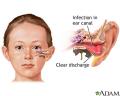
Swimmer's ear

Swimmer's ear

My daughter swims year round and has recently been getting ear infections. Can they be prevented?
- Jovana

Swimmer's ear, or external otitis, is a common childhood infection that occurs in children who swim or dive for long periods of time. The good news is that outer ear infections can often be prevented.
For starters, your daughter should avoid putting objects like ear plugs and cotton balls into her ears unless otherwise directed by her doctor. She should also avoid cleaning her ears with cotton swabs or sharp materials (like bobby pins), which could scratch the skin and allow bacteria or fungi to enter. Talk to your daughter's doctor about using acid alcohol drops like SwimEar at the end of a swim to prevent infection.
Swimmer's ear can be treated with antibiotics. Your daughter's doctor will probably recommend that she stay out of the pool while she's recovering.

Saturday, April 01, 2006

Protect Your Ears From The iPod

You may recall Colleen Huber's awesome piece last fall about all the things that conspire to impair our hearing, including the iPod, along with the rise among younger folks in noise-induced hearing loss. Apparently, Apple Computer agrees...

Facing consumer complaints and a lawsuit, Apple's latest software update (released Wednesday for users who own an iPod Nano or video iPod) addresses the problem, allowing users to set limits on how loud their iPods can be.

Perhaps, a better solution, according to one expert, would to be to ship iPods with pre-set lower maximum volumes, and require consumers to sign releases before giving them a code to unlock the software controls.

Besides turning down the volume of your iPod or any other MP3 player you own, it may also be wise, says on expert, to invest in a better set of earphones that let you hear more of the music or words without cranking up the volume.

Just a reminder, I'm no fan of the iPod and was seriously disappointed in the way Apple manages digital rights and categorizes their content. My favorite MP3 player is the Cowon iAudio X5, with better video playback features than the iPod and it's cheaper too.

Yahoo News March 29, 2006
ZDNet March 30, 2006
more info at: www.dreddyclinic.com

Friday, January 06, 2006

dreddyclinic.com - Parasites Cleanse

dreddyclinic.com - Parasites Cleanse: Health and Parasites

In the world today so many people are sick from diseases that modern medicine does not seem to cure. Is it normal to have low energy, skin rashes, painful joints and bones? How many people around the globe are on medication with little or no change in their health?

Could it be that the medical establishment has forgotten to look for worm and parasite infection in the human body? In recent studies taken at major hospitals over the last ten years, experts in this field have found that well over 95% of all people have parasitic animals living in them.

What is a Parasite?
A parasite is a small microscopic organism that draws energy and food from you. In fact, parasites are incredible food scavengers that literally consume energy from your cells. The single most undiagnosed health challenge today is parasites. There is no living creature on this earth that is not subjected to invasion by parasitic animals of one form or another.

Parasitic Infection
Here are a few signs of parasitic infection: low energy levels, fatigue, pain and fever, acne, skin rashes and hives, hair loss, grinding of teeth, frequent colds, flu’s, loss of appetite, itchy ears, nose and anus, sexual dysfunction in men, slow reflexes in both children and adults, stomach gas, bloating, excess blood in urine or stool, eating more that usual but still feeling hungry, and numb hands or feet. The list is endless for all the things that parasitic infection can cause.

How Do You Kill Parasites?
Do modern drugs kill parasites?
The answer unfortunately, is no. The parasite can live for many years undetected and is always adapting to the medications given to the body.

Integrated Medicine Forum
The parasite is intelligent enough to move to a different location.

Monday, December 12, 2005

Erectile Dysfunction: Solving a Common Problem

by Leonard DeRogatis, Ph.D.
Many men who suffer from erectile dysfunction (ED) experience a quiet catastrophe. They feel that their sex life, as they have known it, is over. They experience a sense of humiliation and loss of manhood. They also feel quite alone with their problem, as though each one of them is the only man on earth with ED.

It turns out that ED is common among men, particularly as they age. A large-scale study called the Massachusetts Male Aging Study showed that the prevalence of moderate to severe ED ranges from 8 percent at age 40 to nearly 50 percent at age 70. Factors such as diabetes, high blood pressure, heart disease, smoking, and high cholesterol all appear to undermine healthy erectile functioning. Even without these factors, erectile functioning can be a problem if testosterone levels are not high enough.

Fortunately, help is already here. Over the past decade, a class of drugs known as PDE5 inhibitors has given us three drugs to treat ED: Viagra, Levitra, and Cialis. All of these drugs have a good record of effectiveness and help 60 percent to 75 percent of men who take them. These drugs also are quite safe. Side effects experienced by most men include facial redness, stuffy nose, headaches, and some heartburn.

If for some reason a man cannot take one of the PDE5s, there are a number of second-line treatments available. Prostaglandin E1 (alprostadil or MUSE), available in a small suppository form, can be inserted in the penile urethra with a special device and has a good track record. A topical cream version of alprostadil is now in late-stage clinical trials. Alprostadil alone or in combination with several other drugs also is available in a form that is injectable directly into the side of the penis. The effectiveness of the injections is quite good; however, there are concerns about side effects such as penile scarring.

Although pharmacological treatments for ED have a very good track record, keep in mind that some causes of ED are psychological or interpersonal in nature. Drugs can help make the penis functional but they can’t fix a dysfunctional marriage or definitively treat a case of performance anxiety. In such cases, a good sex therapist or couples counselor (in many instances the same professional) can often be very helpful in treating the problem.

If you have ED, don’t let yourself feel isolated and alone with your problem. Ask your doctor for help and, if he or she doesn’t feel comfortable treating your problem, ask for a referral to an expert in sexual medicine. There’s a good chance that your problem is easily treatable, so don’t let potential embarrassment stand in the way of a rewarding sex life.


more information abour the products:
http://www.kamarani.com/index.htm?aff=dreddyclinic

Wednesday, December 07, 2005

Feeling lousy? It's the season for cedar fever

San Antonio Express (subscription) - San Antonio,TX,USA

Amy DorsettExpress-News Staff Writer
It's said that life offers only two guarantees: death and taxes. This time of year, South Texans can add another to that list: cedar fever.
Hill Country residents report seeing the beginning traces of the dreaded allergy that leaves a population of itchy, red-rimmed eyes, runny noses and congested heads in its wake.
Brace yourselves and pass the tissues — those who read the tea leaves (in this case ashe juniper trees, commonly known as mountain cedar) warn that this season may be worse than most.
"We've had almost perfect weather for cedar the last few weeks," said Dr. Paul Ratner, an allergist. "What triggers cedar are the cooler temperatures and the north winds, which is what we're having."
Ratner said he was in the Hill Country over the weekend and could already see the beginnings of pollen on the mountain cedars.
"The trees are beginning to change colors and pollinate," he said.
The peak of cedar fever usually begins around mid-December, and sufferers don't get relief until as late as March.
Dr. Dale Mohar, a Kerrville allergist, said now is the time for the afflicted to begin taking prophylactic medications, including prescription nasal steroids, antihistamines and eye drops.
"There's a lot of studies that show that if you pre-treat you do a lot better than if you wait until you're miserable," he said.
Symptoms of cedar fever include itchy eyes, post-nasal drip, sneezing, headaches and fatigue. The allergy doesn't actually cause a fever, but sufferers feel feverish and some experience a flushing sensation.
Dr. Dale Wood, an allergist, said mountain cedar can put people in misery.
"Overall, you just don't feel good," he said. "Sometimes you can't even work. It just wears them down."
Ana Russell, who teaches at a cosmetology school, has suffered from cedar fever for 17 years.
"It drains you; it saps you of your energy," she said Monday, while running errands. "You don't feel bad enough to stay in bed and you don't get much sympathy, but you just feel lousy."
Patricia S. Gerecci, a composition professor at San Antonio College, recently returned to town after years of living in Houston, where she regularly battled ragweed. She's spent time studying holistic medicine and thinks cedar fever is partly due to a compromised immune system that is overloaded by the holidays.
"I believe it's aggravated by stress," she said. "What we perceive to be cedar fever is really Christmas in the air."
Mark Peterson, regional community forester for the Texas Forest Service, said weather conditions this year should benefit mountain cedar trees.
"The dry weather really doesn't impact cedar as much as other plants. They're drought-tolerant, so they'll continue doing well," he said. "So we're not going to catch a break."

When Antibiotics Fail this Winter, Try an Bacteria Chaser

NewsReleaseWire.com (press release) - USA

When Antibiotics Fail This Winter, Try A Bacteria ChaserAlternative Health Expert Warns Of The Damage Antibiotics Wreaks On The Body8 Benefits Of Friendly Bacteria“The use of antibiotics has wreaked havoc with the intestinal ecology of humans,” says alternative health expert Loree Taylor Jordan, CCH, I.D.

As the mother of two, including a boy who suffered from a chronic ear infection that antibiotics failed to cure, Jordan sought the help several years ago of natural healers in the form of acidophilus rebuild her son’s intestinal flora and immune system.

Jordan, the author of Detox For Life, explains how antibiotics throw the body out of balance and actually could do more harm than good. “Under the guise of traditional therapy,” says Jordan, “modern medicine can poison your body even when it is trying to heal it.

Antibiotics, for example, exert a powerful negative influence on intestinal bacteria regardless of whether they are the disease-producing kind, or the health-friendly bacteria essential for good health.”This winter promises to see tens of millions of prescribed usages of antibiotics. Jordan wants to educate people that when using antibiotics frequently the balance of friendly bacteria in the body needed for optimal health and a good digestive system is jeopardized.“


Weight Loss Plan Kit

Weight Loss Plan Kit

$172.80
[ learn more ]

Add to Cart

Includes: Oxy-Powder, Slimirex (180 Count), Weight Loss Secrets Revealed, Ten Super Secrets for Weight Loss


An imbalance may make the body susceptible to such ailments as digestive problems, skin problems, acne, reduced immunity, arthritis, liver and gallbladder problems, failing memory, hypertension, fatigue, and migraine headaches,” says Jordan.

Friendly bacteria benefit the body in many ways, including:
1. Helps eliminate gas problems.
2. Reduces cholesterol.
3. Removes toxic elements that are found in certain foods.
4. Aids in the production of lactase and helps avoid milk allergies.
5. Helps produce vitamins, which help in bone formation and blood clotting.
6. Improves the immune system and stimulates the formation of antibodies.
7. Normalizes bowel movements and stops diarrhea and corrects constipation.
8. Acidifies the colon against food poisoning and produces a volatile fatty acid which, along with other acids, makes it difficult for fungus and yeast to survive.

Jordan, a certified colon hydrotherapist who has helped thousands of people restore their health naturally and safely, concludes: “The truth is, the friendly bacteria in your bowels have some far-reaching effects.You’ve probably never dreamed of these hard-working organisms producing a variety of substances that can prevent cancerous tumors, inactive viruses and produce natural antibodies and vitamins. But they do a great service to your health.”

About Loree Taylor Jordan, CCH, IDMs. Jordan, 50, is a leading expert in the holistic health field. She has 17 years of practical and professional experience as a colon hydrotherapist and holistic health educator. She is also an iridologist who studied with the world-renowned Dr. Bernard Jensen, D.C.M.D. Ms. Jordan's book, Detox For Life, passionately advocates for the regular cleansing of your colon, landing her the moniker, "Colonic Queen." Her book earned an Irwin Award in Los Angeles. She has detailed her personal battles with weight in a new book, Fat & Furious: Overcome Your Body's Resistance To Weight Loss Now!, presenting evidence that being fat may not be your fault and showing you how to seize control of your health. She shares her own personal struggle with sugar addiction, metabolic dysfunction, Syndrome X, and yo-yo dieting.
For more information consult http://www.loreetaylorjordan.com/

Loree Taylor Jordan (loree@loreetaylorjordan.com)Author 111 So. Milton Ave. Campbell, CA 95008 Phone : 408-379-9488 Fax : 408-379-1152


Ten Super Secrets For Weight Loss

Ten Super Secrets For Weight Loss

$9.95
[ learn more ]

Add to Cart

Learn the TOP SECRET Ten Super Secrets for Weight Loss
"When you have a clean body, strong immune system and a balanced pH level,
you have a healthy body, which will prevent, resist and eliminate disease".

ClickComments

Dr. Group's Secret to Health Kit

Dr. Group's Secret to Health Kit

$39.94
[ learn more ]

Add to Cart

Dr. Group's Secret to Health Kit offers simple at-home solutions for cleansing internally and externally thereby reducing toxins, restoring the body's natural healing process, and helping you achieve true health and happiness.