"Health" contributor Dr. Raj on the "Today" show Feb. 13, discussing tips on fighting the flu
by Ross Weale
In the following segment, Roshini Raj, MD, of Health magazine describes flu symptoms and talks about whether you can still get that shot.
DR. ROSHINI RAJ
Roshini Raj, MD, a Health magazine contributor and part of the magazine's Health Expert Network, is board-certified in gastroenterology and internal medicine with degrees from the New York University School of Medicine and Harvard University. Currently Dr. Raj is an attending physician at NYU Medical Center's Tisch Hospital in New York City. She also serves as an assistant professor at the NYU School of Medicine, and she has a special interest in women's health and cancer screening. She has also published several research articles on colon-cancer screening.
Dr. Raj has discussed health topics on numerous television outlets including NBC's Today show, ABC's Good Morning America, CNN, FOX News, and Discovery Health. She has been quoted in publications such as the New York Times, the Wall Street Journal, Men's Health, Women's Health, and Fitness on the state of health care and other health news of the day. Dr. Raj is often called upon to explain and demystify complicated health topics.
more discussion: Forum· Addiction Forum · Ask the Doctors Forum · Ayurveda Forum · Ayurvedic & Thai Herbs Forum · Colon Cleansing Forum · Dental Forum · Diabetes Forum · Diet Forum · General Cleansing Forum · Hepatitis A, B. C Forum · Integrated Medicine Forum · Live Blood Analysis Forum · Ozone-Oxygen-Forum · pH - Alkaline - Acidity Forum · Weight Loss Forum
Showing posts with label Flu Symptoms. Show all posts
Showing posts with label Flu Symptoms. Show all posts
Monday, April 07, 2008


Saturday, August 04, 2007
Scientists Probe How HIV Infection Turns Into AIDS
 (HealthDay News) -- The common scientific wisdom on how HIV infection proceeds to full-blown AIDS might be wrong, two U.S. researchers say.
They hope that their new insights, if proven, will lead to exciting new treatment targets down the line.
Working from a complex mathematical model of viral replication and immune cell death, the researchers now suspect that AIDS begins when one especially fast-killing strain of HIV gains the upper hand over a less-lethal, but more prolific, strain.
"This throws into question a lot of the notions that have been accepted about the evolution of the virus" within a typical infected human, explained study co-author Dominik Wodarz, associate professor of biology at the University of California, Irvine.
He and another researcher, David Levy, of New York University, published their findings in the July 31 issue of the Proceedings of the Royal Society B.
Since its first recorded appearance nearly three decades ago, HIV infection has followed the same deadly path: a short, weeks-long period of acute flu-like symptoms followed by years of asymptomatic dormancy, and then symptoms of immune system breakdown that herald the emergence of AIDS.
But what is it that tips asymptomatic, low-level infection into AIDS?
The common dogma among scientists has long been that various strains of HIV battle a silent war within the body over time until the fittest -- defined as the strain that reproduces itself the most -- wins. That strain then goes on to overwhelm the body's immune cells and destroy the host's defenses against disease.
To test that theory, Wodarz and Levy constructed a complex mathematical model that took into account two factors about HIV: how fast the various strains replicate and how fast they kill cells (not always the same thing, the researchers noted). They also factored in human immune system responses to HIV.
What the two scientists found surprised them. According to the new model, AIDS actually begins when a less fit variety of HIV wins the day. This strain kills immune system cells extremely widely and quickly, but, in doing so, also limits the number of copies of itself it can produce. "It basically kills its own habitat, its house," Wodarz explained.
However, because this form of HIV is very good at quickly killing large numbers of immune cells, "once these less-fit strains emerge, they can plunge the patient into AIDS," Wodarz said.
In many cases, two or more strains of the virus can co-infect the same immune system cell, he added. If a fast-killing variety is one of those strains, it kills the cell before slower -- but better-replicating -- versions can go to work making millions of new viral particles.
"But without this ganging up on the same cell, the killer virus [that leads to AIDS] would go extinct, because evolution would select against it -- because it is less fit and replicates less," Wodarz explained.
That means that -- according to the model -- one way of keeping AIDS at bay might be to make sure that only one type of HIV invades a cell at any given time.
Specific cellular mechanisms do allow a second or third viral particle to enter a cell, and a medicine that thwarted these "party crashers" might keep the deadliest form of HIV from ever emerging, Wodarz speculated.
He pointed to wild monkeys that are infected throughout their lives with HIV-like simian immunodeficiency virus (SIV) but never get sick.
"Some of them have a lot of the virus, and it evolves a lot, but it does not cause AIDS, ever," Wodarz said. He suspects the monkey's immune cells may have evolved to block secondary viral entry and thereby keep the most dangerous strain of SIV at bay.
Not everyone is convinced by the new model, however.
Dr. Benigno Rodriguez is assistant professor of medicine at Case Western Reserve University in Cleveland, and a specialist in the evolution of HIV disease. He called Wodarz and Levy's paper "an interesting concept," but said it contained a few significant flaws.
First of all, he said, most of the available data suggests that HIV does get better at forming copies of itself as AIDS progresses. And Rodriguez believes the two scientists have left another important factor out of their model -- the fact that most AIDS patients' immune cells are not killed off by the virus directly but are destroyed by so-called "bystander" mechanisms that accompany AIDS.
"In an individual with advanced disease, if you look at the number of cells that are actually infected [with HIV], we are talking less than 1 percent," he said. "But, in reality, that individual may have lost 20, 30, 50 percent of his immune cells."
Rodriguez also questioned the importance of multiple strains of HIV infecting the same immune cell. "The data that we already have in hand shows that multiple infection is relatively infrequent," he said.
The bottom line, according to the Cleveland expert: As with any mathematical model, this one needs to be tested out in the laboratory.
Wodarz agreed that experimental verification is necessary, but he said mathematical disease models more often than not prove to be right.
In fact, he said, it was just such a model that led scientists to discover that HIV never stops evolving in the body -- even during infection's years-long asymptomatic phase.
"In HIV, mathematical models have led to great progress before," Wodarz said.
More information
To find out more about HIV/AIDS, head to the U.S. National Institute of Allergy and Infectious Disease.
Monday, September 11, 2006
Children's Health
 Children's Health
In this section many common questions related to children’s health are explored.
Contrary to popular belief, children are not "little adults," and the approaches to their health conditions are often markedly different than those used for grown-ups.
The rapid changes that occur during growth and development require special consideration in choosing both treatments and medications.
In some cases, specific treatments have not been well studied in children, but the majority of childhood health concerns are those that parents have been asking about for many generations, and the solutions are tried and true. Information on other childhood conditions can be found in the QA archives.
- Acupuncture
- Attention Deficit Disorder
- Asthma from Exercise
- Bedwetting
- Broken Bones
- Carsickness
- Colicky Babies
- Constipation
- Ear Infections
- Early Puberty
- Fluoride
- Food Coloring
- Head Lice
- Overweight Kids
- Sore Throat
- Teething
- Toy Safety
- Vitamins
Acupuncture
In the United States, acupuncture hasn’t often been used to treat children, mainly because youngsters tend to be afraid of needles.
But several recent studies have suggested that this fear can be overcome and that children can benefit from acupuncture treatment for certain conditions.
The latest study on this subject was conducted at the Harvard-affiliated Children’s Hospital in Boston by Yuan-Chi Lin, MD, an anesthesiologist who specializes in pain management in children. Dr. Lin’s study included 243 youngsters ranging in age from six months to 18 years who were being treated for headaches, stomachaches, back pain and other chronic complaints that often caused them to miss school.
When the study began, the young patients rated their pain as an "8" on a scale of 1 to 10. (One of Dr. Lin’s methods of demonstrating to the kids that the needles won’t hurt is by inserting them first in the children’s parents.)
When the year-long study was over, the average pain rating among the youngsters was a "3." The kids also reported missing less school, sleeping better, and being more able to participate in extracurricular activities as a result of treatment.
In an earlier study at the same hospital, 70 percent of the 47 youngsters participating reported that acupuncture helped relieve their pain and 59 percent of their parents agreed.
The conditions for which these patients were treated included migraines, endometriosis in teenage girls, and reflex sympathetic dystrophy (a syndrome in which pain becomes chronic after an injury).
In this study, 15 children were age 12 or under while 32 were between 13 and 20 years old. Other studies have looked at acupuncture as a treatment for attention deficit hyperactivity disorder and cerebral palsy in children.
While not many acupuncturists specialize in treating children, Dr. Lin estimates that about a third of pediatric pain centers nationwide now offer acupuncture to their young patients.
Acupuncture is best used for pain reduction as part of comprehensive treatment that includes relaxation techniques, clinical hypnosis and various forms of bodywork.
Attention Deficit Disorder
Ritalin, a stimulant, remains the most common treatment for Attention Deficit Disorder (ADD), also called Attention Deficit Hyperactivity Disorder (ADHD). Paradoxically, with ADHD the drug has a calming effect, apparently because it stimulates parts of the brain that regulate activity and attention.
While it can have excellent results in some cases, it is greatly over-prescribed.
There currently is no herbal treatment for ADHD, except possibly coffee, which may work like Ritalin for some patients.
Pediatrician Sandy Newmark, M.D., of Tucson, Ariz., confirms that no herbs have been found effective for treating the main or "core" symptoms of ADHD — that is, lack of focused attention that often leads to poor school performance. And he doesn’t think coffee is a good long-term solution. However, Dr. Newmark notes that herbs can help with some of the associated symptoms. For example, valerian tea can help youngsters with sleeping problems and St. John's wort can help relieve depression. For children under 12, use half the adult dosage.
Dr. Newmark does recommend a dietary supplement, omega-3 fatty acids, for all children with ADHD because levels of omega-3s in the plasma and red blood cells of children with ADHD are lower than in normal children. He also recommends that youngsters with ADHD take a quality multivitamin as well as a good probiotic, a product that contains "friendly" bacteria that can stabilize the digestive tract. You can find milk-free brands in health-food stores.
Make certain that the underlying cause of your child’s disruptive behavior really is ADHD, and that he or she isn’t acting out difficulties at home or expressing frustration with a learning disability. Be sure to rule out hearing or vision problems, allergies, depression or even boredom in a gifted child.
As far as foods are concerned, while there’s no evidence that a dietary approach helps in all cases, a 1993 Cornell University study found that eliminating dairy products, wheat, corn, yeast, soy, citrus, eggs, chocolate, peanuts, artificial colors and preservatives seemed to decrease ADHD symptoms. An even earlier study showed that a low-allergen diet supplemented with calcium, magnesium, zinc and vitamins produced favorable results.
Asthma from Exercise
Exercise can trigger asthma symptoms in children and adults – even those who don't otherwise suffer from the condition - and can aggravate the problem in up to 80 percent of those who do have asthma.
The symptoms – coughing, wheezing, shortness of breath or tightness in the chest – usually come on after exercise, although they can occur soon after exercise has begun. It can be treated with medication and by taking precautions to prevent or minimize symptoms. Here’s a rundown of medication options, provided by pediatrician John Mark, MD, an assistant professor of pediatrics at the University of Arizona who treats asthma in both adults and children.
Albuterol – A short-acting bronchodilator that’s inhaled 15 to 20 minutes prior to exercise and that protects against symptoms for about four to six hours.
Salmeterol – A long-acting bronchodilator that’s inhaled twice a day which offers protection for up to 12 hours. You can also use salmeterol as a preventive before you work out.
Montelukast (Singulair) – A drug that blocks the action of leukotrienes in the lungs, resulting in less constriction of bronchial tissue and less inflammation. Leukotrienes are one of several classes of chemical messengers produced in the body that can trigger bronchial constriction and inflammation. Montelukast is available in pill form and is taken the night before you exercise.
Cromolyn (Intal) – An anti-inflammatory drug inhaled 15 to 20 minutes before exercising that prevents the release of histamines and leukotrienes. It’s most useful in asthma when an allergic component is present.
In addition to medication, the following approaches can help prevent or minimize symptoms:
A very slow warmup. Even to the point that your child reports the beginning feelings of the "tightness" associated with exercise-induced asthma.
Then your child should stop and stretch, or slow down if exercising vigorously. By taking this break, the development of asthmatic symptoms can often be blocked and a normal pace can be resumed. This may take some getting used to, but can sometimes eliminate the need for medication.
Try breath work. The most effective approaches are pranayama techniques – breath control exercises taught in some yoga classes for adults. You can have your child do these after the initial warm-up, again, when the symptoms are almost felt. For most children, you can start with Dr. Weil’s technique for "The Relaxing Breath."
Find a form of physical activity that minimizes exercise-induced symptoms. Sports or activities that have intermittent rest periods (such as tennis, softball and golf) can allow your child to regain control of his or her breathing. Swimming may be better than running outdoors in cold weather, but no type of exercise is off-limits with proper treatment. In fact, some of the world’s top athletes have exercise-induced asthma, and they’re still able to compete successfully in Olympic-level events.
Bedwetting
Although by age 8 most youngsters have outgrown bedwetting, a sizeable minority still haven’t. As a matter of fact, 5 to 10 percent of boys still have enuresis (the medical term for bedwetting) by age 10. Enuresis tends to run in families and, when this is the case, children usually outgrow it at the same age as the parent, sibling or other relative who had the problem did.
No one knows what causes bedwetting, although it is sometimes associated with constipation. If so, simple dietary changes such as eating more fruits and vegetables and drinking more water early in the day can help resolve matters. Pediatrician Sandy Newmark, MD, of Tucson, Ariz., suggests making sure that children aren’t drinking any beverages that contain caffeine (such as some sodas) and trying to limit (within reason) the amount of fluids they drink in the evening.
Dr. Newmark explains that an "enuresis alarm" is the most simple and effective intervention for youngsters. This device is a wristwatch with a sensor that is attached to pajamas so that the alarm sounds at the first sign of wetness.
This system eventually conditions a child to wake when the bladder is full. Dr. Newmark says that the alarms work in about 70 to 80 percent of children. They are available at most drugstores and cost about $50. Be patient with this system since it can take weeks, and sometimes months, to see results.
If the alarm doesn’t help, Dr. Newmark suggests trying hypnosis as a safe and effective treatment. While some pediatricians prescribe drugs for children who wet the bed, using medication is controversial and should be viewed as a last resort. Homeopathic remedies also may be effective; consult a homeopathic practitioner if you want to try this approach.
Broken Bones
Results of a recent study at the Mayo Clinic in Rochester, Minn., suggest that the rate of wrist and forearm fractures among young girls has increased dramatically in the last 30 years. The study results, published in the Sept. 17, 2003, issue of the Journal of the American Medical Association showed that the fracture rate for young girls increased 56 percent from 1969-1971 and 1999-2001.
Boys still suffer more fractures, but the rate of increase among young boys was only 32 percent. Overall, the Mayo Clinic researchers found that the fracture rate among young people had increased 42 percent over three decades.
The researchers had no answers for why this is happening. It is unlikely that youngsters are breaking more bones because they’ve become more physically active. One possibility is that kids may not be getting enough calcium during a period when their bones are growing rapidly.
If so, their bones may never become as dense as they should, which raises the possibility that affected youngsters may be more vulnerable later in life to osteoporosis and hip and vertebral fractures.
The researchers noted that government surveys have shown a decrease in milk consumption among older girls and an increase in consumption of carbonated drinks. The phosphates in carbonated beverages interfere with calcium absorption.
The RDA for calcium is 1,300 mg for young people age 9 to 18. This translates to 4-5 servings of dairy per day, but kids don’t have to drink milk to get their calcium. Other good sources include yogurt, cheese, sea vegetables, collard and mustard greens, kale, bok choy, broccoli, canned salmon and sardines, tofu that has been coagulated with a calcium compound, calcium-fortified soy milk, fruit juice and blackstrap molasses.
Other experts have noted instances of vitamin D deficiency that could contribute to weakened bones. Our bodies make vitamin D with exposure to sunlight, and youngsters who spend too much time indoors may not produce optimal amounts of vitamin D. Spending 10 minutes in the sun without sunscreen a few days each week will do the trick, but it is not a bad idea for kids 12 and older to take a multivitamin supplement that includes 400 IU of vitamin D.
Carsickness
Carsickness, like all types of motion sickness, occurs when the brain receives conflicting signals from the inner ears, eyes, and other parts of the body that sense motion. A child sitting in the back seat of a car may sense movement – her inner ear perceives the motion – but she may not be able to see out the window to see that she is moving. At the same time, her perception is that her body isn’t moving at all. In some children, these conflicting messages can result in very distressing nausea.
One effective remedy for motion sickness comes from an old Chinese fisherman’s remedy of stimulating the acupressure points that control nausea. The updated version of this treatment is done with wristbands equipped with a plastic peg that presses on acupressure points on the inner surfaces of the wrists. The wristbands are available at most drug and health-food stores. Follow package directions carefully – proper placement of the wristbands is critical.
Motion sickness can also be prevented (and treated) with ginger. Mix a half teaspoon of ginger powder in a glass of water and give it to your child 20 minutes before you get in the car. Or give your child two capsules of powdered ginger.
This remedy has proved more effective than Dramamine – with none of the drowsiness that can occur as a side effect of the drug. Ginger snaps, ginger ale and candied ginger can all help with mild nausea, so keep some in the car should someone develop symptoms during the trip. You also could explore homeopathic remedies – and possibly hypnosis – as a long-term solution.
The American Academy of Pediatrics suggests trying to deal with carsickness in children by focusing youngsters’ attention away from their queasiness. Listen to the radio or tapes, sing or talk. Also, direct their attention at things outside the car, not at books or games. Make sure that they look out the front windows, where apparent motion of objects is less.
Colicky Babies
First, exclude other reasons for the baby’s crying. Make sure the infant isn’t running a fever, isn’t lethargic, is eating normally and isn’t having any trouble breathing. Your pediatrician will also want to exclude GERD (gastroesophageal reflux disease), which can occur among babies (although it is much more common among adults).
The good news about colic is that what you see is what you get – a fussy, crying but otherwise perfectly healthy baby. Some doctors think that this irritating phase may be part of normal development. Between 5 and 28 percent of infants develop colic between when they are two to six weeks old, and usually outgrow it by the time they’re three to four months old.
Here are Dr. Russell Greenfield’s suggestions for dealing with colic – and with the frustration it can breed among parents:
- Try massage therapy, a great way to enhance bonding between parent and child at a time when colic may be interfering with the bonding process.
- Rock your baby rhythmically.
- Turn on music or try the clothes dryer or vacuum cleaner. Sometimes the white noise they produce helps.
- Try cranial osteopathy or homeopathy; both may help and are safe forms of treatment.
- Try herbal remedies such as cooled chamomile or fennel tea. You can get tea bags at the health food store and give the baby one to two ounces at a time, no more than three to four ounces per day.
- Switch to a cow’s milk-free formula, or, if breast feeding, change the mother’s diet to affect what is entering her breast milk (in some cases, a food sensitivity may play a role).
Swaddle your baby – it provides a nice snug feeling. - Chill – find a way to relax; try breathing exercises or other relaxation techniques to lower your frustration level.
By the way, the latest international report on colic comes from a Canadian study that found that mothers don’t appear to sustain any lasting psychological effects as a result of dealing with a colicky infant.
Constipation
Constipation is a common problem for children and usually is temporary. Strictly speaking, a child is constipated if he or she has fewer than three bowel movements per week or if the stools are hard, dry, and unusually large or difficult to pass. Because constipation can make bowel movements painful, youngsters may try to avoid having them. (In addition, about 60 percent of constipated children experience recurrent abdominal pain, a common stress-related condition in youngsters.)
The causes of constipation in kids usually are simple and relatively easy to correct: not enough fiber in their diets, not drinking enough liquids or not getting enough exercise. Then, too, constipation can occur when youngsters ignore the urge to have a bowel movement, which they can do for reasons ranging from not wanting to take a break from playing to embarrassment at using a public bathroom or because a parent isn’t around to help when the urge occurs.
Medication can also be a factor. Those that can cause constipation include aspirin and codeine, vitamins with high doses of iron, the bismuth in Pepto-Bismol, as well as some chemotherapy agents (vincristine) and some psychiatric drugs (imipramine).
Sandy Newmark, MD, a pediatrician at the University of Arizona Program in Integrative Medicine, recommends the best ways to deal with constipation in young children, listed here:
Decrease dairy products: They can be constipating. Provide your child with an alternative source of calcium such as soy milk fortified with calcium or a calcium-fortified breakfast cereal.
Increase fluids: Encourage your child to drink lots of water.
Increase fiber: Give your child lots of high-fiber fruits and vegetables as well as high-fiber cereals, whole-grain breads and beans.
Although these measures probably will do the trick, if a child’s episodes of constipation last longer than three weeks and prevent him or her from participating in normal activities, you might want to consult a pediatrician. Don’t be tempted to administer the over-the-counter laxatives designed for children. They can be dangerous to youngsters and should be given only under the direction of a pediatrician.
Ear Infections
Recurrent ear infections can be troublesome during early childhood. Here are two strategies:
Eliminate milk and milk products from your child’s diet for at least two months. This means avoiding all dairy products as well as other foods containing milk in any form. Soy, rice, and nut milks such as almond milk are all right. The protein in milk, casein, is often associated with recurrent ear infections in early life as well as with sinus conditions, eczema, chronic bronchitis, and asthma.
Try cranial osteopathy. It is another good treatment for recurrent ear infections. When performed by a skilled practitioner, this technique can often end cycles of ear infections, sometimes with a single treatment.
The late Bob Fulford, D.O., a leading practitioner of cranial osteopathy, had great success curing recurring infections in young children. He believed that fluid stagnation in the middle ear – caused by restricted breathing – was at the root of the trouble.
Gentle manual manipulation (and sometimes application of a vibrating instrument known as a percussion hammer) opens up breathing, which in turn helps fluid drain from the middle ear. To find a practitioner of cranial osteopathy, send a self-addressed stamped envelope to the Cranial Academy, 8202 Clearvista Parkway, #9D, Indianapolis IN 46256. At the University of Arizona, researchers are now concluding a study funded by the National Institutes of Health's National Center for Complementary and Alternative Medicine on the use of both cranial therapy and Echinacea to break cycles of recurrent childhood ear infections.
Early Puberty
In the United States, there's a virtual epidemic of precocious puberty these days – the onset of puberty at very young ages in both boys and girls. Among Caucasian girls today, 1 in 7 starts to develop breasts or pubic hair before she is 8 years old. Among African-American girls, the number is 1 out of 2! Unfortunately, no one knows why this is happening, although there's plenty of speculation. Precocious puberty can be triggered by tumors in the pituitary gland, hypothalamus, ovaries, or testicles, but these cases are rare. Environmental factors are more likely to blame for the upsurge in cases today. The theory with the most scientific support is that obesity is responsible. I think this may be true, since we've long known that overweight girls mature physically earlier than thin ones.
Research also has suggested that environmental pollution may play a small role. In the spring of 2000, results of a study reported in the Journal of Pediatrics showed that boys exposed to DDE (a breakdown product of DDT) were heavier than their peers, while girls exposed to PCBs were heavier than their peers and tended to reach puberty a bit sooner, even though the actual numbers involved in the study were not deemed statistically significant. (Both DDT and PCBs are chemicals that appear to interfere with the body's own hormones.) Researchers are also looking at other environmental chemicals – among them Bisphenol A (BPA), used in manufacturing plastic – but so far haven't found a definitive link.
Unfortunately, there's not a lot to offer in terms of treatment and no natural remedy that I can suggest. Since it's occurring so often these days, some physicians believe that precocious puberty in girls between the ages of 6 and 8 should be seen as normal and not treated at all. (We do know that the risk of breast cancer later in life increases with an earlier onset of puberty.) The only approved allopathic treatments are two drugs: Gonadotropin-Releasing Hormone, GnRH, and Luteinizing Hormone-Releasing Hormone, LHRH, both given by daily injections or at intervals of every three to four weeks. These drugs interfere with the hormonal changes responsible for precocious puberty, in effect putting them on "hold" until the child reaches a more appropriate age (typically between the ages of 11 and 13 in girls). The drugs may also reverse the changes that already have taken place.
The physical changes are only one aspect of what girls must contend with as a result of precocious puberty. Because they look like young women, they're often treated as if they were much older than they are by boys (or men who should know better) and may also be teased by friends and at school. If you are a parent with a child in the midst of precocious puberty, you must keep the parent-child lines of communication open. Make sure that your child understands that despite the change in her appearance, he or she is still a child.
Fluoride
The only children who need fluoride supplements of any type are those who live in communities without fluoridated water supplies or in homes with water purifiers that remove minerals. The easiest, most efficient and most cost-effective means of making sure that children have adequate fluoride to protect against tooth decay is to support fluoridation of your area's water supply.
If your community's water is not fluoridated, your child will need dietary fluoride supplements which are available only by prescription from your dentist or physician. To protect against tooth decay, children need fluoride on a daily basis from the age of 6 months to 16 years. (Pregnant women take fluoride supplements beginning in the sixth month of gestation to ensure strong tooth development in the fetus – check with your obstetrician about this.) The correct dosage for your child must be calculated on the basis of the natural fluoride concentration of your local drinking water as well as your child's age, and the extent of his or her exposure (if any) to other sources of fluoride, such as toothpaste or commercial products.
Some fluoride is present in all water sources, but according to the American Dental Association, most bottled waters don't contain enough to prevent tooth decay. Fluoridation of community water supplies involves adjusting the fluoride content to the optimal level for dental health, 0.7 to 1.2 parts fluoride per million parts water. Too much fluoride can be bad for children's teeth, just as too little is bad. An excess of fluoride can lead to mottled, chalky, white spots on the teeth. Other health risks include weight loss, brittle bones, anemia and weakness. Be aware that there are conflicting reports that continue to fuel the controversy over fluoridation. Yet at proper levels, fluoride is of immeasurable benefit to the teeth – during childhood and throughout life.
Food Coloring
We are seeing more and more strangely colored foods and snacks, but as a precaution, keep children – and adults – away from foods with artificial colorings. The danger is that the chemicals used to create color are energetic molecules, many of which are capable of interacting with and damaging DNA. Anything that damages DNA can injure the immune system, accelerate aging, and increase the risk of cancer. Indeed, many synthetic food dyes once considered safe have turned out to be carcinogenic. Some approved for use in Europe are considered unsafe in the United States, and vice versa.
Dyes are added to foods for the convenience of the manufacturer, not for the health of the consumer. Luckily, these are among the easiest types of food additives to avoid. Try to convey to your children that garishly colored snack foods are weird and unhealthy – rather than attractive – and make it a rule not to buy them. Watch out for labels that list any of the following terms: "color added," "artificial color added," "U.S.-certified color added," or "FD&C red No. 3" (or green or blue or yellow followed by any number; these are FDA-approved food drug and cosmetic dyes).
There is nothing wrong with foods dyed with natural colors obtained from plants. The most common, annatto, is from the reddish seed of a tropical tree. It is widely used in Latin American cooking to make yellow rice and breads, and is also commonly added to butter and cheese to make them yellow or orange. Other safe food colorings are a red pigment obtained from beets, a green one from chlorella (freshwater algae), caramel, and carotene from carrots.
Definitely keep your kids away from bright green ketchup, a product designed specifically to appeal to youngsters.
Head Lice
Head lice are a common nuisance of childhood. Kids pick them up from someone who already has them by wearing each other’s hats, scarves, hair ribbons and other clothes; sharing combs, brushes or towels; or lying on a bed, couch, pillow or even cuddling a stuffed animal that belongs to a child who has lice. Try to discourage this kind of sharing, particularly if you hear that there’s an infestation at school, at a day care center, or wherever your children spend time.
The conventional treatment is one-percent lindane, sold as Kwell lotion. Yet lindane is a cousin of DDT and can harm the nervous system. Natural and safer alternatives include one-percent permethrin cream rinse, sold as Nix and Neem, which is derived from a tree in India. Lice can develop resistance to permethrin products, and they can aggravate asthma in some children, but both are relatively nontoxic. (Neem is sold in garden shops.)
Some California school systems are using a new product called Lice B Gone, a non-toxic, multi-enzyme shampoo made from plant sources that seems to get rid of lice in a single application. It works by softening the glue that holds the nits (lice eggs) to the hair shaft and also dissolves the exoskeletons of adult lice. Since it contains no pesticides, Lice B Gone is considered safe for pregnant women, nursing mothers, young children and people with asthma.
Overweight Kids
You'll probably be happy to hear that not all children who are heavy grow up to be overweight adults. However, we do have an epidemic of childhood obesity in the U.S., and all parents should be aware that for every year that a child remains overweight, his or her chances of growing into an overweight adult increase.
Aside from eliminating sodas or junk food at home, look to physical activity as a way to help your child lose weight. Try for at least half an hour of physical activity each day. Unfortunately, only 25 percent of school-aged children now take physical education classes. If your child doesn't get any exercise at school, it's up to you to make sure he or she does some type of physical activity at home.
Here are some approaches to add exercise to your child's life as well as foods that will help control his or her weight:
Curb screen time. Limit the time your child spends watching television, sitting at the computer or playing video games.
Set a good example. Studies have found that children are more likely to be physically active if their parents and siblings are active, and if they're encouraged to take part in physical activities. Take family walks, hikes or bike rides on a daily basis, if possible.
Emphasize nutritious foods. Don't limit the amount your child eats, but make sure the foods he does eat are low in fat and high in fiber. When making these changes, say that you're doing it for the entire family to avoid drawing attention to your child's need to lose weight.
Eat meals together. Family breakfasts and dinners give you more control over what your child eats and allow you to make sure that everyone gets at least two nutritious meals per day.
Think about drinks. Cut back on fruit juices, sodas and whole milk. Drinks can provide a surprisingly large number of calories per day.
Teach a relaxation technique. If your child eats in response to stress, you might show him how a relaxation technique such as deep breathing can help to calm him.
Sore Throat
The most important thing parents can do when children develop sore throats is to make sure that the problem isn’t strep, a bacterial infection that requires antibiotic treatment. Strep is diagnosed via a throat culture. (Or a rapid strep test, which takes only 10 minutes but is not as accurate.) While the results may not be available for a few days, a doctor often can tell on the basis of observation whether strep is the likely problem and begin immediate treatment with penicillin. The sore throat usually eases in 24 to 48 hours.
Besides a very sore throat, symptoms of strep often include fever, swollen and tender lymph glands under the jaw, and a swollen and marked redness at the back of the throat that may have white dots. Those symptoms don’t always mean strep, but they often do. (Another clue: suspect strep when there are none of the typical symptoms of a viral infection such as a cough, runny nose, hoarseness and eye irritation.)
It is very important to treat strep throat with antibiotics as soon as possible, because in rare cases it can lead to an autoimmune reaction – rheumatic fever – that can affect the joints, heart and kidneys.
To reduce your child’s susceptibility to sore throat, try to build up his or her immune system by administering a course of the Chinese herb astragalus (Astragalus membranaceous) during cold and flu season. You can get astragalus in tincture form or in capsules at the health-food store. Administer one half the adult dose. This herb is safe for regular use.
If your child can gargle, give her a mixture of half hot water and half hydrogen peroxide to use several times a day. Gargling with warm salt water (one-quarter teaspoon salt to one cup of warm water) is also soothing.
Teething
In many infants, the process of teething is painless, causing only some increased drooling and a desire to chew. However, some infants develop tender, swollen gums, may not sleep or eat well, and may run a low fever (under 100 degrees). A fever above 100 degrees or diarrhea suggests problems unrelated to teething.
Here are some recommendations to keep a teething baby comfortable:
Wipe the drool off your baby’s face with a soft cloth (to prevent rashes).
Rub the baby’s gums with a clean finger.
Let your baby chew on a wet washcloth that has been placed in the freezer for 30 minutes (wash it after each use). Alternatively, use a cool spoon or rubber teething ring (take it out of the freezer before it gets so hard that it bruises the tender gums).
Never tie a teething ring around a baby’s neck – it could get caught on something and strangle the child.
Homeopathic teething tablets are a good option. Many parents tell me they have used them successfully to relieve the minor discomforts of teething in their babies.
Toy Safety
Look over the toys you have at home to see if they are age-appropriate for your children. In general, this means making sure they aren't too advanced for the youngest child, but sufficiently sophisticated for the older ones. Homes with infants or toddlers should make sure all toys (and their removable parts) are large enough so they can't be put into a child's mouth and become a choking hazard. (An easy test: A child can choke on any object that fits inside the tube from a roll of toilet paper.)
Parents or grandparents should also be aware that over the last two years toy manufacturers have recalled teethers, rattles, and other products that contain a cancer-causing chemical called diisononyl phthalate (DINP) from the market. Phthalates are used to soften plastics, but high doses have been linked to cancer in mice and rats. The U.S. Consumer Product Safety Commission has said the amounts that might have been ingested by small children are not high enough to pose a risk, but it does make sense to toss any soft plastic rattles and teethers that you’ve had more than a year – that's when most toy manufacturers agreed to phase out use of the additive.
The following guidelines for toy safety are from the American Academy of Pediatrics and the Consumer Products Safety Commission:
Check the surface and edges of wooden toys. Sandpaper sharp corners and splinters.
Don't give hobby kits, such as chemistry sets, to children younger than 12.
Don't permit children to play with adult darts or other hobby or sporting equipment that have sharp points.
Examine all outdoor toys regularly for rust or weak parts that could become hazardous.
Discard all plastic wrappings on toys before they become deadly playthings.
New toys intended for children under age 8 should be free of glass and metal edges.
Toys with long strings or cords may be dangerous around infants and very young children. Never hang toys with long strings, cords, loops, or ribbons in cribs or playpens where children can become entangled.
Keep toys designed for older children out of the hands of little ones.
Vitamins
Yes, children should take vitamins, mostly because so many kids don’t eat enough fruits and vegetables, and because their diets are often full of processed and refined foods. However, vitamin supplements shouldn’t be substitutes for whole foods, especially fruits and vegetables.
Teach children of any age to enjoy healthy food by involving them in its preparation, even if they’re only in the kitchen to observe. In "The Healthy Kitchen," Rosie Daley and I give a number of ideas for recipes and snacks that kids will like. Also, try to discourage your children from eating too much fast food, processed food, sugar and caffeine (in cola and other soft drinks). There’s no harm in the occasional ice cream, pizza or candy bar in the context of a well-balanced diet, but try to encourage snacking on healthier foods – fresh or dried fruit; a small handful of raw, unsalted nuts such as cashews and walnuts; a piece of flavorful, natural cheese; or a piece of dark chocolate.
As far as supplements are concerned, give children a complete antioxidant formula as well as multiminerals. Be sure to keep the vitamins out of the reach of young children – some supplements for kids taste and look like candy and there is a danger of overdosing, especially when supplements contain iron.
Andrew Weil, M.D.–Author of:
Eight Weeks to Optimum Health
Spontaneous Healing
The Natural Mind
The Marriage of the Sun and Moon
Health and Healing
Natural Health, Natural Medicine
From Chocolate to Morphine (with Winifred Rosen)
Sunday, August 13, 2006
Avian Influenza Situation In Indonesia - WHO Update
The Ministry of Health in Indonesia has confirmed the country's 56th case of human infection with the H5N1 avian influenza virus.
The case occurred in a 17-year-old female from Jakarta Province. She developed symptoms on 28 July, was hospitalized on 4 August, and died on 8 August.
An investigation into her source of infection found that pet pigeons were kept inside her home and that several neighboring households maintained flocks of backyard poultry.
Animal health authorities have collected samples from birds in the neighbourhood and these will be tested as part of the continuing investigation. Of the 56 cases confirmed to date in Indonesia, 44 have been fatal.
http://www.who.int/csr/don/2006_08_09/en/index.html
The case occurred in a 17-year-old female from Jakarta Province. She developed symptoms on 28 July, was hospitalized on 4 August, and died on 8 August.
An investigation into her source of infection found that pet pigeons were kept inside her home and that several neighboring households maintained flocks of backyard poultry.
Animal health authorities have collected samples from birds in the neighbourhood and these will be tested as part of the continuing investigation. Of the 56 cases confirmed to date in Indonesia, 44 have been fatal.
http://www.who.int/csr/don/2006_08_09/en/index.html
Avian Flu Situation In China - WHO Update
The Ministry of Health in China has today retrospectively confirmed a human case of H5N1 infection dating back to November 2003.
The case occurred in a 24-year-old member of the military service based in Beijing. The man developed symptoms on 25 November 2003 and was hospitalized with pneumonia in Beijing. His condition deteriorated rapidly and he died of severe respiratory disease on 3 December 2003.
Confirmation of this case marks the earliest known instance of human H5N1 infection in mainland China, and is now the first confirmed case in the present outbreak. Previously, the first confirmed cases were thought to have occurred in Viet Nam in December 2003.
The case was initially reported by several Chinese researchers, affiliated with the military services, in a June 2006 letter to the New England Journal of Medicine. According to that communication, doctors initially suspected the man might have been infected with the SARS virus.
Although WHO declared the SARS outbreak over in July 2003, suspicions were high that the virus might return during the cooler months. Specimens tested for SARS infection prior to the man's death were negative, but the cause of death remained undetermined.
As stated in the published letter, stored specimens from the man subsequently tested positive for H5N1 infection. Successful isolation of the virus from these specimens was also reported. As the man's illness was initially thought to be SARS, no history of possible poultry exposure was taken.
The source of his H5N1 infection remains uncertain, particularly as no poultry outbreaks of H5N1 avian influenza have been reported in Beijing. The Ministry of Health informed WHO that it had been unaware of these tests and their results prior to publication of the research letter.
In line with WHO recommendations, confirmatory testing in a laboratory affiliated with the Ministry of Health was arranged. Following an official request, WHO sent laboratory experts to consult with national experts performing the tests. That joint undertaking, conducted in late July, confirmed the man's infection with the H5N1 virus.
These findings were further reviewed by a panel of experts, which concluded that the man's H5N1 infection was now laboratory confirmed. Prior to this announcement, the first official laboratory-confirmed H5N1 case on the Chinese mainland occurred in Hunan Province in October 2005 and was reported to WHO in mid-November 2005.
The case has been added to the WHO cumulative table of confirmed cases. Retrospective confirmation of the case brings the cumulative total in China to 20. Of these cases, 13 have been fatal. The Ministry of Health has informed WHO of its intention to strengthen communication mechanisms, and to ensure that more of the country's research institutes are integrated into the reporting system.
WHO will be providing support and guidance in these activities, as officially requested.
http://www.who.int/csr/don/2006_08_08/en/index.html
The case occurred in a 24-year-old member of the military service based in Beijing. The man developed symptoms on 25 November 2003 and was hospitalized with pneumonia in Beijing. His condition deteriorated rapidly and he died of severe respiratory disease on 3 December 2003.
Confirmation of this case marks the earliest known instance of human H5N1 infection in mainland China, and is now the first confirmed case in the present outbreak. Previously, the first confirmed cases were thought to have occurred in Viet Nam in December 2003.
The case was initially reported by several Chinese researchers, affiliated with the military services, in a June 2006 letter to the New England Journal of Medicine. According to that communication, doctors initially suspected the man might have been infected with the SARS virus.
Although WHO declared the SARS outbreak over in July 2003, suspicions were high that the virus might return during the cooler months. Specimens tested for SARS infection prior to the man's death were negative, but the cause of death remained undetermined.
As stated in the published letter, stored specimens from the man subsequently tested positive for H5N1 infection. Successful isolation of the virus from these specimens was also reported. As the man's illness was initially thought to be SARS, no history of possible poultry exposure was taken.
The source of his H5N1 infection remains uncertain, particularly as no poultry outbreaks of H5N1 avian influenza have been reported in Beijing. The Ministry of Health informed WHO that it had been unaware of these tests and their results prior to publication of the research letter.
In line with WHO recommendations, confirmatory testing in a laboratory affiliated with the Ministry of Health was arranged. Following an official request, WHO sent laboratory experts to consult with national experts performing the tests. That joint undertaking, conducted in late July, confirmed the man's infection with the H5N1 virus.
These findings were further reviewed by a panel of experts, which concluded that the man's H5N1 infection was now laboratory confirmed. Prior to this announcement, the first official laboratory-confirmed H5N1 case on the Chinese mainland occurred in Hunan Province in October 2005 and was reported to WHO in mid-November 2005.
The case has been added to the WHO cumulative table of confirmed cases. Retrospective confirmation of the case brings the cumulative total in China to 20. Of these cases, 13 have been fatal. The Ministry of Health has informed WHO of its intention to strengthen communication mechanisms, and to ensure that more of the country's research institutes are integrated into the reporting system.
WHO will be providing support and guidance in these activities, as officially requested.
http://www.who.int/csr/don/2006_08_08/en/index.html
Wednesday, August 09, 2006
Novel Immune System Enhancer Strengthens Microbial and Mutagenic Defense
Immunity is one of our body's most important resources. Yet, some of the most devastating diseases can affect this aspect of our health including HIV, cancer, and autoimmune diseases such as rheumatoid arthritis, lupus and multiple sclerosis. Even if we're not subject to any of these chronic conditions, we can become vulnerable to a host of influenza viruses or bacterial infections. It's therefore integrally important to reinforce our immune systems.
Over the last three years some of the top laboratories in the nation have been researching a substance that appears to modulate the immune system in such a way as to make it resistant to pathogenic organisms. After personally communicating with the director of the research team responsible for investigating this new substance, I have concluded that it is one of the most promising agents I've seen. However, before I describe its discovery and how it supports the immune system, I must describe several key aspects of our bodies' immune defenses. One of the ways we can nurture this aspect of health is to enhance the activity of natural killer cells, key players in immunity.
Natural killer cells are lymphocytes, cells present in the blood and lymphatic tissue that are integral to immunity. Natural killer cells bond to viral-invaded cells and release cytotoxins that kill the infected cells. They act similarly on many types of tumor cells. While natural killer cells are an important aspect of immunity, they are not the only aspect. The immune system is a complex tapestry that also relies upon the proper functioning of T-cells.
These cells emerge from the bone marrow in an immature state and must migrate to the thymus gland, where they are programmed to transform into:
1) CD4 helper cells, which orchestrate the immune response by activating other immune cells and stimulating the production of antibodies by the B- cells.
2) CD8 suppressor cells, which suppress killer cells by signaling the termination of an attack. Therefore, if we could find a natural substance that decreases the number of CD8 suppressor cells in relation to the number of CD4 helper cells, we would improve the CD4/CD8 ratio, strengthening the immune system's ability to defend against viral, bacterial, and parasitical invaders. A third aspect of immunity involves immunoglobulin A (IgA).
IgA is the principal immunoglobulin in exocrine secretions. It is important in protecting mucosal surfaces from invasion by pathogenic bacteria and viruses. Its presence in colostrum is thought to be the main reason behind colostrum's anti-infective properties in newborns. While the aforementioned aspects of immunity are important, they are, in a sense, oversimplifying how the immune system works, as it is a complex interplay of many different factors. However, understanding each of the factors I mention above will help explain how the new discovery discussed below has a novel and fascinating effect on the immune system.
Accidental Discovery
The discovery of a unique yeast-derived product called EpiCor™ began when insurance adjusters noticed that employees of a leading manufacturer of animal nutrition products, experienced unusually low sick leave rates and filed significantly fewer claims than employees of similarly sized companies. In fact, while 2004 annual insurance premiums increased an average of 11.2 percent nationally, this company's 2004 premiums didn't increase at all. The owners suspected this low illness rate was due to a fermented yeast culture the company manufactured for production animals since the workers who came in contact with this fermented yeast culture experienced an unusual lack of illnesses.
Consequently, the company commissioned a research group to perform a series of studies investigating EpiCor's effects, its safety and whether it was the agent responsible for the enhanced immunity at the company's production facility plant. Prior to conducting these studies, the research group visited the manufacturing facility and interviewed the employees. They began with the plant manager, who had previously worked at another company for more than 20 years. His wife was an emergency room nurse and often caught viral infections while on the job. While working at the other company, the plant manager and his children contracted 3 to 5 colds or flus per year. However, he had now worked with the fermented yeast product for 9 years and had not had a cold or flu for at least the last 7 years.
His wife and children continued to contract a number of illnesses every year. After hearing similar stories from other members of the production facility staff, the researchers were intrigued. Among the production facility workers, there had been no admissions for any emergency room visits, no incidence of any chronic diseases. In the administrative building, where employees rarely came in contact with the fermented yeast product, there was a greater incidence of colds and flu. There definitely seemed to be a reason to investigate this product.
Background on EpiCor
The ingredient to be investigated was an end product of fermentation of baker's yeast (Saccharomyces cerevisiae). The company has produced this product for 63 years as an additive to animal feed products and they distribute it worldwide. The process used to manufacture the product, while not patented, is a trade secret that other large companies have failed to replicate. Consequently, EpiCor's producer has dominated in the feed marketplace for many years, especially since it wasn't uncommon for animals consuming the animal feed version of EpiCor to have an increased litter size compared to what would normally be expected.
Antioxidant Powerhouse
First, the team of researchers broke down EpiCor's composition to help determine why it might have an immunomodulating effect. In doing this, it was noted that EpiCor had an excellent profile of mono unsaturated and polyunsaturated fatty acids and a small amount of saturated fat. In addition, all of the essential vitamins and minerals were in the product as well as trace elements. Interestingly, they also found it contained compounds known to exert free radical fighting activity such as phytosterols and phenolics including catechins and trans resveratrol. The researchers were surprised to find compounds such as squalene, which is found in sharks and only a very few plant species. Given this profile of substances known to exert antioxidant activity, they decided to subject EpiCor to studies investigating its antioxidant potential.
The first study conducted was designed to determine whether EpiCor could inhibit the formation of radical oxygen species (ROS) in freshly purified human neutrophil cells. They exposed the cells to hydrogen peroxide to induce severe oxidative stress then compared the EpiCor-treated cells to the cells left untreated. They discovered significant reduction of all ROS formation at EpiCor concentrations as low as 1 part per trillion compared to control cells challenged with only hydrogen peroxide. They continued to observe inhibition of ROS formation at concentrations even lower than one part per trillion. This effect didn't stop until they reached a concentration of 0.01 part per trillion. The antioxidant activity of EpiCor (or ORAC activity, as its called in the industry) was actually significantly greater than that of blueberries.
Microbial Studies
Next, the researchers found that EpiCor dramatically reduced the growth of E. Coli bacteria and Candida Tropicalis. At concentrations that continued all the way down to 1 part per billion they noted total inhibition of E. Coli and Candida Tropicalis. It did not, however, inhibit Staphylococcus aureus.
After conducting this study, they concluded that EpiCor may provide protection against infection with coliform bacteria (a common cause of food poisoning) and candida. The study also indicated that EpiCor may support the growth of desirable mucosal flora in the intestinal tract.
Stability and Toxicity Studies
The research team also decided to conduct a study to determine if EpiCor had a sufficient shelf life, an important consideration if it were to be consumed by humans. They first determined that when the product sat at 77 degrees Fahrenheit for 28 days, levels of mold, Salmonella, and Staphylococcus aureus stayed below the acceptable limit. Other tests have shown that it is extremely stable for at least 22 months.
In another study, they asked a leading lab to check for 139 different pesticides. EpiCor was found free of all 139 compounds tested for at the detection limits. They also performed oral toxicity studies in rats. They gave 2,000 mg of EpiCor per kg of body weight to 20 rats—the equivalent to 140 grams administered orally in humans. After 14 days, the animals treated with EpiCor had normal body weights and no deaths occurred during the treatment period. In addition, no gross pathological changes were observed.
In a 90-day toxicity study, they treated 4 groups of rats (40 animals per group) with either 30, 200 or 1,500 mg of EpiCor per kg of body weight. A fourth group served as the control. EpiCor-treated rats did not have an increased rate of mortality, there were no treatment-related clinical symptoms, no significant differences in body weight, nor any pathological changes in any areas examined. In addition, there were no gross pathological lesions found in any organs.
The researchers concluded that EpiCor was well tolerated in daily oral doses up to 1,500 mg for 90 days. (A 90-day rodent study is equivalent to 1.5 years of human consumption in a 70 kg adult male or a 50 kg adult female).
Other tests have shown that EpiCor is not mutagenic and does not have the potential to cause gene mutation. Before delving into human studies they also investigated whether EpiCor is contraindicated in people taking any type of pharmaceutical drug. So they looked at whether it would affect drug-metabolizing enzymes such as Cytochrome P450. They conducted a test called the immortalized human hepatocyte assay, considered the gold standard for inducing drug-metabolizing enzymes. Through this test, they found that EpiCor is not toxic, does not induce the expression or enzymatic activity of cytochrome P450 or other drug metabolizing enzymes and therefore does not interfere in drug metabolism.
Human Studies
They were almost ready to conduct human studies on EpiCor's immunomodulating potential. However, first, they wanted to ensure its safety. For one month, 15 men and women ages 15 – 40 consumed 500 mg of EpiCor in a single daily dose. They measured baseline values 3 days preceding the study's start. Multiple blood samples were taken on day 2 and 28 and additional blood and saliva samples on days 0, 14, 21, 28. EpiCor was well tolerated with no evidence of adverse effects on the immune system nor any clinically relevant changes to any vital signs.
Now that they had determined that EpiCor is safe, non-toxic, non-mutagenic, is not harmful to cells, and is pesticide free, they were ready to begin studying if and how it affects immunity in humans. They compared one group of 10 production employees who are exposed to EpiCor on the job at the facility with another group of 10 gender and aged matched non-production facility employees not exposed to EpiCor.
They analyzed blood samples and what they found was fascinating. The group exposed to EpiCor showed a significant decrease in CD8 suppressor cells, resulting in an improvement in the CD4/CD8 ratio. The CD4/CD8 ratio suggested that these EpiCor-exposed individuals had at least 2 to 3 times the natural killing activity against viruses, bacteria and cancer cells than would normally be expected! This was quite striking to the laboratory. The director called one of the researchers and said, “I've never seen anything like these results before. These people seem virtually immune from contracting almost anything.” The researcher then asked him to go through the results and highlight the ones he thought were significant while the researcher did the same. They did not hold the code as to whose blood samples they were observing. The code was still kept by a scientist at the facility. But when they broke the code they had both 100 percent successfully separated the production from the non-production employees based on their immune profile. One of the other interesting aspects is that natural killer cells in EpiCor-exposed subjects had a much higher killing efficiency of pathogen-infected and abnormal cells despite a significant decrease in the natural killer cells' number. To use an analogy, if we sent out soldiers, we could send out less soldiers because they had become more efficient at doing battle. At the same time, EpiCor-exposed subjects experienced a significant inhibition of interferon gamma production, which indicates that EpiCor has anti-inflammatory abilities. They also found significantly higher levels of total salivary secretory IgA in the EpiCor subjects. The IgA levels were surprisingly high—more than 300 mg per ml. This indicated that the EpiCor subjects had the equivalent of an immunological envelope protecting all the membranes in the eyes, nasal passages, and all the places where pathogenic organisms enter into the system. They also found significantly lower levels of immune complexes and higher levels of glutathione in erythrocytes (red blood cells). Higher levels of immune complexes are responsible for inflammation, and lowering their levels would result in less inflammation and tissue damage. These same immune-modulating effects were seen in the study mentioned earlier in this article, in the 15 subjects treated with EpiCor for 28 days.
Calcium
Signaling Another aspect of the EpiCor studies worth mentioning is known as calcium signaling. Calcium signaling between cells is pivotal to the coordinated response of cells in tissues and organs within the whole body. It is now well established that cells do not behave as selfish entities but rather tend to form "micro-societies" whose proper functioning requires a precise coordination of signals that the cells emit and receive. When these signals are not working properly, this can result in pathological situations that can range from abnormal cell proliferation to cell death. The research has shown that EpiCor can influence calcium signaling, thereby offering a potential explanation for how EpiCor supports immunity and defends against invading pathogens. Additionally, it was determined that EpiCor affects the activity of Nuclear Factor Kappa B (NFK-B). NFK-B plays an important role in inflammation, immunity, autoimmune responses, cell adhesion, cell proliferation, cell development and cell death (apoptosis) because it regulates the expression of genes involved in all these processes. GRAS Status After conducting these studies, an expert panel of toxicologists was assembled to review the data. The panel was chaired by the former director of the division of drugs and environmental toxicology and the human food safety program at the FDA. Other panelists included EPA scientists and the editor of the journal Food and Chemical Toxicology. As a result of the panel review, EpiCor has now received FDA's Generally Recognized as Safe (GRAS) classification.
Conclusion
I have never been so impressed by the effects of a compound as I have been with EpiCor. At this writing, there is one published study depicting the immune modulating aspects of EpiCor (Schauss AG, Vodjani A. Discovery of an edible fermentation product with unusual immune enhancing properties in humans.
FASEB J. 2006;20(4):A143).
Because this information is so new, a majority of studies mentioned in this article are still unpublished. The researchers expect to submit 5 manuscripts to peer reviewed journals within the next six months. Meanwhile, the confirmed safety of EpiCor and its effects on various immune parameters indicate that it is an immune modulating substance par excellence.
Chris Meletis, ND
Dr. Chris D. Meletis is an educator, international author and lecturer. Dr. Meletis has authored 14 books and was awarded the 2003 naturopathic physician of the year by the American Association of Naturopathic Physicians. He has also written over 200 nationally published health and wellness articles. He served as Chief Medical Officer and Dean of Naturopathic Medicine for the National College of Naturopathic Medicine and has participated in starting 16 clinics providing care for uninsured families. His personal mission is "Changing America's Health One Person at a Time." He believes that when people become educated about their health that this is when true wellness is achieved.
>> Read Full Story
Over the last three years some of the top laboratories in the nation have been researching a substance that appears to modulate the immune system in such a way as to make it resistant to pathogenic organisms. After personally communicating with the director of the research team responsible for investigating this new substance, I have concluded that it is one of the most promising agents I've seen. However, before I describe its discovery and how it supports the immune system, I must describe several key aspects of our bodies' immune defenses. One of the ways we can nurture this aspect of health is to enhance the activity of natural killer cells, key players in immunity.
Natural killer cells are lymphocytes, cells present in the blood and lymphatic tissue that are integral to immunity. Natural killer cells bond to viral-invaded cells and release cytotoxins that kill the infected cells. They act similarly on many types of tumor cells. While natural killer cells are an important aspect of immunity, they are not the only aspect. The immune system is a complex tapestry that also relies upon the proper functioning of T-cells.
These cells emerge from the bone marrow in an immature state and must migrate to the thymus gland, where they are programmed to transform into:
1) CD4 helper cells, which orchestrate the immune response by activating other immune cells and stimulating the production of antibodies by the B- cells.
2) CD8 suppressor cells, which suppress killer cells by signaling the termination of an attack. Therefore, if we could find a natural substance that decreases the number of CD8 suppressor cells in relation to the number of CD4 helper cells, we would improve the CD4/CD8 ratio, strengthening the immune system's ability to defend against viral, bacterial, and parasitical invaders. A third aspect of immunity involves immunoglobulin A (IgA).
IgA is the principal immunoglobulin in exocrine secretions. It is important in protecting mucosal surfaces from invasion by pathogenic bacteria and viruses. Its presence in colostrum is thought to be the main reason behind colostrum's anti-infective properties in newborns. While the aforementioned aspects of immunity are important, they are, in a sense, oversimplifying how the immune system works, as it is a complex interplay of many different factors. However, understanding each of the factors I mention above will help explain how the new discovery discussed below has a novel and fascinating effect on the immune system.
Accidental Discovery
The discovery of a unique yeast-derived product called EpiCor™ began when insurance adjusters noticed that employees of a leading manufacturer of animal nutrition products, experienced unusually low sick leave rates and filed significantly fewer claims than employees of similarly sized companies. In fact, while 2004 annual insurance premiums increased an average of 11.2 percent nationally, this company's 2004 premiums didn't increase at all. The owners suspected this low illness rate was due to a fermented yeast culture the company manufactured for production animals since the workers who came in contact with this fermented yeast culture experienced an unusual lack of illnesses.
Consequently, the company commissioned a research group to perform a series of studies investigating EpiCor's effects, its safety and whether it was the agent responsible for the enhanced immunity at the company's production facility plant. Prior to conducting these studies, the research group visited the manufacturing facility and interviewed the employees. They began with the plant manager, who had previously worked at another company for more than 20 years. His wife was an emergency room nurse and often caught viral infections while on the job. While working at the other company, the plant manager and his children contracted 3 to 5 colds or flus per year. However, he had now worked with the fermented yeast product for 9 years and had not had a cold or flu for at least the last 7 years.
His wife and children continued to contract a number of illnesses every year. After hearing similar stories from other members of the production facility staff, the researchers were intrigued. Among the production facility workers, there had been no admissions for any emergency room visits, no incidence of any chronic diseases. In the administrative building, where employees rarely came in contact with the fermented yeast product, there was a greater incidence of colds and flu. There definitely seemed to be a reason to investigate this product.
Background on EpiCor
The ingredient to be investigated was an end product of fermentation of baker's yeast (Saccharomyces cerevisiae). The company has produced this product for 63 years as an additive to animal feed products and they distribute it worldwide. The process used to manufacture the product, while not patented, is a trade secret that other large companies have failed to replicate. Consequently, EpiCor's producer has dominated in the feed marketplace for many years, especially since it wasn't uncommon for animals consuming the animal feed version of EpiCor to have an increased litter size compared to what would normally be expected.
Antioxidant Powerhouse
First, the team of researchers broke down EpiCor's composition to help determine why it might have an immunomodulating effect. In doing this, it was noted that EpiCor had an excellent profile of mono unsaturated and polyunsaturated fatty acids and a small amount of saturated fat. In addition, all of the essential vitamins and minerals were in the product as well as trace elements. Interestingly, they also found it contained compounds known to exert free radical fighting activity such as phytosterols and phenolics including catechins and trans resveratrol. The researchers were surprised to find compounds such as squalene, which is found in sharks and only a very few plant species. Given this profile of substances known to exert antioxidant activity, they decided to subject EpiCor to studies investigating its antioxidant potential.
The first study conducted was designed to determine whether EpiCor could inhibit the formation of radical oxygen species (ROS) in freshly purified human neutrophil cells. They exposed the cells to hydrogen peroxide to induce severe oxidative stress then compared the EpiCor-treated cells to the cells left untreated. They discovered significant reduction of all ROS formation at EpiCor concentrations as low as 1 part per trillion compared to control cells challenged with only hydrogen peroxide. They continued to observe inhibition of ROS formation at concentrations even lower than one part per trillion. This effect didn't stop until they reached a concentration of 0.01 part per trillion. The antioxidant activity of EpiCor (or ORAC activity, as its called in the industry) was actually significantly greater than that of blueberries.
Microbial Studies
Next, the researchers found that EpiCor dramatically reduced the growth of E. Coli bacteria and Candida Tropicalis. At concentrations that continued all the way down to 1 part per billion they noted total inhibition of E. Coli and Candida Tropicalis. It did not, however, inhibit Staphylococcus aureus.
After conducting this study, they concluded that EpiCor may provide protection against infection with coliform bacteria (a common cause of food poisoning) and candida. The study also indicated that EpiCor may support the growth of desirable mucosal flora in the intestinal tract.
Stability and Toxicity Studies
The research team also decided to conduct a study to determine if EpiCor had a sufficient shelf life, an important consideration if it were to be consumed by humans. They first determined that when the product sat at 77 degrees Fahrenheit for 28 days, levels of mold, Salmonella, and Staphylococcus aureus stayed below the acceptable limit. Other tests have shown that it is extremely stable for at least 22 months.
In another study, they asked a leading lab to check for 139 different pesticides. EpiCor was found free of all 139 compounds tested for at the detection limits. They also performed oral toxicity studies in rats. They gave 2,000 mg of EpiCor per kg of body weight to 20 rats—the equivalent to 140 grams administered orally in humans. After 14 days, the animals treated with EpiCor had normal body weights and no deaths occurred during the treatment period. In addition, no gross pathological changes were observed.
In a 90-day toxicity study, they treated 4 groups of rats (40 animals per group) with either 30, 200 or 1,500 mg of EpiCor per kg of body weight. A fourth group served as the control. EpiCor-treated rats did not have an increased rate of mortality, there were no treatment-related clinical symptoms, no significant differences in body weight, nor any pathological changes in any areas examined. In addition, there were no gross pathological lesions found in any organs.
The researchers concluded that EpiCor was well tolerated in daily oral doses up to 1,500 mg for 90 days. (A 90-day rodent study is equivalent to 1.5 years of human consumption in a 70 kg adult male or a 50 kg adult female).
Other tests have shown that EpiCor is not mutagenic and does not have the potential to cause gene mutation. Before delving into human studies they also investigated whether EpiCor is contraindicated in people taking any type of pharmaceutical drug. So they looked at whether it would affect drug-metabolizing enzymes such as Cytochrome P450. They conducted a test called the immortalized human hepatocyte assay, considered the gold standard for inducing drug-metabolizing enzymes. Through this test, they found that EpiCor is not toxic, does not induce the expression or enzymatic activity of cytochrome P450 or other drug metabolizing enzymes and therefore does not interfere in drug metabolism.
Human Studies
They were almost ready to conduct human studies on EpiCor's immunomodulating potential. However, first, they wanted to ensure its safety. For one month, 15 men and women ages 15 – 40 consumed 500 mg of EpiCor in a single daily dose. They measured baseline values 3 days preceding the study's start. Multiple blood samples were taken on day 2 and 28 and additional blood and saliva samples on days 0, 14, 21, 28. EpiCor was well tolerated with no evidence of adverse effects on the immune system nor any clinically relevant changes to any vital signs.
Now that they had determined that EpiCor is safe, non-toxic, non-mutagenic, is not harmful to cells, and is pesticide free, they were ready to begin studying if and how it affects immunity in humans. They compared one group of 10 production employees who are exposed to EpiCor on the job at the facility with another group of 10 gender and aged matched non-production facility employees not exposed to EpiCor.
They analyzed blood samples and what they found was fascinating. The group exposed to EpiCor showed a significant decrease in CD8 suppressor cells, resulting in an improvement in the CD4/CD8 ratio. The CD4/CD8 ratio suggested that these EpiCor-exposed individuals had at least 2 to 3 times the natural killing activity against viruses, bacteria and cancer cells than would normally be expected! This was quite striking to the laboratory. The director called one of the researchers and said, “I've never seen anything like these results before. These people seem virtually immune from contracting almost anything.” The researcher then asked him to go through the results and highlight the ones he thought were significant while the researcher did the same. They did not hold the code as to whose blood samples they were observing. The code was still kept by a scientist at the facility. But when they broke the code they had both 100 percent successfully separated the production from the non-production employees based on their immune profile. One of the other interesting aspects is that natural killer cells in EpiCor-exposed subjects had a much higher killing efficiency of pathogen-infected and abnormal cells despite a significant decrease in the natural killer cells' number. To use an analogy, if we sent out soldiers, we could send out less soldiers because they had become more efficient at doing battle. At the same time, EpiCor-exposed subjects experienced a significant inhibition of interferon gamma production, which indicates that EpiCor has anti-inflammatory abilities. They also found significantly higher levels of total salivary secretory IgA in the EpiCor subjects. The IgA levels were surprisingly high—more than 300 mg per ml. This indicated that the EpiCor subjects had the equivalent of an immunological envelope protecting all the membranes in the eyes, nasal passages, and all the places where pathogenic organisms enter into the system. They also found significantly lower levels of immune complexes and higher levels of glutathione in erythrocytes (red blood cells). Higher levels of immune complexes are responsible for inflammation, and lowering their levels would result in less inflammation and tissue damage. These same immune-modulating effects were seen in the study mentioned earlier in this article, in the 15 subjects treated with EpiCor for 28 days.
Calcium
Signaling Another aspect of the EpiCor studies worth mentioning is known as calcium signaling. Calcium signaling between cells is pivotal to the coordinated response of cells in tissues and organs within the whole body. It is now well established that cells do not behave as selfish entities but rather tend to form "micro-societies" whose proper functioning requires a precise coordination of signals that the cells emit and receive. When these signals are not working properly, this can result in pathological situations that can range from abnormal cell proliferation to cell death. The research has shown that EpiCor can influence calcium signaling, thereby offering a potential explanation for how EpiCor supports immunity and defends against invading pathogens. Additionally, it was determined that EpiCor affects the activity of Nuclear Factor Kappa B (NFK-B). NFK-B plays an important role in inflammation, immunity, autoimmune responses, cell adhesion, cell proliferation, cell development and cell death (apoptosis) because it regulates the expression of genes involved in all these processes. GRAS Status After conducting these studies, an expert panel of toxicologists was assembled to review the data. The panel was chaired by the former director of the division of drugs and environmental toxicology and the human food safety program at the FDA. Other panelists included EPA scientists and the editor of the journal Food and Chemical Toxicology. As a result of the panel review, EpiCor has now received FDA's Generally Recognized as Safe (GRAS) classification.
Conclusion
I have never been so impressed by the effects of a compound as I have been with EpiCor. At this writing, there is one published study depicting the immune modulating aspects of EpiCor (Schauss AG, Vodjani A. Discovery of an edible fermentation product with unusual immune enhancing properties in humans.
FASEB J. 2006;20(4):A143).
Because this information is so new, a majority of studies mentioned in this article are still unpublished. The researchers expect to submit 5 manuscripts to peer reviewed journals within the next six months. Meanwhile, the confirmed safety of EpiCor and its effects on various immune parameters indicate that it is an immune modulating substance par excellence.
Chris Meletis, ND
Dr. Chris D. Meletis is an educator, international author and lecturer. Dr. Meletis has authored 14 books and was awarded the 2003 naturopathic physician of the year by the American Association of Naturopathic Physicians. He has also written over 200 nationally published health and wellness articles. He served as Chief Medical Officer and Dean of Naturopathic Medicine for the National College of Naturopathic Medicine and has participated in starting 16 clinics providing care for uninsured families. His personal mission is "Changing America's Health One Person at a Time." He believes that when people become educated about their health that this is when true wellness is achieved.
>> Read Full Story
Tuesday, July 11, 2006
What's The Difference?
 By Dr. Edward F. Group III, DC, ND, DACBN
Research shows that between 50 percent and 70 percent of people with fibromyalgia also display the symptoms of chronic fatigue. The reverse is also true. Because the symptoms are so similar, the difference between one diagnosis and another often rests in the specialty and education of the diagnosing physician.
Despite their similarities, there are a few documented differences between fibromyalgia and chronic fatigue syndrome. Although the exact cause of either condition is unknown, fibromyalgia is often linked to a previous injury or physical trauma, whereas chronic fatigue syndrome usually begins with the flu or other viral infection. In addition, the severity of symptoms is different in these two conditions. Patients who suffer from fibromyalgia may experience exhaustion, but this is different from the incurable, all-encompassing fatigue of chronic fatigue syndrome.
Similarly, patients with chronic fatigue syndrome may experience widespread pain but not the tender point pain characteristic of fibromyalgia. Researchers have also found that people with fibromyalgia may have a chemical imbalance that disrupts the body's ability to transmit and respond to pain signals.
Until researchers are able to untangle the exact fundamental biological, neurological and psychological differences between these two syndromes, their diagnosis and treatment methods may continue to be intermingled.
Monday, May 01, 2006
How Much Did The Flu Really Harm Your Health?
You remember the forecasts: At least 36,000 Americans die annually from flu-related symptoms, even though those estimates are largely based on faulty numbers.
Fact is, this year's flu season in America was one of the mildest in years, with the worst of it limited to five northern states. Of course, health "experts" wanted to give all the credit to an effective vaccine. However, there's no numbers to back up how many Americans actually got a flu shot or if they took all this hand-wringing about the possibility of an Avian flu pandemic that never happened seriously at all.
And, no apologies or retractions for recommending a useless and unnecessary vaccine laced with thimerosal, the mercury-based preservative.
Of course, all this "non-news" won't prevent some from trying to scare us about flu seasons to come. Nevertheless, should the need arise, there are many safer and less expensive options at your disposal for avoiding the flu.
USA Today April 27, 2006
Fact is, this year's flu season in America was one of the mildest in years, with the worst of it limited to five northern states. Of course, health "experts" wanted to give all the credit to an effective vaccine. However, there's no numbers to back up how many Americans actually got a flu shot or if they took all this hand-wringing about the possibility of an Avian flu pandemic that never happened seriously at all.
And, no apologies or retractions for recommending a useless and unnecessary vaccine laced with thimerosal, the mercury-based preservative.
Of course, all this "non-news" won't prevent some from trying to scare us about flu seasons to come. Nevertheless, should the need arise, there are many safer and less expensive options at your disposal for avoiding the flu.
USA Today April 27, 2006
Sunday, February 26, 2006
Parents told to look out for deadly disease
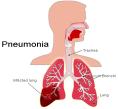 IPD can kill young children in a few days
ANJIRA ASSAVANONDA
A doctor yesterday warned parents to look out for a flu-like disease called ''invasive pneumococcal disease'' (IPD), which can kill children aged under two years in just a few days. Somsak Lolekha, chairman of the Paediatric Infectious Disease Society of Thailand, said the disease is caused by the streptococcus pneumoniae bacteria which is often found in children aged below two as they have no immunity against the disease.''Actually, IPD is not new to Thais. It has long existed, but most parents are not aware of it,'' said Dr Somsak.He said IPD can cause serious infection in human organs, the neuro and respiratory systems, as well as in the blood. Those contracting IPD could suffer from diseases such as meningitis and pneumonia. ''If proper medication is not given in time, patients could die in a matter of days, or could become disabled,'' said Dr Somsak.
He said people often mistook IPD for the common flu, as the general symptoms are alike.''But IPD is actually much more serious. Treating it is also more difficult as the bacteria has become resistant to drugs,'' said Dr Somsak.
Apart from flu-like symptoms, IPD also has some irregular indications, such as drowsiness, vomiting, dehydration and spasms.Figures from the World Health Organisation showed that more than one million children aged under five fall victim to IPD each year worldwide.In Thailand, records at the Children's Hospital showed that pneumococcal meningitis causes death in 23% of children, while IPD permanently disables many of the sufferers.
- Integrated Medicine Forum
- Live Blood Analysis Blog
- Live Blood Analysis Courses
- Leica Microscope & Equipment
- Microscopy Course on the topic of Live Blood Analysis with Certificate
Subscribe to:
Posts (Atom)
Dr. Group's Secret to Health Kit$39.94  Dr. Group's Secret to Health Kit offers simple at-home solutions for cleansing internally and externally thereby reducing toxins, restoring the body's natural healing process, and helping you achieve true health and happiness. |