Showing posts with label emergency medicine. Show all posts

Saturday, May 10, 2008

Telemedicine a Cost-Effective Alternative to ER Visits

(HealthDay News) -- Telemedicine is a cost-effective way to replace more than a quarter of all visits to the pediatric emergency department, according to a community-wide study conducted in New York.

Ailments, such as ear infections or sore throats, that virtually always prove manageable by telemedicine made up almost 28 percent of all pediatric ER visits in Rochester, N.Y., during one year, according to investigators from the University of Rochester Medical Center.

Their findings were presented recently at the 2008 Pediatric Academic Societies annual meeting, in Honolulu.

"We learned that more than one in four local patients are using the pediatric emergency department for non-emergencies," lead investigator Dr. Kenneth McConnochie, a professor of pediatrics at the University of Rochester's Golisano Children's Hospital at Strong, said in a prepared statement. "This mismatch of needs and resources is inefficient, costly and impersonal for everyone involved."

McConnochie and his colleagues, who direct a Rochester-based telemedicine program that provides interactive, Internet-based pediatric health-care service to the area, analyzed data for all pediatric visits to the largest emergency department in the city. Based on their experience, they determined at least 12,000 visits were ones they routinely treat with success via telemedicine.

The other visits were either problems that sometimes are treatable through telemedicine, such as asthma attacks; or ones beyond the scope of the technology, such as a serious wound or injury.

"This would've not only freed up emergency resources to people who needed them more, it would have afforded smaller co-pays for parents and more timely, personalized care," McConnochie said.

In related research presented at the meeting, McConnochie suggested that telemedicine could also help insurers and the community by providing better quality care at a lower price -- saving insurers more than $14 per child per year in that local community.

The conclusion was reached by studying two groups of children that were almost identical, but one had access to their doctor's office, the emergency department and telemedicine technology for care, while the second had only the first two options.

"We found that the first group of families, which had access to telemedicine for their children, did in fact access care for illness overall nearly 23 percent more often than the second group," McConnochie said.

But since children with telemedicine access had 24 percent fewer ER visits, which cost about seven times the cost of a doctor office or telemedicine visit, the telemedicine group ultimately still cost insurers less per child over a year.

More information
The Nemours Foundation has more about children's health.

Thursday, July 05, 2007

Don't Get Burned by Heat Stroke

(HealthDay News) -- Staying cool on hot summer days isn't just comfortable, it could save your life, according to the Pennsylvania Medical Society.

Heat stroke -- injury to internal organs caused by an excessively high body temperature -- is a serious and potentially deadly illness that can usually be prevented. Even so, it still happens all too frequently, experts say.

Many people recall the August 2001 death of Minnesota Viking's football player Korey Stringer.

He died after developing multi-organ system failure on a hot day. Athletes are particularly vulnerable to heat stroke -- especially football players, who wear body-covering uniforms and practice in the hottest temperatures -- but it can affect anyone.

Heat stroke can occur when you are in an extremely hot environment for a long period of time. It also happens when people overexert themselves on very hot days.

According to the Pennsylvania Medical Society, you should be alert to heat stroke on days when the relative humidity is at least 70 percent and temperatures are 95 degrees Fahrenheit and higher.

Other heat-related afflictions that may be a sign of looming heat stroke include heat cramps and heat exhaustion, which is characterized by pale, moist skin; headache; dizziness; nausea;

increased heart rate; low blood pressure; elevated temperature and profuse sweating.

The symptoms of heat stroke are more severe than those of heat exhaustion and may include:
Initial profuse sweating.
Hot, dry red skin.
High fever.
Vomiting.
Confusion.
Seizures during cooling.
Unconsciousness.
Sometimes lack of sweating, though athletes may perspire.
High body temperature (often 105 degrees or higher).
Anyone experiencing these symptoms should immediately seek emergency medical help.

Steps you can take to keep cool despite hot temperatures include:
Avoid overexertion.
Drink a quart of fluids an hour.
Wear loose, light-colored clothing made of light fabrics.
Wear a hat and sunblock.
Stay in the shade or indoors when possible.
Open windows and use fans and/or air conditioning; if you don't have air conditioning, go to a public place that does (a mall, library or movie theater).
Avoid dehydrating beverages such as caffeine and alcohol.

More information
The U.S. Centers for Disease Control and Prevention has more about extreme heat.

Monday, May 14, 2007

Pool Safety Tips Keep Everyone's Head Above Water

(HealthDay News) -- Drowning is the second leading cause of death among American children ages 14 and younger, but a few simple measures can greatly reduce the risk of such tragedies, experts say.

Every year, about 760 children in that age group die from accidental drowning, and about 3,000 are treated at emergency departments after near-drowning incidents, according to Children's Healthcare of Atlanta and Safe Kids Georgia.

It doesn't have to be that way, they say. "The most important precaution is active supervision. Simply being near your child is not necessarily supervising," spokeswoman Beverly Losman said in a prepared statement.

She noted that while 94 percent of parents say their supervise their children while they're swimming, many of those parents admit that they do other distracting activities at the same time, such as talking, eating, reading or looking after another child.

"A supervised child is in sight at all times with your undivided attention focused on the child. When there are children in or near the water, adults should take turns serving as the designated 'water watcher' paying undivided attention," Losman said.

She offered these other precautions:
Pools and spas should be surrounded on all four sides by a fence at least five feet high with gates that close and latch automatically. This type of isolation fencing could prevent 50 percent to 90 percent of child drownings in residential pools, studies estimate.

Consider a pool alarm and alarms on doors, windows and gates leading to the pool.
Pools and spas with a single drain should have an anti-entrapment drain cover and a safety vacuum release system to prevent children from being caught underwater in the powerful suction of the drain.

Don't leave toys in or near a pool where they may attract unsupervised children.
When children are about age 4, enroll them in swimming lessons. But don't assume that swimming lessons make a child "drownproof" -- they still need active supervision when swimming.

Remember that inflatable swimming aids, such as water wings, are not flotation devices and don't prevent drowning.

Keep rescue equipment, a phone and emergency numbers by the pool.

More information
The Nemours Foundation has more about children and water safety.

Monday, October 02, 2006

Diverticulitis Showing Up in Young, Obese Adults

(HealthDay News) -- Acute diverticulitis -- a disease of the colon traditionally seen in people over age 50 -- is now being diagnosed in obese younger adults, a University of Maryland Medical Center study finds.

Acute diverticulitis is commonly related to a low-fiber diet. Increased pressure in the colon causes thin-walled out-pouches (diverticula) to develop in the bowel wall. This condition is called diverticulosis. Bacterial infection of these diverticula cause inflammation (diverticulitis) that can result in perforation of the intestinal wall and other serious complications.

This study included 104 patients in two age groups: 50 years old or younger and those older than 50 years.

The researchers found that abdominal obesity was present and more severe in 85.7 percent of the younger patients, compared with 77 percent of the older patients.

"There is clearly an association with abdominal obesity in these younger patients. Obese adults patients are at risk for this disease after 20 years of age," researcher Dr. Barry Daly of the medical center's radiology department said in a prepared statement.

"Because patients who get acute diverticulitis always have underlying diverticulosis of the colon, younger patients may be at increased risk for recurrent attacks of inflammation of these diverticula over the long term," Daly said.

"For physicians, it is important to add acute diverticulitis to the list of diseases that may cause acute abdominal pain in younger patients who come to the emergency room, especially if they are obese," he noted.

The study, published in the September issue of the American Journal of Roentgenology, was prompted by an emerging patient trend.

"Over the past 10 years, I noted that many patients coming into the emergency room with CT findings of acute diverticulitis seemed younger than traditional teaching suggested, and often were obese," Daly said.

"We were seeing patients as young as their early twenties, though textbooks typically describe this condition as a disease of the over-50 age group."

More information
The U.S. National Library of Medicine has more about diverticulitis.

Wednesday, September 20, 2006

Tanks and troops patrolled Bangkok early Wednesday after the army said the military was taking control.

BANGKOK, Thailand (CNN) -- The chiefs of Thailand's army, navy and air force met with King Bhumibol Adulyadej to declare they were taking over the country, according to a televised statement early Wednesday.
The coup is being led by Thai army chief Gen. Sonthi Boonyaratkalin, who announced that the military and opposition Party of Democratic Reform were taking over while Prime Minister Thaksin Shinawatra was in New York for a U.N. meeting.
Sonthi said Wednesday he would meet in the morning with government officials and leaders of other institutions, such as universities
Thaksin canceled a scheduled Tuesday evening speech to the U.N. General Assembly, a U.N. official said.
He said, however, that his government was still in control of the nation and later announced he was firing Sonthi.
Deputy Prime Minister Surakiart Sathirathai said that the supreme commander of Thailand's armed forces -- Gen. Ruengroj Mahasaranont -- would be in charge of Bangkok. Mahasaranont has made no public statement since the coup was announced.
Tanks and troops patrolled Bangkok early Wednesday after the army said the military was taking control. (Watch tanks roll through the streets of Bangkok -- 3:53)
Police were closing stores and directing traffic off Bangkok streets, residents told CNN via e-mail, but no violence was reported.
The coup plotters declared martial law and suspended the constitution of the Southeast Asian nation. They also declared Wednesday a holiday, with schools, banks and the country's stock market closed.
"The armed forces commander and the national police commander have successfully taken over Bangkok and the surrounding area in order to maintain peace and order. There has been no struggle," the coup announcement said, according to The Associated Press. "We ask for the cooperation of the public and ask your pardon for the inconvenience."
Sonthi, who is known to be close to Thailand's revered constitutional monarch, will serve as acting prime minister, army spokesman Col. Akarat Chitroj said, according to The AP. Sonthi is a Muslim in this Buddhist-dominated nation, AP reported.
Foreign news networks, including CNN, from which Thailand residents were able to monitor the beginning of the coup, were later removed from the country's cable systems.
Only one local station was broadcasting and it was showing pictures of the country's king, according to an e-mail CNN received from Nio Paul, who identified himself as an American living in Thailand.
On a television station remaining under his government's control Tuesday, Thaksin declared a state of emergency from New York.
Troops on the streets of the Thai capital had yellow ribbons on their weapons, a sign of loyalty to the nation's king, to whom the coup plotters proclaimed their loyalty.
Former Prime Minister Chuan Leekpai told AP that Thaksin had forced the military to act.
"As politicians, we do not support any kind of coup, but during the past five years, the government of Thaksin created several conditions that forced the military to stage the coup. Thaksin has caused the crisis in the country," he told The AP.
At least four tanks and a number of armored vehicles were stationed around the royal palace in Bangkok, CNN's Dan Rivers reported.
Soldiers apparently were setting up roadblocks, and what appeared to be members of the royal guard surrounded the palace.
It was unclear if the soldiers were loyal to the government or to those attempting to seize power.
Two tanks were parked outside the government headquarters, which houses Thaksin's office.
About a dozen soldiers patrolled around the Erawan Hotel in the city's business district, AP reported.
There have been 17 coups in Thailand since World War II, and rumors of an 18th have been circulating around Bangkok in recent weeks as Thaksin battled considerable pressure to step down. This is the first coup since 1992, AP reported.
International reaction to the coup was muted largely because details of the situation were scarce. John Bolton, the U.S. ambassador to the United Nations, said Secretary of State Condoleezza Rice cut short a meeting at the United Nations to try to get more information from the U.S. Embassy in Bangkok.
"We think it's important, in the short term, that we have peace in the streets in Bangkok, and that their constitutional processes be upheld," Bolton said.
And U.N. Secretary-General Kofi Annan said "This is not a practice to be encouraged."
"Over the past decade or so, they have established a solid democracy and institutions under the leadership of the king," Annan told reporters. "I'm sure they will be able to restore that institution and go back to a democratic system as soon as possible. "
Thaksin decided Monday night to reschedule his speech to the U.N. General Assembly for Tuesday night and return to Bangkok afterward, according to U.N. officials. He originally had been scheduled to address the assembly on Wednesday.
Though he canceled the Tuesday speech, it was not clear when Thaksin would return to Thailand.
Elections in Thailand are scheduled for November after the country's constitutional court ruled that a vote in April was unconstitutional.
Thaksin had called for the April elections, three years early, after opponents accused the billionaire leader of abusing the country's system of checks and balances and bending government policy to benefit his family's business.
Some Thais gathered outside Government House in Bangkok to get pictures of themselves with the tanks and troops, AP reported.
The coup caused little stir in Bangkok's popular tourist districts, where foreigners packed beer bars and cabarets just a few miles from where the tanks were posted, AP reported.
CNN's Richard Roth, Dan Rivers and Ellen Rose contributed to this report
Copyright 2006 CNN. All rights reserved.
Associated Press contributed to this report.

Tuesday, August 29, 2006

Overcoming Addictions?

Q: I am addicted to alcohol and caffeine and am ready to go cold turkey off of both. Can you suggest any natural supplements that would help with cravings/withdrawal?-- Carola Gregg

A: Congratulations on your determination to overcome your addictions. We all know about the addictive potential and side effects of drinking too much alcohol, but few people realize the negative effects of dependence on caffeine. Over-stimulation from caffeine, especially coffee, provokes anxiety, interferes with restful sleep, and significantly irritates the urinary, gastrointestinal, and other systems of the body. So again, I applaud your efforts.

I would recommend withdrawing from caffeine first. Compared to alcohol – and tobacco – caffeine is a much easier habit to break. But to succeed, you should plan ahead. Give yourself three days to do it. Arrange to keep yourself distracted and comfortable and anticipate that you probably won’t have much energy for the duration. You’re also liable to develop a distinctive throbbing headache. You can take aspirin for it, but avoid Excedrin and other pain relievers that contain caffeine.

Giving up alcohol can be much more difficult depending on how much you drink. "Too much" usually means more than two drinks per day for men and more than one drink per day for women (twelve fluid ounces of regular beer or five ounces of wine or 1.5 ounces of 80-proof distilled spirits) or any habitual use that disrupts your life and routines. Withdrawal symptoms usually begin within 12 hours after you stop drinking and peak 48 to 72 hours later.

Since some of the symptoms - both physical and psychological - can be quite severe, I wouldn’t recommend going cold turkey on your own. At best, you’re likely to be nervous, shaky, anxious and may have trouble thinking clearly. Physical symptoms may include headache, nausea, vomiting, insomnia, rapid heart rate and tremor. At worst, withdrawal can lead to delirium tremens (a combination of confusion and visual hallucination), convulsions, and blackouts, all of which require emergency medical treatment. Severe alcohol withdrawal can be fatal.

If you think your withdrawal is unlikely to lead to severe symptoms, you might use the herb valerian as well as breathing exercises to cope with anxiety. Both acupuncture and hypnosis may help you deal with cravings down the line. And take one B-100 B-complex a day to make up for the B-vitamin deficiency alcoholism can cause. I also recommend the herb milk thistle for liver protection and regeneration. Buy a standardized product and follow the dosage directions on the label. (Everyone who drinks alcohol regularly should be on milk thistle, whether or not they plan to withdraw.)

Before you begin the withdrawal process, discuss your plans with your physician. He or she may recommend a drug rehab facility to get you through it. You also could look for one via SAMHSA, the federally sponsored Substance Abuse and Mental Health Facility Locator (http://findtreatment.samhsa.gov/). I also encourage you to join Alcoholics Anonymous or some other support group. Congratulations and good luck!

Andrew Weil, M.D.

–Author of:

Sunday, August 20, 2006

Health Highlights: Aug. 18, 2006

Here are some of the latest health and medical news developments, compiled by the editors of HealthDay:
Maker of 'Morning-After' Pill Reapplies to FDA

The maker of the controversial Plan B "morning-after" pill has resubmitted an application to the U.S. Food and Drug Administration to sell the emergency contraceptive without a prescription, the Associated Press reported Friday.

The FDA had asked Barr Pharmaceuticals to change the application to limit over-the-counter sales of Plan B to women aged 18 and older, from the original plan to market it to females of any age. Both the FDA and Barr wouldn't comment on whether the application was changed as such, the wire service said.

Plan B is now available in most states only by prescription. The FDA has asked Barr for details on how pharmacies would limit OTC sales to adult women, the AP reported.

"Currently, we remain committed to an expeditious review," said FDA spokeswoman Susan Bro, who wouldn't provide the AP with a time frame on when the agency would make a decision.
Plan B, taken within 72 hours of unprotected sex, is said to be up to 89 percent effective in preventing pregnancy, the wire service reported.
-----
Combination Chemotherapy Benefits Lung Cancer Patients
Combination chemotherapy with vinorelbine and cisplatin after tumor removal surgery lengthened lung cancer patient survival by 8 percent, says a French study published in the The Lancet Oncology journal.

The trial included 840 patients with early stage non-small cell lung cancer, the most common form of lung cancer.
"Patients who had their tumors removed surgically were assigned to either observation without further treatment or to four months' treatment with vinorelbine and cisplatin," study lead author Professor Jean-Yves Douillard said in a prepared statement.

"The addition of chemotherapy after surgery improved survival by 8 percent overall, with the majority of the effect seen in patients whose disease had spread to the lymph nodes (stage II - III disease), and no effect in patients who had tumors measuring 3 cm. or larger that had not spread to the lymph nodes," he said.
-----
Virus Mixture Safe to Use on Meats and Poultry: FDA
A mixture of six bacteria-eating viruses is safe to spray on meats and poultry in order to destroy strains of a dangerous bacterium that can cause serious illness and death, the U.S. Food and Drug Administration ruled Friday.

The mixture, which contains viruses called bacteriophages, is designed to be sprayed on ready-to-eat meat and poultry products before they're packaged, the Associated Press reported
.
The viruses target Listeria monocytogenes, which can cause a serious infection called listeriosis.

Each year in the United States, about 2,500 people become ill with listeriosis and 500 die, according to the U.S. Centers for Disease Control and Prevention.

Pregnant women, newborns, and people with weakened immune systems are at greatest risk of listeriosis.

The virus mixture is made by Intralytix Inc. of Baltimore. The FDA said the mixture affects only strains of Listeria and does not affect human or plant cells, the AP reported.
-----
U.S. Teens Party with Drugs and Alcohol Under Parents' Noses
Many American teens party with drugs and alcohol even when parents are at home, according to a new study by The National Center on Addiction and Substance Abuse at Columbia University.

The survey included 1,297 young people, aged 12 to 17. Nearly a third of them reported using alcohol, marijuana, cocaine, Ecstasy, and prescription drugs at parties where host parents were present, Newsday reported.

Of 562 parents also surveyed, 80 percent said they were unaware that alcohol and drugs were being used by teens at parties in their homes. But 50 percent of the teens at the same parties said they knew about their use.

"That shows just how out of touch the parents are," Joseph A. Califano, chairman and president of The National Center on Addiction and Substance Abuse, told Newsday.

The amount of drug and alcohol use apparently was much higher when parents weren't home, the survey found. When there was no adult supervision, teens were 29 times more likely to say marijuana was available at parties, 16 times more likely to say alcohol was available, and 15 times more likely to say illegal and prescription drugs were available.

-----
Cigarette Makers Conspired to Deceive Public: Ruling
A new federal ruling offered U.S. cigarette makers a mix of bad news and good news.
Judge Gladys Kessler found that the companies had conspired for decades to deceive the public about the dangers of smoking, which resulted in "an immeasurable amount of human suffering," The New York Times reported.

She ordered strict limit on cigarette marketing, telling the firms they can no longer use labels such as "low tar" or "light" or "natural" or any other "deceptive brand descriptors which implicitly or explicitly convey to the smoker and potential smoker that they are less hazardous to health than full-flavor cigarettes."

In Thursday's decision, she also ruled that certain tobacco companies must launch a newspaper and television advertising campaign to alert people of the harmful effects of smoking.

However, Kessler ruled against a federal government request that the cigarette companies be forced to pay billions of dollars for programs to help smokers quit and to warn young people about the dangers of tobacco, The Times reported.

Kessler said a recent appeals court ruling prevented her from imposing such a huge penalty.
-----
Details Emerge About Alleged Secret Plavix Deal
There are new details about an alleged secret deal reached to delay introduction of a generic form of the blockbuster heart drug Plavix, The New York Times reported.

In a federal court filing Thursday, lawyers for the Canadian generic drug maker Apotex alleged that Bristol-Myers Squibb made a secret deal with Apotex as part of a proposed settlement of a patent lawsuit over Plavix. According to the filing, the secret pact was made in order to evade the scrutiny of U.S. regulators reviewing the settlement, the Times reported.

The U.S. Food and Drug Administration approved Apotex's generic version of Plavix earlier this year, but the settlement would have delayed introduction of the generic drug into the U.S. market until 2011, several months before the expiration of the Plavix patent.

Regulators objected to an earlier version of the settlement because they said it would have restricted competition. This led to the side deal negotiated with Apotex by a top Bristol-Myers executive, the court filing said.

Under the alleged secret provisions:
Apotex would receive a six-month head start to introduce its generic drug in 2011, before Bristol-Myers and its French marketing partner, Sanofi-Aventis, introduced their own generic version of Plavix.

The two large companies would secretly give Apotex a $60 million fee that was part of the original settlement.

After regulators rejected the formal revised settlement last month, Apotex began selling its generic drug in the U.S. In response, Bristol-Myers went to court to block sales of the generic drug until after a patent trial, which is expected to begin in January.

Sunday, August 13, 2006

MEDEX Assistance Expands Avian Flu Info Outreach: Comprehensive New Website Is A Free Resource For Corporate And Individual Travelers, Travel Planner

Expanding its longstanding coverage and counsel regarding the avian flu, MEDEX Assistance today launched a comprehensive new website that provides the very latest authoritative updates on the potential pandemic. One of the world's leading providers of 24/7 emergency medical, security and travel assistance, MEDEX Assistance has been addressing global health issues and serving the needs of corporate and individual business and leisure travelers for more than 28 years. Coalesced from the world's leading medical and public health sources, the new website, http://www.medexassist.com/pandemic, serves as a one-stop dissemination point for the latest avian flu facts and data.

In addition, MEDEX Assistance provides insights and advice from the company's global network of travel health professionals. Corporate managers, medical personnel, risk management professionals, and individual travelers can access updates regarding the spread of the H5N1 virus and precautions for minimizing the risk of infection, as well as expert analysis and links to vital business continuity planning information.

Free public access to this dynamic and continually updated new avian flu website is a clear and simple click from either the group or individual portions of the MEDEX Assistance website: http://www.medexassist.com/pandemic or directly at http://www.medexassist.com/pandemic. "While we all hope that an Avian Flu pandemic does not become a reality, we also recognize that 'hoping' is not a viable strategy should it actually come to pass," stated MEDEX Assistance President and CEO Bruce Kirby.

"Free and open access to information about such a dangerous global health risk is, in our view, the reasonable and responsible approach." Noting that the free distribution of avian flu resources and planning materials has been MEDEX Assistance policy since the company published its two extensively researched Avian Flu reports nearly a year ago, Kirby emphasized, "Pandemic planning is something that should be available to all, not offered exclusively to those corporations willing and able to pay for it. The goal of our new website is to provide a free and open forum for a rational and informed decision making, based on facts and not fears."

For additional information about MEDEX Assistance Corporation, contact Nicole Beach at 410-451-6391 or Richard Altman/REA Communications, Inc. at 914-288-9811.

Available Topic Expert(s): For information on the listed expert(s), click appropriate link.
MEDEX Assistance Corporation
http://www.medexassist.com/pandemic

Wednesday, August 09, 2006

Novel Immune System Enhancer Strengthens Microbial and Mutagenic Defense

Immunity is one of our body's most important resources. Yet, some of the most devastating diseases can affect this aspect of our health including HIV, cancer, and autoimmune diseases such as rheumatoid arthritis, lupus and multiple sclerosis. Even if we're not subject to any of these chronic conditions, we can become vulnerable to a host of influenza viruses or bacterial infections. It's therefore integrally important to reinforce our immune systems.

Over the last three years some of the top laboratories in the nation have been researching a substance that appears to modulate the immune system in such a way as to make it resistant to pathogenic organisms. After personally communicating with the director of the research team responsible for investigating this new substance, I have concluded that it is one of the most promising agents I've seen. However, before I describe its discovery and how it supports the immune system, I must describe several key aspects of our bodies' immune defenses. One of the ways we can nurture this aspect of health is to enhance the activity of natural killer cells, key players in immunity.

Natural killer cells are lymphocytes, cells present in the blood and lymphatic tissue that are integral to immunity. Natural killer cells bond to viral-invaded cells and release cytotoxins that kill the infected cells. They act similarly on many types of tumor cells. While natural killer cells are an important aspect of immunity, they are not the only aspect. The immune system is a complex tapestry that also relies upon the proper functioning of T-cells.

These cells emerge from the bone marrow in an immature state and must migrate to the thymus gland, where they are programmed to transform into:

1) CD4 helper cells, which orchestrate the immune response by activating other immune cells and stimulating the production of antibodies by the B- cells.

2) CD8 suppressor cells, which suppress killer cells by signaling the termination of an attack. Therefore, if we could find a natural substance that decreases the number of CD8 suppressor cells in relation to the number of CD4 helper cells, we would improve the CD4/CD8 ratio, strengthening the immune system's ability to defend against viral, bacterial, and parasitical invaders. A third aspect of immunity involves immunoglobulin A (IgA).

IgA is the principal immunoglobulin in exocrine secretions. It is important in protecting mucosal surfaces from invasion by pathogenic bacteria and viruses. Its presence in colostrum is thought to be the main reason behind colostrum's anti-infective properties in newborns. While the aforementioned aspects of immunity are important, they are, in a sense, oversimplifying how the immune system works, as it is a complex interplay of many different factors. However, understanding each of the factors I mention above will help explain how the new discovery discussed below has a novel and fascinating effect on the immune system.

Accidental Discovery
The discovery of a unique yeast-derived product called EpiCor™ began when insurance adjusters noticed that employees of a leading manufacturer of animal nutrition products, experienced unusually low sick leave rates and filed significantly fewer claims than employees of similarly sized companies. In fact, while 2004 annual insurance premiums increased an average of 11.2 percent nationally, this company's 2004 premiums didn't increase at all. The owners suspected this low illness rate was due to a fermented yeast culture the company manufactured for production animals since the workers who came in contact with this fermented yeast culture experienced an unusual lack of illnesses.

Consequently, the company commissioned a research group to perform a series of studies investigating EpiCor's effects, its safety and whether it was the agent responsible for the enhanced immunity at the company's production facility plant. Prior to conducting these studies, the research group visited the manufacturing facility and interviewed the employees. They began with the plant manager, who had previously worked at another company for more than 20 years. His wife was an emergency room nurse and often caught viral infections while on the job. While working at the other company, the plant manager and his children contracted 3 to 5 colds or flus per year. However, he had now worked with the fermented yeast product for 9 years and had not had a cold or flu for at least the last 7 years.

His wife and children continued to contract a number of illnesses every year. After hearing similar stories from other members of the production facility staff, the researchers were intrigued. Among the production facility workers, there had been no admissions for any emergency room visits, no incidence of any chronic diseases. In the administrative building, where employees rarely came in contact with the fermented yeast product, there was a greater incidence of colds and flu. There definitely seemed to be a reason to investigate this product.

Background on EpiCor
The ingredient to be investigated was an end product of fermentation of baker's yeast (Saccharomyces cerevisiae). The company has produced this product for 63 years as an additive to animal feed products and they distribute it worldwide. The process used to manufacture the product, while not patented, is a trade secret that other large companies have failed to replicate. Consequently, EpiCor's producer has dominated in the feed marketplace for many years, especially since it wasn't uncommon for animals consuming the animal feed version of EpiCor to have an increased litter size compared to what would normally be expected.

Antioxidant Powerhouse
First, the team of researchers broke down EpiCor's composition to help determine why it might have an immunomodulating effect. In doing this, it was noted that EpiCor had an excellent profile of mono unsaturated and polyunsaturated fatty acids and a small amount of saturated fat. In addition, all of the essential vitamins and minerals were in the product as well as trace elements. Interestingly, they also found it contained compounds known to exert free radical fighting activity such as phytosterols and phenolics including catechins and trans resveratrol. The researchers were surprised to find compounds such as squalene, which is found in sharks and only a very few plant species. Given this profile of substances known to exert antioxidant activity, they decided to subject EpiCor to studies investigating its antioxidant potential.

The first study conducted was designed to determine whether EpiCor could inhibit the formation of radical oxygen species (ROS) in freshly purified human neutrophil cells. They exposed the cells to hydrogen peroxide to induce severe oxidative stress then compared the EpiCor-treated cells to the cells left untreated. They discovered significant reduction of all ROS formation at EpiCor concentrations as low as 1 part per trillion compared to control cells challenged with only hydrogen peroxide. They continued to observe inhibition of ROS formation at concentrations even lower than one part per trillion. This effect didn't stop until they reached a concentration of 0.01 part per trillion. The antioxidant activity of EpiCor (or ORAC activity, as its called in the industry) was actually significantly greater than that of blueberries.

Microbial Studies
Next, the researchers found that EpiCor dramatically reduced the growth of E. Coli bacteria and Candida Tropicalis. At concentrations that continued all the way down to 1 part per billion they noted total inhibition of E. Coli and Candida Tropicalis. It did not, however, inhibit Staphylococcus aureus.

After conducting this study, they concluded that EpiCor may provide protection against infection with coliform bacteria (a common cause of food poisoning) and candida. The study also indicated that EpiCor may support the growth of desirable mucosal flora in the intestinal tract.

Stability and Toxicity Studies
The research team also decided to conduct a study to determine if EpiCor had a sufficient shelf life, an important consideration if it were to be consumed by humans. They first determined that when the product sat at 77 degrees Fahrenheit for 28 days, levels of mold, Salmonella, and Staphylococcus aureus stayed below the acceptable limit. Other tests have shown that it is extremely stable for at least 22 months.

In another study, they asked a leading lab to check for 139 different pesticides. EpiCor was found free of all 139 compounds tested for at the detection limits. They also performed oral toxicity studies in rats. They gave 2,000 mg of EpiCor per kg of body weight to 20 rats—the equivalent to 140 grams administered orally in humans. After 14 days, the animals treated with EpiCor had normal body weights and no deaths occurred during the treatment period. In addition, no gross pathological changes were observed.

In a 90-day toxicity study, they treated 4 groups of rats (40 animals per group) with either 30, 200 or 1,500 mg of EpiCor per kg of body weight. A fourth group served as the control. EpiCor-treated rats did not have an increased rate of mortality, there were no treatment-related clinical symptoms, no significant differences in body weight, nor any pathological changes in any areas examined. In addition, there were no gross pathological lesions found in any organs.

The researchers concluded that EpiCor was well tolerated in daily oral doses up to 1,500 mg for 90 days. (A 90-day rodent study is equivalent to 1.5 years of human consumption in a 70 kg adult male or a 50 kg adult female).

Other tests have shown that EpiCor is not mutagenic and does not have the potential to cause gene mutation. Before delving into human studies they also investigated whether EpiCor is contraindicated in people taking any type of pharmaceutical drug. So they looked at whether it would affect drug-metabolizing enzymes such as Cytochrome P450. They conducted a test called the immortalized human hepatocyte assay, considered the gold standard for inducing drug-metabolizing enzymes. Through this test, they found that EpiCor is not toxic, does not induce the expression or enzymatic activity of cytochrome P450 or other drug metabolizing enzymes and therefore does not interfere in drug metabolism.

Human Studies
They were almost ready to conduct human studies on EpiCor's immunomodulating potential. However, first, they wanted to ensure its safety. For one month, 15 men and women ages 15 – 40 consumed 500 mg of EpiCor in a single daily dose. They measured baseline values 3 days preceding the study's start. Multiple blood samples were taken on day 2 and 28 and additional blood and saliva samples on days 0, 14, 21, 28. EpiCor was well tolerated with no evidence of adverse effects on the immune system nor any clinically relevant changes to any vital signs.

Now that they had determined that EpiCor is safe, non-toxic, non-mutagenic, is not harmful to cells, and is pesticide free, they were ready to begin studying if and how it affects immunity in humans. They compared one group of 10 production employees who are exposed to EpiCor on the job at the facility with another group of 10 gender and aged matched non-production facility employees not exposed to EpiCor.

They analyzed blood samples and what they found was fascinating. The group exposed to EpiCor showed a significant decrease in CD8 suppressor cells, resulting in an improvement in the CD4/CD8 ratio. The CD4/CD8 ratio suggested that these EpiCor-exposed individuals had at least 2 to 3 times the natural killing activity against viruses, bacteria and cancer cells than would normally be expected! This was quite striking to the laboratory. The director called one of the researchers and said, “I've never seen anything like these results before. These people seem virtually immune from contracting almost anything.” The researcher then asked him to go through the results and highlight the ones he thought were significant while the researcher did the same. They did not hold the code as to whose blood samples they were observing. The code was still kept by a scientist at the facility. But when they broke the code they had both 100 percent successfully separated the production from the non-production employees based on their immune profile. One of the other interesting aspects is that natural killer cells in EpiCor-exposed subjects had a much higher killing efficiency of pathogen-infected and abnormal cells despite a significant decrease in the natural killer cells' number. To use an analogy, if we sent out soldiers, we could send out less soldiers because they had become more efficient at doing battle. At the same time, EpiCor-exposed subjects experienced a significant inhibition of interferon gamma production, which indicates that EpiCor has anti-inflammatory abilities. They also found significantly higher levels of total salivary secretory IgA in the EpiCor subjects. The IgA levels were surprisingly high—more than 300 mg per ml. This indicated that the EpiCor subjects had the equivalent of an immunological envelope protecting all the membranes in the eyes, nasal passages, and all the places where pathogenic organisms enter into the system. They also found significantly lower levels of immune complexes and higher levels of glutathione in erythrocytes (red blood cells). Higher levels of immune complexes are responsible for inflammation, and lowering their levels would result in less inflammation and tissue damage. These same immune-modulating effects were seen in the study mentioned earlier in this article, in the 15 subjects treated with EpiCor for 28 days.

Calcium
Signaling Another aspect of the EpiCor studies worth mentioning is known as calcium signaling. Calcium signaling between cells is pivotal to the coordinated response of cells in tissues and organs within the whole body. It is now well established that cells do not behave as selfish entities but rather tend to form "micro-societies" whose proper functioning requires a precise coordination of signals that the cells emit and receive. When these signals are not working properly, this can result in pathological situations that can range from abnormal cell proliferation to cell death. The research has shown that EpiCor can influence calcium signaling, thereby offering a potential explanation for how EpiCor supports immunity and defends against invading pathogens. Additionally, it was determined that EpiCor affects the activity of Nuclear Factor Kappa B (NFK-B). NFK-B plays an important role in inflammation, immunity, autoimmune responses, cell adhesion, cell proliferation, cell development and cell death (apoptosis) because it regulates the expression of genes involved in all these processes. GRAS Status After conducting these studies, an expert panel of toxicologists was assembled to review the data. The panel was chaired by the former director of the division of drugs and environmental toxicology and the human food safety program at the FDA. Other panelists included EPA scientists and the editor of the journal Food and Chemical Toxicology. As a result of the panel review, EpiCor has now received FDA's Generally Recognized as Safe (GRAS) classification.

Conclusion
I have never been so impressed by the effects of a compound as I have been with EpiCor. At this writing, there is one published study depicting the immune modulating aspects of EpiCor (Schauss AG, Vodjani A. Discovery of an edible fermentation product with unusual immune enhancing properties in humans.
FASEB J. 2006;20(4):A143).

Because this information is so new, a majority of studies mentioned in this article are still unpublished. The researchers expect to submit 5 manuscripts to peer reviewed journals within the next six months. Meanwhile, the confirmed safety of EpiCor and its effects on various immune parameters indicate that it is an immune modulating substance par excellence.

Chris Meletis, ND
Dr. Chris D. Meletis is an educator, international author and lecturer. Dr. Meletis has authored 14 books and was awarded the 2003 naturopathic physician of the year by the American Association of Naturopathic Physicians. He has also written over 200 nationally published health and wellness articles. He served as Chief Medical Officer and Dean of Naturopathic Medicine for the National College of Naturopathic Medicine and has participated in starting 16 clinics providing care for uninsured families. His personal mission is "Changing America's Health One Person at a Time." He believes that when people become educated about their health that this is when true wellness is achieved.
>> Read Full Story

Friday, July 21, 2006

Steamy Air Won't Ease Croup

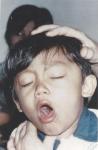
WEDNESDAY, July 19 (HealthDay News) -- Contrary to popular belief, humid air does not relieve the coughing and wheezing of croup in children, a new study shows.

"Typically, you get people to run a hot bath or shower in the bathroom. Or you get them to boil a kettle in the room, or have hot water in the corner of the room. That's the kind of first-aid advice that is often given at the point of first contact with a health-care professional," lead reviewer Dr. Michael Moore, a family doctor at Three Swans Surgery in Salisbury, England, said in a prepared statement.

In the study, published in the current issue of The Cochrane Library, Moore and his colleagues analyzed data from three studies of 135 children with croup who were seen in a hospital emergency department.

The outcomes for children treated with moist air did not differ significantly from those who received no treatment, the researchers found.

"We haven't shown any benefit from using the moisturized air in the emergency department, and there's no particular reason to think that it would work better at home," Moore said.
Croup, usually caused by a viral infection, leads to swelling in the upper part of the airway and affects the voice box. Because they have narrower airways than older children and adults, young children are especially susceptible to croup.

"I think that probably the successes that were attributed to humidity in the past were due to the calming effect of the parent believing that they were doing something, the child taking deeper breaths, the child getting over the spasmodic element of the croup, and then just getting better," Dr. Dennis Scolnik, an emergency room pediatrician at The Hospital for Sick Children in Toronto, Canada, said in a prepared statement.

"I think humidity probably wouldn't harm. But I think it's a false sense of security," he added.
There are medical treatments for serious cases of croup, he added.

More information
The Nemours Foundation has more about croup.
Last reviewed: 07/19/2006 Last updated: 07/19/2006

Monday, July 17, 2006

Careless Ozone Treatments are so dangerous, who protect the patients? Educate yourself!

In the past I had a couple of times experiences to hear about the treatments of Mr. Sartori. How rough he takes care his patients and how dangerous are his treatments seems for us, when he inject ozone gas direct in the venous and artery blood circulation system. I couldn't understand this, that so a careless treatment has not have any side effects for the patients, because I didn't hear anymore from this patients. Today, I know why.


I could read this in the Chiang Mail News (Vol. V No. 29 - Saturday July 15, - July 21, 2006 ).

I'm so surprised how much mony he charged for this careless non-sense. As our Integrated Medical and Ayurveda School, we are teaching always, not to use any treatments until we are aware of studies, which are proven which are benefits certain kinds of treatments. Ozone treatments has many benefits, which are proven and you can read that online in our website, but not in this dangerouse manner how Mr. Satori used it.

Again, we are always promoting, before you are make any treatment. Educate yourself!!! Here is the story. Why?

Deregistered Austrian doctor arrested for illegal practice, causing deaths of cancer patients

Saksit Meesubkwang

Australian Federal Police in cooperation with Provincial Police Bureau Region 5 arrested a deregistered Austrian doctor who claimed to be able to cure cancer, but many of his “patients” had died.

Hellfried Sartori, the disgraced Austrian doctor (photo above).
Pol. Lt. Gen. Panupong Singhara Na Ayuthaya, Commissioner of Provincial Police Bureau Region 5 said that, on November 16, 2005, Australian Federal Police had come to Chiang Mai and asked the local police to assist in investigating the cause of death of numerous Australian people in the Northern Territory and Western Territory of Australia.

They had all been treated by an Austrian man named Hellfried Sartori, 67, who purported to be a doctor and had fled to Chiang Mai and offered treatment via his website.

Then, on February 20th, 2006, the Australian Federation Police were informed that Katherine Preston, an Australian woman who had been treated by him, died at Maharaj Nakorn Chiang Mai Hospital and it was suspected that the cause of death was from his treatment.

Pol. Lt. Gen. Panupong also said that after coordinating with the Australian Federal Police, he issued orders to the special investigation department to trace his whereabouts. The officers were aware that he claimed to be a doctor concerned with treating cancer and were informed of a patient, identified as Melissa Judith Taylor, 33, a New Zealander who was unconscious and undergoing emergency treatment in Chiang Mai Ram Hospital.

When she recovered, she informed the police that she was acquainted with the ‘doctor’ via the Internet; where he claimed that he could cure cancer.

So she flew to Thailand to receive treatment in Chiang Mai. She stated that she had agreed to make an initial payment of 900,000 baht.

He treated her in a room in a Chiang Mai hotel that he had converted into an operating theatre. He injected a substance he called “Ozone” into her body and soon after she went into shock and was sent to Central Chiang Mai Hospital.


A video recording shows Sartori injecting Ozone into a patient’s body at his illegal clinic.
Learning of this, police applied for an arrest warrant from Chiang Mai Court and apprehended the man. He was charged with fraud and working as a medical practitioner without a license.

The ‘doctor’ had several prior offences to his name and was also charged that on June 5, 2006, he fraudulently offered treatment to an American, for which he was paid 612,000 baht.

Previously, he had been arrested in New York City, in the US on May 18th, 1995 on a charge of posing as a doctor.

Also, on July 17, 1998, he was arrested in Washington, US on a similar charge. He claimed to have a cure for cancer and injected his patients with “Ozone gas”.

Investigations by Chiangmai Mail reporters revealed that the former physician, Hellfried Sartori, received his primary degree in medicine from the University of Graz Medical School in Austria, and went to America where he became involved in ‘alternative’ treatments for many conditions.

One of these was Cesium therapy and he began this program in 1981 at Life Sciences Universal Medical Clinic.

He was also involved with the so-called ‘chelation therapy’ which uses a series of intravenous infusions containing EDTA and various other substances, which is falsely claimed to be effective against cardiovascular disease, autism, and many other diseases and conditions. The use of chelation for such purposes is considered substandard medical practice.

Hellfried Sartori was subsequently struck off the medical register in the US in 1985 and convicted of practicing medicine without a license after injecting ozone into patients intravenously and performing chelation therapy via injection of EDTA to treat various diseases.

It would appear that he continued with this line of treatment, recruiting his “patients” via the Internet.

Chiang Mai Mail,Vol. V No. 29 - Saturday July 15, - July 21, 2006

Sunday, July 16, 2006

Medically Unexplained Symptoms: Treatment Developed

The diagnosis of medically unexplained symptoms is a problem that affects millions of people and can tax an already over-burdened health care system, according to Robert Smith, a physician and professor in MSU's Department of Medicine, College of Human Medicine. Smith and his colleagues devised the treatment plan which involves a combination of behavior modification and pharmaceutical treatment, as well as a good dose of improved communication between patient and doctor. Testing this treatment with nearly 100 patients, Smith and colleagues found that nearly half of them showed marked improvement. The findings were published in the July issue of the Journal of General Internal Medicine. "What we did was use what they've learned in psychiatry and the pain clinics, which is cognitive behavioral treatment and pharmacological treatment," Smith said. "We simply adapted it for use by primary care providers. But the centerpiece of all this is the doctor-patient relationship." Medically unexplained symptoms can be frustrating for both patient and physician, Smith said. "We're in a disease-based system and because of that fact, doctors don't particularly like patients with medically unexplained symptoms," he said. "

On the other hand, patients are unhappy because their needs aren't being met." This is where the value of the doctor-patient relationship comes into play, Smith said. "For years we've taught our students the value of this relationship and it really works," he said. "It's about communicating, how to address emotion, how to respond to it, how to be empathetic. We integrated all of that into this treatment." In addition to looking for the root causes of a patient's pain or discomfort, this treatment also calls for the use of medications such as antidepressants, as well as cognitive behavioral therapy that challenges the ways in which patients perceive their illnesses.

In this study, people with medically unexplained symptoms averaged 13 visits to primary care providers per year, many of those visits being to a hospital emergency room. The most common symptoms are back pain, headache, fatigue, as well as musculoskeletal, nervous system and gastrointestinal complaints. "Medically unexplained symptoms are common and costly," Smith said. "A patient's symptoms just won't go away, so a doctor orders more tests or gives more medicine or even operates on the patient. Pretty soon the patient will actually develop an organic disease as a complication of the drugs or surgery." He said it's important that people who suffer from medically unexplained symptoms realize they are not going to be "cured." "We can help to take the edge off," he said. "The patient may still have some pain, but it doesn't have to interfere with his or her life to the extent that it has in the past."

###
For a copy of the published paper, visit the Web http://www.blackwell-synergy.com/doi/full/10.1111/j.1525-1497.2006.00460.x.
Contact: Tom Oswald Michigan State University

Saturday, July 08, 2006

Altman recounts ozone's multiple benefits:

"First of all, it stimulates the production of white blood cells and increases the production of interferon, interleuken-2, and tumor necrosis factor, which the body uses to fight infections and cancer. It is anti-neoplastic, which means that it inhibits the growth of tumors. One study performed at Baylor University in Texas, in 1962, determined that ozone can help to kill tumors and enhance the effect of different types of anti-tumor drugs. Ozone kills bacteria and viruses. In addition, it increases the amount of oxygen in the blood and helps deliver oxygen to all of the cells in the body. It also helps degrade petrochemicals. This includes different toxins that one might have in the body due to the environment or food eaten. It helps dissolve and eliminate them from the body, and hence, lightens the body's toxic load.
It also increases red blood cell membrane distendability, making it more flexible. This is one way it is used in the treatment of heart disease. The administration of ozone changes the blood formation and helps the blood flow more effectively. In Cuba, for example, there is an ozone generator in every major hospital emergency room. It helps heart patients and stroke victims recover much quicker. It also increases the effectiveness of the antioxidant enzyme system, which scavenges excess free radicals in the body. These are just some of the things that it does."
By Gary Null, Ph.D

Wednesday, June 07, 2006

Knowing Your Child's Medical History


Knowing Your Child's Medical History

If your child is ever ill or injured and requires emergency care, doctors, nurses, and paramedics will have many questions about his medical history. And even if you know all the answers in a calm moment, the most organized parent might not be able to remember a child's health history in a stressful situation.

That's why it is important to keep a comprehensive record of your child's health information nearby. In many cases, this information can help a medical professional make quicker diagnoses and decisions during an emergency, when each second counts.

Read the categories below to learn more, and create a complete health record for your child. Keep one copy of the record at home, one in each car, and one in your bag or wallet. You should also supply your child's day care center and babysitters with this list, along with the name and number of your child's doctor.

more...

Yahoo! Health: Children's Health News

Tuesday, April 11, 2006

People warned to be aware of six summer diseases

BANGKOK, April 10 (TNA) - People should be aware of six diseases during this summer season, particularly during the Songkran festival next week, Bangkok Governor Apirak Kosayodhin warned here on Monday.
The six diseases include diarrhea, cholera, dysentery, typhoid, rabies and that caused by poisonous food, according to the governor.
"People should be more careful of the diseases during the summer--by washing their hands before taking food and consuming only safe food and water. People should also make sure that food and water containers they use are clean and safe," Mr. Apirak suggested.
For the forthcoming Songkran festival, he warned motorists not to drive when they are drunk and to always wear helmets when riding motorcycles.
As well, he asked Songkran revellers not to use white clay-powder and ice, adding that violators might be arrested and fined if they fail to cooperate with the official warnings and campaigns on "safe Songkran".
For girls, he suggested they wear covered clothes,
Meanwhile, Permanent Secretary for the Bangkok Metropolitan Administration (BMA) Nathonon Thavisin said that the BMA had set up 66 mobile public health teams at all public health centres in the capital who would be dispatched to assist people in any urgent or emergency cases during this summer season.
Training on safe food had also been organized for local food sellers, as well as for teachers and officials at more than 900 schools in the city, she noted.

More info at:
DrEddyClinic

Wednesday, March 08, 2006

Anaphylactic shock

Anaphylactic shock: "The most serious kind of allergic reaction is anaphylactic shock. It can kill by suffocation, the result of swelling of the larynx and obstruction of the airway. Anaphylactic shock can occur in response to insect stings, ingestion of allergenic foods in sensitive individuals, and injected or swallowed doses of medication. It is a medical emergency, but it can be treated effectively. An injection of adrenalin (administered under medical supervision) will usually end the reaction promptly. "

more info at www.dreddyclinic.com

Thursday, December 08, 2005

How Exercise Helps Children With Birth Defects

When I share studies with you about the value of exercise for your kids, the "big picture" message here is to get them moving in hopes of taming the epidemic of childhood obesity that's spreading all over America. Those benefits also extend to children with congenital heart disease, according to new research.

Scientists studied the beneficial effect of hour-long exercise sessions -- stretching, light weight resistance and aerobics -- twice a week on 19 children, ages 8-17, for 12 weeks. Of the 16 patients who finished the study, all had previously endured heart surgery or a nonsurgical procedure and 11 had only one functioning ventricle.

In every case save one, the physical health of patients improved significantly in terms of peak work rate, oxygen consumption or both. Safety devices were always on hand to help them in the event of an emergency, but were never needed.

Just more evidence, exercise should be viewed as a drug that needs to be prescribed precisely to do the most amount of good.

A funny sidenote: Punching the doctor was one specific activity young patients enjoyed.
Pediatrics, Vol. 116, No. 6, December 2005: 1339-1345
EurekAlert December 5, 2005

Monday, December 05, 2005

Zyvox® shows cost savings for treatment of skin infections

SAN FRANCISCO – Oral ZYVOX® (linezolid) was associated with significant savings to the health care system – an average of $4,630 per patient – compared to vancomycin when used in an outpatient setting for people with certain infections, according to data to be presented today at the Infectious Diseases Society of America (IDSA) annual meeting.

In the study, patients taking oral ZYVOX had fewer physician office visits, emergency room visits, hospitalizations, lab tests and other health care services, as well as lower total costs, compared to patients taking vancomycin.

The study retrospectively analyzed longitudinal claims data from more than 80 health plans for patients treated with ZYVOX or vancomycin on an outpatient basis for infections of which approximately half (48 percent) were skin infections. The average total cost per patient, including drug acquisition and administration as well as all related medical expenses, was 34 percent less for patients who were treated with oral ZYVOX compared with patients who were treated with vancomycin, which must be taken intravenously. ZYVOX is available in interchangeable IV and oral formulations.

"This new information broadens our understanding of the benefits of oral linezolid," said Peggy S. McKinnon, PharmD, Clinical Pharmacist, Transplant Infectious Diseases/Clinical Research at the Barnes-Jewish Hospital in St. Louis, Mo. and lead investigator. "Using an oral agent eliminates the risk of IV complications, such as line infections, as well as the cost of IV administration. This study offers further evidence of the cost savings of oral linezolid to the health care system."

Study Background
McKinnon and other investigators conducted a retrospective study using claims data from more than 80 health care plans to evaluate the impact of outpatient treatment with oral ZYVOX versus IV vancomycin on resource utilization and direct medical costs. The study analyzed 1,048 adult patients treated with ZYVOX and 1,048 adult patients treated with vancomycin, matched by propensity score, between January 2002 and March 2004. Demographic, clinical and resource utilization data were collected for 12 months prior and during the 35 day observation period, including treatment duration. Demographic and clinical characteristics, such as age, gender, plan type, comorbidities, infection-related events, and total health care costs, were comparable between treatment groups for 12 months prior to treatment. Neither efficacy nor safety was evaluated in this study.

Study Results
During the follow-up period, 35 days after treatment, patients who received oral ZYVOX used significantly fewer health care resources in the six areas studied, including physician office visits (4.1 vs. 8.4 visits per patient; p<0.0001), p="0.003)," p="0.024)."

About ZYVOX
ZYVOX was initially approved in the United States in April 2000 for the treatment of complicated skin and skin structure infections (cSSSIs) and nosocomial pneumonia, including those caused by methicillin-resistant Staphylococcus aureus (MRSA), a serious bacteria linked to increased morbidity, mortality and costs. ZYVOX is available in interchangeable IV and oral formulations, and is the only oral medicine approved by the U.S. Food and Drug Administration for the treatment of designated infections due to MRSA. In December 2002, ZYVOX was approved for use in pediatric patients and subsequently received approval for diabetic foot infections in July 2003. Since its introduction, ZYVOX has proven to be an important treatment option for designated infections known or suspected to be caused by MRSA. To date, more than one million patients worldwide have been treated with ZYVOX for its approved indications.

ZYVOX is indicated in the treatment of the following infections caused by susceptible strains of the designated microorganisms:
Complicated skin and skin structure infections, including diabetic foot infections, without concomitant osteomyelitis, caused by Staphylococcus aureus (methicillin-susceptible and -resistant strains), Streptococcus pyogenes, or Streptococcus agalactiae. ZYVOX has not been studied in the treatment of decubitus ulcers. Combination therapy may be clinically indicated if the documented or presumptive pathogens include Gram-negative organisms.Nosocomial pneumonia caused by Staphylococcus aureus (methicillin-susceptible and-resistant strains) or Streptococcus pneumoniae (including multidrug-resistant strains [MDRSP]*). Combination therapy may be clinically indicated if the documented or presumptive pathogens include Gram-negative organisms.

ZYVOX formulations are contraindicated for use in patients who have known hypersensitivity to linezolid or any of the other product components.

Myelosuppression (including anemia, leukopenia, pancytopenia, and thrombocytopenia) has been reported in patients receiving linezolid. In cases where the outcome is known, when linezolid was discontinued, the affected hematologic parameters have risen toward pretreatment levels. Complete blood counts should be monitored weekly in patients who receive linezolid, particularly in those who receive linezolid for longer than 2 weeks, those with preexisting myelosuppression, those receiving concomitant drugs that produce bone marrow suppression, or those with a chronic infection who have received previous or concomitant antibiotic therapy. Discontinuation of therapy with linezolid should be considered in patients who develop or have worsening myelosuppression.
Lactic acidosis has been reported with the use of ZYVOX. In reported cases, patients experienced repeated episodes of nausea and vomiting. Patients who develop recurrent nausea or vomiting, unexplained acidosis, or a low bicarbonate level while receiving ZYVOX should receive immediate medical evaluation.
Spontaneous reports of serotonin syndrome associated with co-administration of ZYVOX and serotonergic agents, including antidepressants such as selective serotonin reuptake inhibitors (SSRIs), have been reported. Patients who are treated with ZYVOX and concomitant serotonergic agents should be closely observed for signs and symptoms of serotonin syndrome (e.g., cognitive dysfunction, hyperpyrexia, hyperreflexia, incoordination). If any signs or symptoms occur physicians should consider discontinuation of either one or both agents (ZYVOX or concomitant serotonergic agents).
Peripheral and optic neuropathy have been reported in patients treated with ZYVOX, primarily those patients treated for longer than the maximum recommended duration of 28 days. In cases of optic neuropathy that progressed to loss of vision, patients were treated for extended periods beyond the maximum recommended duration. Visual blurring has been reported in some patients treated with ZYVOX for less than 28 days.
If patients experience symptoms of visual impairment, such as changes in visual acuity, changes in color vision, blurred vision, or visual field defect, prompt ophthalmic evaluation is recommended. Visual function should be monitored in all patients taking ZYVOX for extended periods (=3 months) and in all patients reporting new visual symptoms regardless of length of therapy with ZYVOX. If peripheral or optic neuropathy occurs, the continued use of ZYVOX in these patients should be weighed against the potential risks.

The most commonly reported adverse events in adults across clinical trials were nausea, headache, and diarrhea.

To reduce the development of drug-resistant bacteria and maintain the effectiveness of ZYVOX and other antibacterial drugs, ZYVOX should be used only to treat or prevent infections that are proven or strongly suspected to be caused by susceptible bacteria. When culture and susceptibility information are available, they should be considered in selecting or modifying antibacterial therapy. In the absence of such data, local epidemiology and susceptibility patterns may contribute to the empiric selection of therapy.
As with nearly all antibacterial agents, pseudomembranous colitis has been reported with ZYVOX. Therefore, it is important to consider this diagnosis in patients who present with diarrhea subsequent to the administration of ZYVOX.
*MDRSP refers to isolates resistant to 2 or more of the following antibiotics: penicillin, second-generation cephalosporins, macrolides, tetracycline, and trimethoprim/sulfamethoxazole.

ClickComments

Dr. Group's Secret to Health Kit

Dr. Group's Secret to Health Kit

$39.94
[ learn more ]

Add to Cart

Dr. Group's Secret to Health Kit offers simple at-home solutions for cleansing internally and externally thereby reducing toxins, restoring the body's natural healing process, and helping you achieve true health and happiness.