(HealthDay News) -- A jarring and forceful blow to the head can result in a brain injury called a concussion.
The American Academy of Family Physicians lists the following warning signs of concussion, which should be evaluated as soon as possible by a doctor:
Showing posts with label headaches. Show all posts
Showing posts with label headaches. Show all posts
Thursday, September 04, 2008


Thursday, July 03, 2008
Health Tip: Help Prevent Headaches
 (HealthDay News) -- Headache have a variety of causes and triggers, but stress is a common factor in many types of headache.
The U.S. National Library of Medicine offers these suggestions to lessen stress and reduce your chances of a headache:
Get plenty of sleep every night.
- Maintain a healthy diet, including staying away from junk food.
- Don't smoke.
- Get plenty of regular exercise.
- Stretch your neck, shoulders and upper body frequently. This is particularly important if you work all day at a desk or computer.
- Maintain good posture.
- Practice meditation, yoga or deep breathing techniques.
Thursday, July 05, 2007
Don't Get Burned by Heat Stroke
(HealthDay News) -- Staying cool on hot summer days isn't just comfortable, it could save your life, according to the Pennsylvania Medical Society.
Heat stroke -- injury to internal organs caused by an excessively high body temperature -- is a serious and potentially deadly illness that can usually be prevented. Even so, it still happens all too frequently, experts say.
Many people recall the August 2001 death of Minnesota Viking's football player Korey Stringer.
He died after developing multi-organ system failure on a hot day. Athletes are particularly vulnerable to heat stroke -- especially football players, who wear body-covering uniforms and practice in the hottest temperatures -- but it can affect anyone.
Heat stroke can occur when you are in an extremely hot environment for a long period of time. It also happens when people overexert themselves on very hot days.
According to the Pennsylvania Medical Society, you should be alert to heat stroke on days when the relative humidity is at least 70 percent and temperatures are 95 degrees Fahrenheit and higher.
Other heat-related afflictions that may be a sign of looming heat stroke include heat cramps and heat exhaustion, which is characterized by pale, moist skin; headache; dizziness; nausea;
increased heart rate; low blood pressure; elevated temperature and profuse sweating.
The symptoms of heat stroke are more severe than those of heat exhaustion and may include:
Initial profuse sweating.
Hot, dry red skin.
High fever.
Vomiting.
Confusion.
Seizures during cooling.
Unconsciousness.
Sometimes lack of sweating, though athletes may perspire.
High body temperature (often 105 degrees or higher).
Anyone experiencing these symptoms should immediately seek emergency medical help.
Steps you can take to keep cool despite hot temperatures include:
Avoid overexertion.
Drink a quart of fluids an hour.
Wear loose, light-colored clothing made of light fabrics.
Wear a hat and sunblock.
Stay in the shade or indoors when possible.
Open windows and use fans and/or air conditioning; if you don't have air conditioning, go to a public place that does (a mall, library or movie theater).
Avoid dehydrating beverages such as caffeine and alcohol.
More information
The U.S. Centers for Disease Control and Prevention has more about extreme heat.
Monday, October 30, 2006
Looking for Low-Cost Massages?
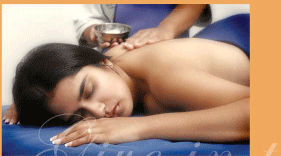 Q: Looking for Low-Cost Massages?
Part of my New Year's resolution was to keep my stress level down, and massage works great for me. The problem is I can't afford massage on a regular basis. Are there any secret bargains in bodywork?
A: Massage is wonderfully relaxing and a great way to counter stress. It is also therapeutic. Research has shown that massage can improve breathing in asthmatic children, lower levels of stress hormones in AIDS patients and help relieve tension headaches caused by contracting head, neck or facial muscles.
But you're right: massage can be costly. My medical partner, Dr. Brian Becker, originally trained as a massage therapist. He tells me there?s a longstanding joke that the stress of working to pay for a massage keeps many people from relaxing on the table. To enjoy the benefits of massage on a budget, he suggests the following.
Weekend courses/workshops: This is the short version of sending your spouse or significant other to massage school. Weekend workshops are often set up for couples, and the basics of massage can be learned in a few sessions. The better courses are taught at formal schools of massage, but there are many excellent instructors out there.
One of the best ways to learn to give a massage is to receive them, and then practice the techniques on yourself or a friend. You can visit the website of the American Massage Therapy Association (www.amtamassage.org ) to find an accredited school near you. Also check this site for weekend classes or instructor referral.
Massage clinics: These can be a real bargain if you live near a school where massage therapists are trained. Prices for a massage at a clinic depend on whether you request a professional, a graduate or a student therapist. A licensed therapist will probably cost you about $60 an hour, but you may be able to pay about half of that if you're willing to let a student practice on you.
Along with working in the clinic, many formal schools of massage therapy also require therapists to log independent massages as part of their training.
These students are out there looking for bodies to practice on, and often cannot charge a fee as they are not yet licensed. Some student practitioners are outstanding, and supporting a student through school with a tip for the practice time may earn you a discounted rate after he or she graduates.
Self-massage: Massaging your own muscles costs you nothing, and with good technique can be quite effective.
Massage therapists frequently use a tennis ball for those hard to reach places on their own backs and shoulder blades. Along the same line is the Healthy Body Ball (www.healthybodyball.com).
This is a self-massage tool you can use to access trigger points just about anywhere. Designed by a massage therapist, it looks like a ball with protruding circular nodules that resemble fat, round, blunt spikes. You put the ball between your body and the floor or a chair back and move against it to get your "massage."
Bargaining or Bartering: The cost of massage therapy isn't necessarily carved in stone, particularly if your therapist is a solo practitioner. You could always ask for a quantity "discount" if you're willing to commit to a series of massages. Or, you may be able to barter - trade your services, expertise, or discounts on products you sell for massages or for a break in the price.
Explore Other Ways to Unwind: Even people who can afford it usually don't have time for regular massages. Try breathing exercises, progressive relaxation, visualization, meditation or exercise as inexpensive alternatives to relieve stress.
Andrew Weil, M.D.
Biofeedback Benefits?
Q: Biofeedback Benefits?You often recommend biofeedback. Can you explain how it works and what it is used for?
A: Biofeedback is a learned mind/body technique that enables you to influence supposedly involuntary physical functions such as blood pressure, heart rate, muscle tension, and brain waves. During a biofeedback session, a therapist attaches electrical sensors to parts of your body.
The sensors monitor functions such as heart rate variability, blood pressure or muscle tension and translate the information into sound or a flashing light - something you can perceive directly. For example, a temperature sensor on your finger can translate skin temperature into a beep tone that you can hear - the higher the skin temperature, the faster the rate of beeping. With that kind of "feedback" from your body, you can learn to warm your hands by raising your skin temperature.
In doing this you learn to relax the pathways of the sympathetic nervous system that constricts blood vessels. The same pathways can also be used to control the fight-or-flight response, so by relaxing them you achieve a general relaxation response. This is a good thing.
Biofeedback can also be used to control brain activity, muscle tension, and heart rate and is used to help treat a wide range of health problems including asthma, irritable bowel syndrome, migraine headaches, epilepsy, hot flashes and the nausea and vomiting associated with chemotherapy. It has been approved by the National Institutes of Health for complementary treatment of chronic pain and insomnia.
I often recommend biofeedback for treatment of migraines, high blood pressure, cardiac arrhythmias, ulcers, chronic gastro-intestinal problems, Raynaud's disease and unconscious grinding of the teeth. To find out how effective biofeedback is for treatment of specific health problems, visit the Web site of the Association for Applied Psychophysiology and Biofeedback (http://www.aapb.org/).
To find a certified practitioner, visit the Web site of the Biofeedback Certification Institute of America (http://bcia.affiniscape.com/ ). Computer compatible versions of biofeedback training, such as "The Journey to Wild Divine," are also readily available for home use.
Andrew Weil, M.D.
Monday, September 11, 2006
Children's Health
 Children's Health
In this section many common questions related to children’s health are explored.
Contrary to popular belief, children are not "little adults," and the approaches to their health conditions are often markedly different than those used for grown-ups.
The rapid changes that occur during growth and development require special consideration in choosing both treatments and medications.
In some cases, specific treatments have not been well studied in children, but the majority of childhood health concerns are those that parents have been asking about for many generations, and the solutions are tried and true. Information on other childhood conditions can be found in the QA archives.
- Acupuncture
- Attention Deficit Disorder
- Asthma from Exercise
- Bedwetting
- Broken Bones
- Carsickness
- Colicky Babies
- Constipation
- Ear Infections
- Early Puberty
- Fluoride
- Food Coloring
- Head Lice
- Overweight Kids
- Sore Throat
- Teething
- Toy Safety
- Vitamins
Acupuncture
In the United States, acupuncture hasn’t often been used to treat children, mainly because youngsters tend to be afraid of needles.
But several recent studies have suggested that this fear can be overcome and that children can benefit from acupuncture treatment for certain conditions.
The latest study on this subject was conducted at the Harvard-affiliated Children’s Hospital in Boston by Yuan-Chi Lin, MD, an anesthesiologist who specializes in pain management in children. Dr. Lin’s study included 243 youngsters ranging in age from six months to 18 years who were being treated for headaches, stomachaches, back pain and other chronic complaints that often caused them to miss school.
When the study began, the young patients rated their pain as an "8" on a scale of 1 to 10. (One of Dr. Lin’s methods of demonstrating to the kids that the needles won’t hurt is by inserting them first in the children’s parents.)
When the year-long study was over, the average pain rating among the youngsters was a "3." The kids also reported missing less school, sleeping better, and being more able to participate in extracurricular activities as a result of treatment.
In an earlier study at the same hospital, 70 percent of the 47 youngsters participating reported that acupuncture helped relieve their pain and 59 percent of their parents agreed.
The conditions for which these patients were treated included migraines, endometriosis in teenage girls, and reflex sympathetic dystrophy (a syndrome in which pain becomes chronic after an injury).
In this study, 15 children were age 12 or under while 32 were between 13 and 20 years old. Other studies have looked at acupuncture as a treatment for attention deficit hyperactivity disorder and cerebral palsy in children.
While not many acupuncturists specialize in treating children, Dr. Lin estimates that about a third of pediatric pain centers nationwide now offer acupuncture to their young patients.
Acupuncture is best used for pain reduction as part of comprehensive treatment that includes relaxation techniques, clinical hypnosis and various forms of bodywork.
Attention Deficit Disorder
Ritalin, a stimulant, remains the most common treatment for Attention Deficit Disorder (ADD), also called Attention Deficit Hyperactivity Disorder (ADHD). Paradoxically, with ADHD the drug has a calming effect, apparently because it stimulates parts of the brain that regulate activity and attention.
While it can have excellent results in some cases, it is greatly over-prescribed.
There currently is no herbal treatment for ADHD, except possibly coffee, which may work like Ritalin for some patients.
Pediatrician Sandy Newmark, M.D., of Tucson, Ariz., confirms that no herbs have been found effective for treating the main or "core" symptoms of ADHD — that is, lack of focused attention that often leads to poor school performance. And he doesn’t think coffee is a good long-term solution. However, Dr. Newmark notes that herbs can help with some of the associated symptoms. For example, valerian tea can help youngsters with sleeping problems and St. John's wort can help relieve depression. For children under 12, use half the adult dosage.
Dr. Newmark does recommend a dietary supplement, omega-3 fatty acids, for all children with ADHD because levels of omega-3s in the plasma and red blood cells of children with ADHD are lower than in normal children. He also recommends that youngsters with ADHD take a quality multivitamin as well as a good probiotic, a product that contains "friendly" bacteria that can stabilize the digestive tract. You can find milk-free brands in health-food stores.
Make certain that the underlying cause of your child’s disruptive behavior really is ADHD, and that he or she isn’t acting out difficulties at home or expressing frustration with a learning disability. Be sure to rule out hearing or vision problems, allergies, depression or even boredom in a gifted child.
As far as foods are concerned, while there’s no evidence that a dietary approach helps in all cases, a 1993 Cornell University study found that eliminating dairy products, wheat, corn, yeast, soy, citrus, eggs, chocolate, peanuts, artificial colors and preservatives seemed to decrease ADHD symptoms. An even earlier study showed that a low-allergen diet supplemented with calcium, magnesium, zinc and vitamins produced favorable results.
Asthma from Exercise
Exercise can trigger asthma symptoms in children and adults – even those who don't otherwise suffer from the condition - and can aggravate the problem in up to 80 percent of those who do have asthma.
The symptoms – coughing, wheezing, shortness of breath or tightness in the chest – usually come on after exercise, although they can occur soon after exercise has begun. It can be treated with medication and by taking precautions to prevent or minimize symptoms. Here’s a rundown of medication options, provided by pediatrician John Mark, MD, an assistant professor of pediatrics at the University of Arizona who treats asthma in both adults and children.
Albuterol – A short-acting bronchodilator that’s inhaled 15 to 20 minutes prior to exercise and that protects against symptoms for about four to six hours.
Salmeterol – A long-acting bronchodilator that’s inhaled twice a day which offers protection for up to 12 hours. You can also use salmeterol as a preventive before you work out.
Montelukast (Singulair) – A drug that blocks the action of leukotrienes in the lungs, resulting in less constriction of bronchial tissue and less inflammation. Leukotrienes are one of several classes of chemical messengers produced in the body that can trigger bronchial constriction and inflammation. Montelukast is available in pill form and is taken the night before you exercise.
Cromolyn (Intal) – An anti-inflammatory drug inhaled 15 to 20 minutes before exercising that prevents the release of histamines and leukotrienes. It’s most useful in asthma when an allergic component is present.
In addition to medication, the following approaches can help prevent or minimize symptoms:
A very slow warmup. Even to the point that your child reports the beginning feelings of the "tightness" associated with exercise-induced asthma.
Then your child should stop and stretch, or slow down if exercising vigorously. By taking this break, the development of asthmatic symptoms can often be blocked and a normal pace can be resumed. This may take some getting used to, but can sometimes eliminate the need for medication.
Try breath work. The most effective approaches are pranayama techniques – breath control exercises taught in some yoga classes for adults. You can have your child do these after the initial warm-up, again, when the symptoms are almost felt. For most children, you can start with Dr. Weil’s technique for "The Relaxing Breath."
Find a form of physical activity that minimizes exercise-induced symptoms. Sports or activities that have intermittent rest periods (such as tennis, softball and golf) can allow your child to regain control of his or her breathing. Swimming may be better than running outdoors in cold weather, but no type of exercise is off-limits with proper treatment. In fact, some of the world’s top athletes have exercise-induced asthma, and they’re still able to compete successfully in Olympic-level events.
Bedwetting
Although by age 8 most youngsters have outgrown bedwetting, a sizeable minority still haven’t. As a matter of fact, 5 to 10 percent of boys still have enuresis (the medical term for bedwetting) by age 10. Enuresis tends to run in families and, when this is the case, children usually outgrow it at the same age as the parent, sibling or other relative who had the problem did.
No one knows what causes bedwetting, although it is sometimes associated with constipation. If so, simple dietary changes such as eating more fruits and vegetables and drinking more water early in the day can help resolve matters. Pediatrician Sandy Newmark, MD, of Tucson, Ariz., suggests making sure that children aren’t drinking any beverages that contain caffeine (such as some sodas) and trying to limit (within reason) the amount of fluids they drink in the evening.
Dr. Newmark explains that an "enuresis alarm" is the most simple and effective intervention for youngsters. This device is a wristwatch with a sensor that is attached to pajamas so that the alarm sounds at the first sign of wetness.
This system eventually conditions a child to wake when the bladder is full. Dr. Newmark says that the alarms work in about 70 to 80 percent of children. They are available at most drugstores and cost about $50. Be patient with this system since it can take weeks, and sometimes months, to see results.
If the alarm doesn’t help, Dr. Newmark suggests trying hypnosis as a safe and effective treatment. While some pediatricians prescribe drugs for children who wet the bed, using medication is controversial and should be viewed as a last resort. Homeopathic remedies also may be effective; consult a homeopathic practitioner if you want to try this approach.
Broken Bones
Results of a recent study at the Mayo Clinic in Rochester, Minn., suggest that the rate of wrist and forearm fractures among young girls has increased dramatically in the last 30 years. The study results, published in the Sept. 17, 2003, issue of the Journal of the American Medical Association showed that the fracture rate for young girls increased 56 percent from 1969-1971 and 1999-2001.
Boys still suffer more fractures, but the rate of increase among young boys was only 32 percent. Overall, the Mayo Clinic researchers found that the fracture rate among young people had increased 42 percent over three decades.
The researchers had no answers for why this is happening. It is unlikely that youngsters are breaking more bones because they’ve become more physically active. One possibility is that kids may not be getting enough calcium during a period when their bones are growing rapidly.
If so, their bones may never become as dense as they should, which raises the possibility that affected youngsters may be more vulnerable later in life to osteoporosis and hip and vertebral fractures.
The researchers noted that government surveys have shown a decrease in milk consumption among older girls and an increase in consumption of carbonated drinks. The phosphates in carbonated beverages interfere with calcium absorption.
The RDA for calcium is 1,300 mg for young people age 9 to 18. This translates to 4-5 servings of dairy per day, but kids don’t have to drink milk to get their calcium. Other good sources include yogurt, cheese, sea vegetables, collard and mustard greens, kale, bok choy, broccoli, canned salmon and sardines, tofu that has been coagulated with a calcium compound, calcium-fortified soy milk, fruit juice and blackstrap molasses.
Other experts have noted instances of vitamin D deficiency that could contribute to weakened bones. Our bodies make vitamin D with exposure to sunlight, and youngsters who spend too much time indoors may not produce optimal amounts of vitamin D. Spending 10 minutes in the sun without sunscreen a few days each week will do the trick, but it is not a bad idea for kids 12 and older to take a multivitamin supplement that includes 400 IU of vitamin D.
Carsickness
Carsickness, like all types of motion sickness, occurs when the brain receives conflicting signals from the inner ears, eyes, and other parts of the body that sense motion. A child sitting in the back seat of a car may sense movement – her inner ear perceives the motion – but she may not be able to see out the window to see that she is moving. At the same time, her perception is that her body isn’t moving at all. In some children, these conflicting messages can result in very distressing nausea.
One effective remedy for motion sickness comes from an old Chinese fisherman’s remedy of stimulating the acupressure points that control nausea. The updated version of this treatment is done with wristbands equipped with a plastic peg that presses on acupressure points on the inner surfaces of the wrists. The wristbands are available at most drug and health-food stores. Follow package directions carefully – proper placement of the wristbands is critical.
Motion sickness can also be prevented (and treated) with ginger. Mix a half teaspoon of ginger powder in a glass of water and give it to your child 20 minutes before you get in the car. Or give your child two capsules of powdered ginger.
This remedy has proved more effective than Dramamine – with none of the drowsiness that can occur as a side effect of the drug. Ginger snaps, ginger ale and candied ginger can all help with mild nausea, so keep some in the car should someone develop symptoms during the trip. You also could explore homeopathic remedies – and possibly hypnosis – as a long-term solution.
The American Academy of Pediatrics suggests trying to deal with carsickness in children by focusing youngsters’ attention away from their queasiness. Listen to the radio or tapes, sing or talk. Also, direct their attention at things outside the car, not at books or games. Make sure that they look out the front windows, where apparent motion of objects is less.
Colicky Babies
First, exclude other reasons for the baby’s crying. Make sure the infant isn’t running a fever, isn’t lethargic, is eating normally and isn’t having any trouble breathing. Your pediatrician will also want to exclude GERD (gastroesophageal reflux disease), which can occur among babies (although it is much more common among adults).
The good news about colic is that what you see is what you get – a fussy, crying but otherwise perfectly healthy baby. Some doctors think that this irritating phase may be part of normal development. Between 5 and 28 percent of infants develop colic between when they are two to six weeks old, and usually outgrow it by the time they’re three to four months old.
Here are Dr. Russell Greenfield’s suggestions for dealing with colic – and with the frustration it can breed among parents:
- Try massage therapy, a great way to enhance bonding between parent and child at a time when colic may be interfering with the bonding process.
- Rock your baby rhythmically.
- Turn on music or try the clothes dryer or vacuum cleaner. Sometimes the white noise they produce helps.
- Try cranial osteopathy or homeopathy; both may help and are safe forms of treatment.
- Try herbal remedies such as cooled chamomile or fennel tea. You can get tea bags at the health food store and give the baby one to two ounces at a time, no more than three to four ounces per day.
- Switch to a cow’s milk-free formula, or, if breast feeding, change the mother’s diet to affect what is entering her breast milk (in some cases, a food sensitivity may play a role).
Swaddle your baby – it provides a nice snug feeling. - Chill – find a way to relax; try breathing exercises or other relaxation techniques to lower your frustration level.
By the way, the latest international report on colic comes from a Canadian study that found that mothers don’t appear to sustain any lasting psychological effects as a result of dealing with a colicky infant.
Constipation
Constipation is a common problem for children and usually is temporary. Strictly speaking, a child is constipated if he or she has fewer than three bowel movements per week or if the stools are hard, dry, and unusually large or difficult to pass. Because constipation can make bowel movements painful, youngsters may try to avoid having them. (In addition, about 60 percent of constipated children experience recurrent abdominal pain, a common stress-related condition in youngsters.)
The causes of constipation in kids usually are simple and relatively easy to correct: not enough fiber in their diets, not drinking enough liquids or not getting enough exercise. Then, too, constipation can occur when youngsters ignore the urge to have a bowel movement, which they can do for reasons ranging from not wanting to take a break from playing to embarrassment at using a public bathroom or because a parent isn’t around to help when the urge occurs.
Medication can also be a factor. Those that can cause constipation include aspirin and codeine, vitamins with high doses of iron, the bismuth in Pepto-Bismol, as well as some chemotherapy agents (vincristine) and some psychiatric drugs (imipramine).
Sandy Newmark, MD, a pediatrician at the University of Arizona Program in Integrative Medicine, recommends the best ways to deal with constipation in young children, listed here:
Decrease dairy products: They can be constipating. Provide your child with an alternative source of calcium such as soy milk fortified with calcium or a calcium-fortified breakfast cereal.
Increase fluids: Encourage your child to drink lots of water.
Increase fiber: Give your child lots of high-fiber fruits and vegetables as well as high-fiber cereals, whole-grain breads and beans.
Although these measures probably will do the trick, if a child’s episodes of constipation last longer than three weeks and prevent him or her from participating in normal activities, you might want to consult a pediatrician. Don’t be tempted to administer the over-the-counter laxatives designed for children. They can be dangerous to youngsters and should be given only under the direction of a pediatrician.
Ear Infections
Recurrent ear infections can be troublesome during early childhood. Here are two strategies:
Eliminate milk and milk products from your child’s diet for at least two months. This means avoiding all dairy products as well as other foods containing milk in any form. Soy, rice, and nut milks such as almond milk are all right. The protein in milk, casein, is often associated with recurrent ear infections in early life as well as with sinus conditions, eczema, chronic bronchitis, and asthma.
Try cranial osteopathy. It is another good treatment for recurrent ear infections. When performed by a skilled practitioner, this technique can often end cycles of ear infections, sometimes with a single treatment.
The late Bob Fulford, D.O., a leading practitioner of cranial osteopathy, had great success curing recurring infections in young children. He believed that fluid stagnation in the middle ear – caused by restricted breathing – was at the root of the trouble.
Gentle manual manipulation (and sometimes application of a vibrating instrument known as a percussion hammer) opens up breathing, which in turn helps fluid drain from the middle ear. To find a practitioner of cranial osteopathy, send a self-addressed stamped envelope to the Cranial Academy, 8202 Clearvista Parkway, #9D, Indianapolis IN 46256. At the University of Arizona, researchers are now concluding a study funded by the National Institutes of Health's National Center for Complementary and Alternative Medicine on the use of both cranial therapy and Echinacea to break cycles of recurrent childhood ear infections.
Early Puberty
In the United States, there's a virtual epidemic of precocious puberty these days – the onset of puberty at very young ages in both boys and girls. Among Caucasian girls today, 1 in 7 starts to develop breasts or pubic hair before she is 8 years old. Among African-American girls, the number is 1 out of 2! Unfortunately, no one knows why this is happening, although there's plenty of speculation. Precocious puberty can be triggered by tumors in the pituitary gland, hypothalamus, ovaries, or testicles, but these cases are rare. Environmental factors are more likely to blame for the upsurge in cases today. The theory with the most scientific support is that obesity is responsible. I think this may be true, since we've long known that overweight girls mature physically earlier than thin ones.
Research also has suggested that environmental pollution may play a small role. In the spring of 2000, results of a study reported in the Journal of Pediatrics showed that boys exposed to DDE (a breakdown product of DDT) were heavier than their peers, while girls exposed to PCBs were heavier than their peers and tended to reach puberty a bit sooner, even though the actual numbers involved in the study were not deemed statistically significant. (Both DDT and PCBs are chemicals that appear to interfere with the body's own hormones.) Researchers are also looking at other environmental chemicals – among them Bisphenol A (BPA), used in manufacturing plastic – but so far haven't found a definitive link.
Unfortunately, there's not a lot to offer in terms of treatment and no natural remedy that I can suggest. Since it's occurring so often these days, some physicians believe that precocious puberty in girls between the ages of 6 and 8 should be seen as normal and not treated at all. (We do know that the risk of breast cancer later in life increases with an earlier onset of puberty.) The only approved allopathic treatments are two drugs: Gonadotropin-Releasing Hormone, GnRH, and Luteinizing Hormone-Releasing Hormone, LHRH, both given by daily injections or at intervals of every three to four weeks. These drugs interfere with the hormonal changes responsible for precocious puberty, in effect putting them on "hold" until the child reaches a more appropriate age (typically between the ages of 11 and 13 in girls). The drugs may also reverse the changes that already have taken place.
The physical changes are only one aspect of what girls must contend with as a result of precocious puberty. Because they look like young women, they're often treated as if they were much older than they are by boys (or men who should know better) and may also be teased by friends and at school. If you are a parent with a child in the midst of precocious puberty, you must keep the parent-child lines of communication open. Make sure that your child understands that despite the change in her appearance, he or she is still a child.
Fluoride
The only children who need fluoride supplements of any type are those who live in communities without fluoridated water supplies or in homes with water purifiers that remove minerals. The easiest, most efficient and most cost-effective means of making sure that children have adequate fluoride to protect against tooth decay is to support fluoridation of your area's water supply.
If your community's water is not fluoridated, your child will need dietary fluoride supplements which are available only by prescription from your dentist or physician. To protect against tooth decay, children need fluoride on a daily basis from the age of 6 months to 16 years. (Pregnant women take fluoride supplements beginning in the sixth month of gestation to ensure strong tooth development in the fetus – check with your obstetrician about this.) The correct dosage for your child must be calculated on the basis of the natural fluoride concentration of your local drinking water as well as your child's age, and the extent of his or her exposure (if any) to other sources of fluoride, such as toothpaste or commercial products.
Some fluoride is present in all water sources, but according to the American Dental Association, most bottled waters don't contain enough to prevent tooth decay. Fluoridation of community water supplies involves adjusting the fluoride content to the optimal level for dental health, 0.7 to 1.2 parts fluoride per million parts water. Too much fluoride can be bad for children's teeth, just as too little is bad. An excess of fluoride can lead to mottled, chalky, white spots on the teeth. Other health risks include weight loss, brittle bones, anemia and weakness. Be aware that there are conflicting reports that continue to fuel the controversy over fluoridation. Yet at proper levels, fluoride is of immeasurable benefit to the teeth – during childhood and throughout life.
Food Coloring
We are seeing more and more strangely colored foods and snacks, but as a precaution, keep children – and adults – away from foods with artificial colorings. The danger is that the chemicals used to create color are energetic molecules, many of which are capable of interacting with and damaging DNA. Anything that damages DNA can injure the immune system, accelerate aging, and increase the risk of cancer. Indeed, many synthetic food dyes once considered safe have turned out to be carcinogenic. Some approved for use in Europe are considered unsafe in the United States, and vice versa.
Dyes are added to foods for the convenience of the manufacturer, not for the health of the consumer. Luckily, these are among the easiest types of food additives to avoid. Try to convey to your children that garishly colored snack foods are weird and unhealthy – rather than attractive – and make it a rule not to buy them. Watch out for labels that list any of the following terms: "color added," "artificial color added," "U.S.-certified color added," or "FD&C red No. 3" (or green or blue or yellow followed by any number; these are FDA-approved food drug and cosmetic dyes).
There is nothing wrong with foods dyed with natural colors obtained from plants. The most common, annatto, is from the reddish seed of a tropical tree. It is widely used in Latin American cooking to make yellow rice and breads, and is also commonly added to butter and cheese to make them yellow or orange. Other safe food colorings are a red pigment obtained from beets, a green one from chlorella (freshwater algae), caramel, and carotene from carrots.
Definitely keep your kids away from bright green ketchup, a product designed specifically to appeal to youngsters.
Head Lice
Head lice are a common nuisance of childhood. Kids pick them up from someone who already has them by wearing each other’s hats, scarves, hair ribbons and other clothes; sharing combs, brushes or towels; or lying on a bed, couch, pillow or even cuddling a stuffed animal that belongs to a child who has lice. Try to discourage this kind of sharing, particularly if you hear that there’s an infestation at school, at a day care center, or wherever your children spend time.
The conventional treatment is one-percent lindane, sold as Kwell lotion. Yet lindane is a cousin of DDT and can harm the nervous system. Natural and safer alternatives include one-percent permethrin cream rinse, sold as Nix and Neem, which is derived from a tree in India. Lice can develop resistance to permethrin products, and they can aggravate asthma in some children, but both are relatively nontoxic. (Neem is sold in garden shops.)
Some California school systems are using a new product called Lice B Gone, a non-toxic, multi-enzyme shampoo made from plant sources that seems to get rid of lice in a single application. It works by softening the glue that holds the nits (lice eggs) to the hair shaft and also dissolves the exoskeletons of adult lice. Since it contains no pesticides, Lice B Gone is considered safe for pregnant women, nursing mothers, young children and people with asthma.
Overweight Kids
You'll probably be happy to hear that not all children who are heavy grow up to be overweight adults. However, we do have an epidemic of childhood obesity in the U.S., and all parents should be aware that for every year that a child remains overweight, his or her chances of growing into an overweight adult increase.
Aside from eliminating sodas or junk food at home, look to physical activity as a way to help your child lose weight. Try for at least half an hour of physical activity each day. Unfortunately, only 25 percent of school-aged children now take physical education classes. If your child doesn't get any exercise at school, it's up to you to make sure he or she does some type of physical activity at home.
Here are some approaches to add exercise to your child's life as well as foods that will help control his or her weight:
Curb screen time. Limit the time your child spends watching television, sitting at the computer or playing video games.
Set a good example. Studies have found that children are more likely to be physically active if their parents and siblings are active, and if they're encouraged to take part in physical activities. Take family walks, hikes or bike rides on a daily basis, if possible.
Emphasize nutritious foods. Don't limit the amount your child eats, but make sure the foods he does eat are low in fat and high in fiber. When making these changes, say that you're doing it for the entire family to avoid drawing attention to your child's need to lose weight.
Eat meals together. Family breakfasts and dinners give you more control over what your child eats and allow you to make sure that everyone gets at least two nutritious meals per day.
Think about drinks. Cut back on fruit juices, sodas and whole milk. Drinks can provide a surprisingly large number of calories per day.
Teach a relaxation technique. If your child eats in response to stress, you might show him how a relaxation technique such as deep breathing can help to calm him.
Sore Throat
The most important thing parents can do when children develop sore throats is to make sure that the problem isn’t strep, a bacterial infection that requires antibiotic treatment. Strep is diagnosed via a throat culture. (Or a rapid strep test, which takes only 10 minutes but is not as accurate.) While the results may not be available for a few days, a doctor often can tell on the basis of observation whether strep is the likely problem and begin immediate treatment with penicillin. The sore throat usually eases in 24 to 48 hours.
Besides a very sore throat, symptoms of strep often include fever, swollen and tender lymph glands under the jaw, and a swollen and marked redness at the back of the throat that may have white dots. Those symptoms don’t always mean strep, but they often do. (Another clue: suspect strep when there are none of the typical symptoms of a viral infection such as a cough, runny nose, hoarseness and eye irritation.)
It is very important to treat strep throat with antibiotics as soon as possible, because in rare cases it can lead to an autoimmune reaction – rheumatic fever – that can affect the joints, heart and kidneys.
To reduce your child’s susceptibility to sore throat, try to build up his or her immune system by administering a course of the Chinese herb astragalus (Astragalus membranaceous) during cold and flu season. You can get astragalus in tincture form or in capsules at the health-food store. Administer one half the adult dose. This herb is safe for regular use.
If your child can gargle, give her a mixture of half hot water and half hydrogen peroxide to use several times a day. Gargling with warm salt water (one-quarter teaspoon salt to one cup of warm water) is also soothing.
Teething
In many infants, the process of teething is painless, causing only some increased drooling and a desire to chew. However, some infants develop tender, swollen gums, may not sleep or eat well, and may run a low fever (under 100 degrees). A fever above 100 degrees or diarrhea suggests problems unrelated to teething.
Here are some recommendations to keep a teething baby comfortable:
Wipe the drool off your baby’s face with a soft cloth (to prevent rashes).
Rub the baby’s gums with a clean finger.
Let your baby chew on a wet washcloth that has been placed in the freezer for 30 minutes (wash it after each use). Alternatively, use a cool spoon or rubber teething ring (take it out of the freezer before it gets so hard that it bruises the tender gums).
Never tie a teething ring around a baby’s neck – it could get caught on something and strangle the child.
Homeopathic teething tablets are a good option. Many parents tell me they have used them successfully to relieve the minor discomforts of teething in their babies.
Toy Safety
Look over the toys you have at home to see if they are age-appropriate for your children. In general, this means making sure they aren't too advanced for the youngest child, but sufficiently sophisticated for the older ones. Homes with infants or toddlers should make sure all toys (and their removable parts) are large enough so they can't be put into a child's mouth and become a choking hazard. (An easy test: A child can choke on any object that fits inside the tube from a roll of toilet paper.)
Parents or grandparents should also be aware that over the last two years toy manufacturers have recalled teethers, rattles, and other products that contain a cancer-causing chemical called diisononyl phthalate (DINP) from the market. Phthalates are used to soften plastics, but high doses have been linked to cancer in mice and rats. The U.S. Consumer Product Safety Commission has said the amounts that might have been ingested by small children are not high enough to pose a risk, but it does make sense to toss any soft plastic rattles and teethers that you’ve had more than a year – that's when most toy manufacturers agreed to phase out use of the additive.
The following guidelines for toy safety are from the American Academy of Pediatrics and the Consumer Products Safety Commission:
Check the surface and edges of wooden toys. Sandpaper sharp corners and splinters.
Don't give hobby kits, such as chemistry sets, to children younger than 12.
Don't permit children to play with adult darts or other hobby or sporting equipment that have sharp points.
Examine all outdoor toys regularly for rust or weak parts that could become hazardous.
Discard all plastic wrappings on toys before they become deadly playthings.
New toys intended for children under age 8 should be free of glass and metal edges.
Toys with long strings or cords may be dangerous around infants and very young children. Never hang toys with long strings, cords, loops, or ribbons in cribs or playpens where children can become entangled.
Keep toys designed for older children out of the hands of little ones.
Vitamins
Yes, children should take vitamins, mostly because so many kids don’t eat enough fruits and vegetables, and because their diets are often full of processed and refined foods. However, vitamin supplements shouldn’t be substitutes for whole foods, especially fruits and vegetables.
Teach children of any age to enjoy healthy food by involving them in its preparation, even if they’re only in the kitchen to observe. In "The Healthy Kitchen," Rosie Daley and I give a number of ideas for recipes and snacks that kids will like. Also, try to discourage your children from eating too much fast food, processed food, sugar and caffeine (in cola and other soft drinks). There’s no harm in the occasional ice cream, pizza or candy bar in the context of a well-balanced diet, but try to encourage snacking on healthier foods – fresh or dried fruit; a small handful of raw, unsalted nuts such as cashews and walnuts; a piece of flavorful, natural cheese; or a piece of dark chocolate.
As far as supplements are concerned, give children a complete antioxidant formula as well as multiminerals. Be sure to keep the vitamins out of the reach of young children – some supplements for kids taste and look like candy and there is a danger of overdosing, especially when supplements contain iron.
Andrew Weil, M.D.–Author of:
Eight Weeks to Optimum Health
Spontaneous Healing
The Natural Mind
The Marriage of the Sun and Moon
Health and Healing
Natural Health, Natural Medicine
From Chocolate to Morphine (with Winifred Rosen)
Saturday, September 09, 2006
New Drug Treats Premature Ejaculation
(HealthDay News) -- A new antidepressant drug designed specifically to treat premature ejaculation proved safe and effective in two large trials, researchers report.
However, it's not likely that dapoxetine, a short-acting selective serotonin reuptake inhibitor (SSRI), will win U.S. approval anytime soon because it can produce side effects, one expert said.
SSRIs, which are used to treat depression and other psychiatric disorders, are now also used "off-label" as a treatment for premature ejaculation. They work because one of their side effects is to delay ejaculation. But, continued SSRI use can have some negative side effects, such as psychiatric problems, skin reactions, weight gain, and loss of libido, experts said.
"This is the first drug specifically developed for premature ejaculation," said lead researcher Dr. Jon L. Pryor, a professor and chairman of urologic surgery at the University of Minnesota. "It worked both in lengthening ejaculation time and in patients' feeling control over ejaculation and both subjects' and partners' feelings of satisfaction with intercourse," he said.
The findings are published in the Sept. 9 issue of The Lancet.
Premature ejaculation is the most common male sexual problem, even more common than erectile dysfunction, affecting 21 percent to 33 percent of American men.
In the study, Pryor and his colleagues looked at the combined results of two trials that tested dapoxetine. The trials included 2,614 men who had moderate to severe premature ejaculation.
The men were randomly assigned to receive a placebo or different doses of dapoxetine. They were told to take the drug one to three hours before having sex. At the start of the study, the men ejaculated, on average, in less than a minute after penetration.
However, after 12 weeks, men taking dapoxetine increased their time to ejaculation to 2.78 minutes for those receiving a 30-milligram dose, and to 3.32 minutes for those receiving a 60-milligram dose, the researchers found. For men taking a placebo, the time to ejaculation averaged 1.75 minutes.
Pryor thinks this study will get people talking more about the problem of premature ejaculation. "I hope this paper brings premature ejaculation out of the closet," he said. "I hope it allows for mature discussion about it, and that people realize that there is hope."
One expert familiar with dapoxetine thinks the drug has promise but will not be available in the United States.
"The problem is that dapoxetine was presented to the U.S. Food and Drug Administration last year, and they rejected it out-of-hand as a treatment for premature ejaculation," said Dr. James Barada, director of the Center for Sexual Health in Albany, N.Y.
The drug can produce side effects such as nausea, headache, upset stomach and weakness. It is being released in Europe, Barada said.
"Premature ejaculation is a real clinical condition that causes distress for the man, his partner and especially the relationship," he added. "Because we have no approved therapy, we are at somewhat of a loss to treat it. For many years, we have been using off-label therapies -- SSRIs -- because of the side effect they have of delaying ejaculation."
Doctors can still use SSRIs, Viagra, and psychotherapy to treat the problem, Barada said. "We need to get better research to understand the mechanisms of premature ejaculation and hopefully design a medicine that has good efficacy and safety that is not an SSRI," he said.
More information
The U.S. National Library of Medicine can tell you more about premature ejaculation.
more information abour the products:
http://www.kamarani.com/index.htm?aff=dreddyclinic
Tuesday, August 29, 2006
Overcoming Addictions?
Q: I am addicted to alcohol and caffeine and am ready to go cold turkey off of both. Can you suggest any natural supplements that would help with cravings/withdrawal?-- Carola Gregg
A: Congratulations on your determination to overcome your addictions. We all know about the addictive potential and side effects of drinking too much alcohol, but few people realize the negative effects of dependence on caffeine. Over-stimulation from caffeine, especially coffee, provokes anxiety, interferes with restful sleep, and significantly irritates the urinary, gastrointestinal, and other systems of the body. So again, I applaud your efforts.
I would recommend withdrawing from caffeine first. Compared to alcohol – and tobacco – caffeine is a much easier habit to break. But to succeed, you should plan ahead. Give yourself three days to do it. Arrange to keep yourself distracted and comfortable and anticipate that you probably won’t have much energy for the duration. You’re also liable to develop a distinctive throbbing headache. You can take aspirin for it, but avoid Excedrin and other pain relievers that contain caffeine.
Giving up alcohol can be much more difficult depending on how much you drink. "Too much" usually means more than two drinks per day for men and more than one drink per day for women (twelve fluid ounces of regular beer or five ounces of wine or 1.5 ounces of 80-proof distilled spirits) or any habitual use that disrupts your life and routines. Withdrawal symptoms usually begin within 12 hours after you stop drinking and peak 48 to 72 hours later.
Since some of the symptoms - both physical and psychological - can be quite severe, I wouldn’t recommend going cold turkey on your own. At best, you’re likely to be nervous, shaky, anxious and may have trouble thinking clearly. Physical symptoms may include headache, nausea, vomiting, insomnia, rapid heart rate and tremor. At worst, withdrawal can lead to delirium tremens (a combination of confusion and visual hallucination), convulsions, and blackouts, all of which require emergency medical treatment. Severe alcohol withdrawal can be fatal.
If you think your withdrawal is unlikely to lead to severe symptoms, you might use the herb valerian as well as breathing exercises to cope with anxiety. Both acupuncture and hypnosis may help you deal with cravings down the line. And take one B-100 B-complex a day to make up for the B-vitamin deficiency alcoholism can cause. I also recommend the herb milk thistle for liver protection and regeneration. Buy a standardized product and follow the dosage directions on the label. (Everyone who drinks alcohol regularly should be on milk thistle, whether or not they plan to withdraw.)
Before you begin the withdrawal process, discuss your plans with your physician. He or she may recommend a drug rehab facility to get you through it. You also could look for one via SAMHSA, the federally sponsored Substance Abuse and Mental Health Facility Locator (http://findtreatment.samhsa.gov/). I also encourage you to join Alcoholics Anonymous or some other support group. Congratulations and good luck!
Andrew Weil, M.D.
–Author of:
Saturday, July 22, 2006
Health Highlights: May 23, 2006
Here are some of the latest health and medical news developments, compiled by editors of HealthDay: NSAIDs Increase Risk of 1st Hospital Admission for Heart Failure
Commonly used nonsteroidal anti-inflammatory drug (NSAID) painkillers, such as ibuprofen, are associated with a slightly increased risk of first hospital admission for heart failure, says a study in the journal Heart.
The study of more than 228,660 patients concluded that there would be one extra first hospital admission for heart failure for every 1,000 people ages 60 to 84 who take NSAIDs, United Press International reported.
However, the researchers said this could increase to three additional cases per 1,000 among patients 70 and older who have chronic conditions such as high blood pressure, diabetes, or kidney failure.
Overall, 14 percent of patients were taking NSAIDs at the time of their first hospital admission for heart failure, compared with 10 percent of a comparison group of randomly selected people. Half of those admitted to hospital were ages 70 to 79.
The data used in the study came from the General Practice Research Database, which contains the medical records of millions of patients of family doctors in Britain, UPI reported.
-----
Prince Charles, British Docs Differ Over Alternative Medicine
Just hours after a group of Britain's leading doctors and scientists urged the National Health Service (NHS) to stop paying for complementary health therapies, Prince Charles told a meeting of the World Health Organization in Geneva that alternative medicine should be given more prominence in mainstream health care.
In an open letter, the British doctors and scientists criticized public funding of "unproven or disproved treatments" such as homeopathy and reflexology at a time when large deficits are leading to the firing of nurses and to limited patient access to life-saving drugs, The Times of London reported.
They demanded that the NHS pay only for evidence-based therapies.
In his speech, the Prince of Wales said that an integrated, holistic approach was the best way to tackle chronic disease, rather than a "dangerously fragmented" approach that relies on what he referred to as a bio-physical treatment model, The Times reported.
He did note that modern medicine has served humanity well but he said excessive reliance on it had upset natural harmony.
"I believe there is now a desperately urgent need to address the fragile but vital balance between man and nature, through a more integrated approach where the best of the ancient is blended with the best of the modern, and I am convinced this is particularly vital when it comes to the collective health of people in all countries," Prince Charles told delegates from 192 nations.
-----
No Difference Between 2 Anemia Drugs for Cancer Patients: Report
There is no clinically significant difference in effectiveness between two drugs -- epoetin and darbepoetin -- used to manage anemia in cancer patients undergoing chemotherapy or radiation treatment, says a report released Tuesday by the U.S. Agency for Healthcare Research and Quality (AHRQ).
The report said the two drugs show no difference in improving hemoglobin concentration or in reducing the need for transfusion. Both drugs do reduce the need for transfusion by about 20 percent, but there is no evidence that either drug, when added to cancer treatment, improves patient survival.
In addition, there are many unanswered questions about the safety and best use of both drugs, the report said.
"This report is a synthesis of studies performed so far regarding epoetin and darbepoetin, including unpublished findings as well as published reports," Dr. Carolyn M. Clancy, AHRQ director, said in a prepared statement.
"The authors have analyzed and weighed all of the evidence available in order to obtain the fairest possible understanding of these two alternative treatments for managing anemia in cancer patients. In addition, an important role for our comparative-effectiveness reviews is to identify research gaps where new evidence is needed. Their report finds that significant questions remain unanswered about both of these drugs," Clancy said.
-----
U.S. Soldiers With PTSD More Likely to Suffer Poor Health
A year after leaving Iraq, American combat soldiers with post-traumatic stress disorder (PTSD) are more likely to be in worse physical health, experience more pain, and are more likely to miss work than those who don't have PTSD, says a U.S. military survey of nearly 3,000 Iraq war veterans.
The survey found that about 17 percent of the respondents had PTSD symptoms and they were more likely than those without symptoms to report various kinds of pain -- from backaches to headaches -- and gastrointestinal problems such as indigestion and nausea, USA Today reported.
Anxiety may contribute to these physical symptoms, said Dr. Charles Hoge, chief of psychiatry and neuroscience at the Walter Reed Army Institute of Research in Washington, D.C.
He also noted that nightmares, flashbacks and other symptoms of PTSD can interfere with sleep, resulting in a negative impact on health. About 50 percent of the soldiers who reported PTSD symptoms rated their health as fair to poor, compared with about 20 percent of soldiers with no PTSD symptoms, USA Today reported.
The findings were released Monday at an American Psychiatric Association meeting.
-----
FDA Approves Generic Version of Lexapro
The first generic version of Lexapro (escitalopram oxalate), one of the most popular prescription antidepressants, has been approved by the U.S. Food and Drug Administration.
The approval, announced Monday, gives permission to Ivax Corp. of Miami to market 5, 10, and 20 milligram doses of the drug for major depression, The Associated Press reported.
Ivax is part of Teva Pharmaceutical Industries Ltd. of Israel.
The brand name Lexapro is made by New York-based Forest Laboratories Inc. Last year, Lexapro was the No. 2 antidepressant in the United States, with 29.6 million prescriptions filled and sales of $2.1 billion. The drug Zoloft was the leading antidepressant, the AP reported.
Last reviewed: 05/23/2006 Last updated: 05/23/2006
Wednesday, July 19, 2006
Journal Editor Criticizes Authors of Migraine Study
 (HealthDay News) -- The authors of a new study linking migraines with aura to an increased risk for heart woes came under attack Tuesday by the editor of the medical journal that published their research the same day.
The editor-in-chief of the Journal of the American Medical Association criticized six researchers, led by a Harvard professor, for not disclosing that they have done consulting work or received research funding from makers of treatments for migraines or heart-related problems, the Associated Press reported.
The research, published in the July 19 issue of the journal, came a week after the journal announced a crackdown on researchers who don't reveal industry ties.
Dr. Catherine DeAngelis, JAMA editor-in-chief, said her editors did not know about the ties until the AP brought it to their attention.
"We'll get killed," the wire service quotes her as saying, referring to the potential damage to the journal's reputation.
During the past two months, there have been two cases of JAMA authors not disclosing their consulting relationships with drug companies, one involving antidepressants and the other arthritis drugs.
DeAngelis told the AP that she would have added the authors' financial association with the pharmaceutical companies if she had known about them, especially in the latest incident.
Dr. Tobias Kurth, the study's lead author and an assistant professor of medicine at Harvard School of Public Health in Boston, said the researchers were not trying to mislead the journal because they believed their financial ties were irrelevant. The study does not promote drug treatment, he added.
The research found specifically that women aged 45 and older who have migraines with aura are at an increased risk for heart attacks, strokes, angina and death due to cardiovascular disease but that there was no increased risk for women with a history of migraine without aura.
"This study confirmed an association between migraine with aura and stroke that was previously identified, and also demonstrated that migraine was a risk factor for ischemic heart disease as well," said Dr. Richard B. Lipton, co-author of an editorial accompanying the study and director of the Montefiore Headache Center in New York City.
"We expanded it beyond ischemic stroke," added Kurth. "The heart part is new, but it's not a different mechanism. It just shows a higher risk of overall cardiovascular disease."
About 18 percent of women and 6 percent of men have migraine in any given year, with some 28 million Americans suffering from the condition.
Migraine headaches are especially severe and can involve nausea, vomiting, sensitivity to light and sound. In some cases, the event also involves an aura -- visual and sensory "warning signs" just before the attack.
Migraines with auras, which comprise the minority of migraine attacks, have already been linked to an increased risk of ischemic stroke. Their association with other cardiovascular problems has not been established.
To evaluate the risk between migraine (with and without aura) with risk of vascular events, the authors looked at data on nearly 28,000 women aged 45 and older who were participating in the Women's Health Study.
Women who reported having active migraine with aura had about double the risk of major cardiovascular disease and heart attacks, almost double the risk for ischemic stroke and a 70 percent higher risk for ischemic cardiovascular death.
This translated into 18 additional major cardiovascular disease events attributable to migraine with aura per 10,000 women per year.
Women who had migraines without aura did not face increased risk in any of these areas. That's good news, since most migraine sufferers do not experience aura.
"It's important to understand that, for most migraine patients, this is not an issue," Kurth said. "Migraine without aura was not associated with any increased risk of vascular events, and this is the vast majority of migraine sufferers."
The biological mechanisms linking aura and cardiovascular risk remain unclear.
"There's pretty good evidence that migraine with or without aura have separate genetic risk factors," Lipton explained. "One of the migraine-with-aura genes is associated with elevated levels of high blood pressure and other risk factors. So, one possibility is that there's a genetic link between migraine with aura and heart disease."
For women who do experience aura with their migraines, there are some common-sense strategies.
"Over the last 20 years, there has been an enormous emphasis on knowing your risk factors for heart disease and reducing them," Lipton said. "This study suggests that migraine with aura should be added to that list of risk factors, at least in women over 45."
Scientists don't know, however, if treating the migraine itself will decrease the risk.
While researchers search for that answer, women should pay attention to known risk factors.
"Women with migraine with aura should be especially careful about addressing those risk factors that they can modify for heart disease, such as cholesterol and high blood pressure," Lipton said.
"Patients and treating physicians should be particularly cautious about other modifiable risk factors for cardiovascular disease, in particular smoking," Kurth added.
And research needs to confirm the findings in men and in younger women to see if they, too, should heed heightened precautions.
More information
The National Institute of Neurological Disorders and Stroke can tell you more about migraine.
Sunday, July 16, 2006
Medically Unexplained Symptoms: Treatment Developed
The diagnosis of medically unexplained symptoms is a problem that affects millions of people and can tax an already over-burdened health care system, according to Robert Smith, a physician and professor in MSU's Department of Medicine, College of Human Medicine. Smith and his colleagues devised the treatment plan which involves a combination of behavior modification and pharmaceutical treatment, as well as a good dose of improved communication between patient and doctor. Testing this treatment with nearly 100 patients, Smith and colleagues found that nearly half of them showed marked improvement. The findings were published in the July issue of the Journal of General Internal Medicine. "What we did was use what they've learned in psychiatry and the pain clinics, which is cognitive behavioral treatment and pharmacological treatment," Smith said. "We simply adapted it for use by primary care providers. But the centerpiece of all this is the doctor-patient relationship." Medically unexplained symptoms can be frustrating for both patient and physician, Smith said. "We're in a disease-based system and because of that fact, doctors don't particularly like patients with medically unexplained symptoms," he said. "
On the other hand, patients are unhappy because their needs aren't being met." This is where the value of the doctor-patient relationship comes into play, Smith said. "For years we've taught our students the value of this relationship and it really works," he said. "It's about communicating, how to address emotion, how to respond to it, how to be empathetic. We integrated all of that into this treatment." In addition to looking for the root causes of a patient's pain or discomfort, this treatment also calls for the use of medications such as antidepressants, as well as cognitive behavioral therapy that challenges the ways in which patients perceive their illnesses.
In this study, people with medically unexplained symptoms averaged 13 visits to primary care providers per year, many of those visits being to a hospital emergency room. The most common symptoms are back pain, headache, fatigue, as well as musculoskeletal, nervous system and gastrointestinal complaints. "Medically unexplained symptoms are common and costly," Smith said. "A patient's symptoms just won't go away, so a doctor orders more tests or gives more medicine or even operates on the patient. Pretty soon the patient will actually develop an organic disease as a complication of the drugs or surgery." He said it's important that people who suffer from medically unexplained symptoms realize they are not going to be "cured." "We can help to take the edge off," he said. "The patient may still have some pain, but it doesn't have to interfere with his or her life to the extent that it has in the past."
###
For a copy of the published paper, visit the Web http://www.blackwell-synergy.com/doi/full/10.1111/j.1525-1497.2006.00460.x.
Contact: Tom Oswald Michigan State University
Wednesday, July 05, 2006
Want to buddy up for a 30 day master cleanse?
 Someone who is in it for health benefits, not as a weight loss diet?After my 33 day master cleanse, I felt terrible. I was still getting headaches, body odor, bad breath and food cravings that I couldn't resist (I would have been a mess before if I tried eating any of these foods!).
I started eating chicken in tomato sauce, chilli, corn burritos, etc. Then I suddenly started feeling better: I could eat again, I felt relaxed and feel like great after a bowel movement, whereas before I never understood what people meant that they feel lighter and healthier after a bowel movement. Maybe because there is not compaction inside my intestines and colon to leave me feeling sick, even after I pottie! The master cleanse healed what the liver flushes couldn't. I think the liver flushes are the greatest and if you read my other BLOG posts, you'll see just how much good the liver flush can do, but it couldn't heal everything.
Ten Super Secrets For Weight Loss$9.95  Learn the TOP SECRET Ten Super Secrets for Weight Loss |
Weight Loss Plan Kit$172.80 Includes: Oxy-Powder, Slimirex (180 Count), Weight Loss Secrets Revealed, Ten Super Secrets for Weight Loss |
Tuesday, June 27, 2006
An Overview of Generalized Anxiety Disorder
 Generalized anxiety disorder (GAD) is characterized by six months or more of chronic, exaggerated worry and tension that is unfounded or much more severe than the normal anxiety most people experience. People with this disorder usually expect the worst; they worry excessively about money, health, family, or work, even when there are no signs of trouble. They are unable to relax and often suffer from insomnia. Many people with GAD also have physical symptoms, such as fatigue, trembling, muscle tension, headaches, irritability or hot flashes.
Source: National Institutes of Health
Monday, June 26, 2006
Can You Control PMS?
 Premenstrual syndrome (PMS) is a group of symptoms related to the menstrual cycle. They usually occur in the week or two weeks before your period and go away after your period starts. PMS may interfere with your normal activities at home, school, or work. PMS often includes both physical and emotional symptoms, such as breast swelling and tenderness, fatigue and difficulty sleeping, upset stomach, bloating, constipation, headache, irritability, and anxiety.
Symptoms vary from one woman to another. If you think you have PMS, try keeping track of your symptoms for several menstrual cycles. You can use a calendar to note which symptoms you are having on which days of your cycle, and how bad the symptoms are. If you seek medical care for your PMS, having this kind of record is helpful.
No single PMS treatment has been proven to work for everyone. If your PMS is mild or moderate, a few lifestyle changes can help you feel better:
- Adopt a healthier way of life. Exercise regularly, get enough sleep, choose healthy foods, don't smoke, and find ways to manage stress in your life.
- Try avoiding excess salt, sugary foods, caffeine, and alcohol, especially when you are having PMS symptoms.
- Be sure that you are getting enough vitamins and minerals. Take a multivitamin every day that includes 400 micrograms of folic acid. A calcium supplement with vitamin D can help keep bones strong and may help with PMS symptoms.
- In more severe cases, drugs such as diuretics, ibuprofen, birth control pills, or antidepressants may be used.
- Although PMS does not seem to be related to abnormal hormone levels, some women respond to hormonal treatment. For example, one approach has been to use drugs such as birth control pills to control ovulation. There is also evidence that a brain chemical, serotonin, plays a role in severe forms of PMS. Antidepressants that alter serotonin in the body have been shown to help many women with severe PMS.
Saturday, May 27, 2006
Morning Headache?
 Morning Headache?
Provided by: DrWeil.com
Q: What would cause me to have headaches everyday? I wake up almost every morning with a headache, sometimes feeling a little dizzy throughout the day. Do you have any advice or suggestions? -- Chris Padilla
A: A number of factors can cause daily headaches, but the first one I suggest you explore is your blood pressure. I would recommend getting a general medical checkup with special attention to your blood pressure, but also to rule out any other condition that might be associated with your headaches.
If you snore, be sure to tell the doctor, because morning headaches have been associated with snoring and sleep apnea. Treatment may mean weight loss or use of a Continuous Positive Airway Pressure (CPAP) device worn at night to prevent interruptions in breathing during sleep.
If you get a clean bill of health, you may be suffering from chronic tension or migraine headaches. You're not alone. About four percent of the population has chronic daily headaches, as do 40 to 60 percent of patients seeking treatment from headache centers. In most cases, these headaches are "transformed migraines," meaning that they started out as migraines which became more frequent and more like tension headaches. Some people who have chronic daily headaches have common tension headaches (pain that is mild to moderate, may feel like it is pressing or tightening on the head, and felt on both sides of the head).
These headaches often respond well to massage therapy and stress reduction techniques such as breathing exercises and meditation. In most cases, transformed migraines are due to taking too many painkillers. If you take pain medication (prescription or over-the-counter) for headache relief, your morning headaches may be the result of overnight "withdrawal" from the caffeine and other components commonly found in these medications.
If so, the only solution is to stop taking them. Depending on how long you've been using them, going "cold turkey" can be very difficult and can temporarily lead to even more severe headaches. For this reason, it is best to withdraw from the drugs under the supervision of a neurologist who specializes in treating headaches.
Andrew Weil, MD
Ten Super Secrets For Weight Loss$9.95 Learn the TOP SECRET Ten Super Secrets for Weight Loss |
Weight Loss Plan Kit$172.80 Includes: Oxy-Powder, Slimirex (180 Count), Weight Loss Secrets Revealed, Ten Super Secrets for Weight Loss |
Wednesday, February 22, 2006
Food Can Treat Many Illnesses As Effectively As Drugs
 Science Reveals That Food Can Treat Many Illnesses As Effectively As Drugs
Press Release by: Innovative Healing
Naturopathic doctor, Michael Murray will appear Wednesday, March 15, 2006 as a special guest as a guest on Dr. Liz Lipskis Access to Health Experts interview series to discuss his new book, The Encyclopedia of Healing Foods. Dr. Murray will discuss his work showing that diet plays a major role in both provoking and preventing a wide range of diseases. The presentation will have a special focus on the medicinal properties of food.
During the free one-hour teleseminar Dr. Murray will cover the following topics: using foods to stimulate the bodys natural ability to rejuvenate and heal discovering the role of fiber, enzymes, fatty acids, and other dietary components understanding which food prescriptions will help you safely treat more than 70 specific ailments, including acne, Alzheimers disease, immune system depression, insomnia, migraine headaches, PMS, and rheumatoid arthritis preparing foods safely in order to prevent illness and maximize health benefits Grounded in rigorous scientific research, the Dr. Michael Murrays interview is expected to offer health-conscious eaters scores of valuable food facts. Dr. Murray is known for his ability to make learning about nutrition fascinating, with historical tidbits and discoveries from the laboratory. And he makes practicing it easy and enjoyable, with tips on selecting, storing, and preparing all kinds of healthful foods, plus quick, inventive, and delicious recipes. To attend the free Access to Health Experts interviews visit http://innovativehealing.com. Written and audio transcripts are available for purchase after the event from the Innovative Healing Book Store.
For more information visit
http://innovativehealing.com.
Monday, December 12, 2005
Erectile Dysfunction: Solving a Common Problem
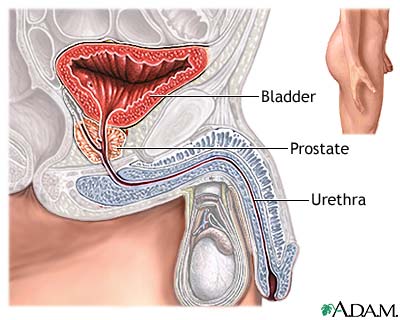 by Leonard DeRogatis, Ph.D.
Many men who suffer from erectile dysfunction (ED) experience a quiet catastrophe. They feel that their sex life, as they have known it, is over. They experience a sense of humiliation and loss of manhood. They also feel quite alone with their problem, as though each one of them is the only man on earth with ED.
It turns out that ED is common among men, particularly as they age. A large-scale study called the Massachusetts Male Aging Study showed that the prevalence of moderate to severe ED ranges from 8 percent at age 40 to nearly 50 percent at age 70. Factors such as diabetes, high blood pressure, heart disease, smoking, and high cholesterol all appear to undermine healthy erectile functioning. Even without these factors, erectile functioning can be a problem if testosterone levels are not high enough.
Fortunately, help is already here. Over the past decade, a class of drugs known as PDE5 inhibitors has given us three drugs to treat ED: Viagra, Levitra, and Cialis. All of these drugs have a good record of effectiveness and help 60 percent to 75 percent of men who take them. These drugs also are quite safe. Side effects experienced by most men include facial redness, stuffy nose, headaches, and some heartburn.
If for some reason a man cannot take one of the PDE5s, there are a number of second-line treatments available. Prostaglandin E1 (alprostadil or MUSE), available in a small suppository form, can be inserted in the penile urethra with a special device and has a good track record. A topical cream version of alprostadil is now in late-stage clinical trials. Alprostadil alone or in combination with several other drugs also is available in a form that is injectable directly into the side of the penis. The effectiveness of the injections is quite good; however, there are concerns about side effects such as penile scarring.
Although pharmacological treatments for ED have a very good track record, keep in mind that some causes of ED are psychological or interpersonal in nature. Drugs can help make the penis functional but they can’t fix a dysfunctional marriage or definitively treat a case of performance anxiety. In such cases, a good sex therapist or couples counselor (in many instances the same professional) can often be very helpful in treating the problem.
If you have ED, don’t let yourself feel isolated and alone with your problem. Ask your doctor for help and, if he or she doesn’t feel comfortable treating your problem, ask for a referral to an expert in sexual medicine. There’s a good chance that your problem is easily treatable, so don’t let potential embarrassment stand in the way of a rewarding sex life.
more information abour the products:
http://www.kamarani.com/index.htm?aff=dreddyclinic
Subscribe to:
Posts (Atom)
Dr. Group's Secret to Health Kit$39.94 Dr. Group's Secret to Health Kit offers simple at-home solutions for cleansing internally and externally thereby reducing toxins, restoring the body's natural healing process, and helping you achieve true health and happiness. |