(HealthDay News) -- The brain circuitry that controls appetite might be wired differently in some people, and that could predispose them to obesity, California researchers suggest.
The study was conducted in rats, not humans, and yet it could ultimately lead to novel obesity treatments, said Philip Smith, director of the Office of Obesity Research at the National Institute of Diabetes and Digestive and Kidney Diseases.
"It is not just about drugs that modify short-term appetite," he said, "there may be drugs that stimulate development of the appropriate neural pathways. So, it is an exciting, but very early, time in this field."
The study was published in the February issue of Cell Metabolism.
Sebastien Bouret, an assistant professor of neuroscience at the University of Southern California, and his colleagues examined neural circuits emanating from the appetite, hunger and body-weight control center of the brain -- the so-called arcuate nucleus of the hypothalamus (ARH) -- in a series of rats bred to be either prone to, or resistant to, obesity.
The team found fewer neural connections projecting from the ARH in obesity-prone animals than in their leaner counterparts. Surprisingly, Bouret said, this deficiency developed very early in life, before the animals became obese, and appeared to extend into adulthood.
"Somehow, these animals are programmed to become obese," Bouret said. "The obesity is hard-wired into the brain."
When the researchers then looked at why the brains of obese rats differed from their normal-weight counterparts, they found that the neurons from obesity-prone animals were less responsive to leptin, a hormone that controls the development of these circuits, and which also signals the body's energy status and controls metabolic rate.
"This paper presumes to say, these animals must be leptin-resistant, and that is why the pathways are not developing," said Smith.
But that doesn't mean they are doomed to a life of severe obesity, said Dr. Barbara Kahn, chief of the Division of Endocrinology, Diabetes and Metabolism at Beth Israel Deaconess Medical Center, in Boston. How they live their lives also matters.
"It is important not to 'blame' the obese person or imply that he/she is responsible for being obese," Kahn noted. "Having said that, reasonable, healthy caloric restriction and a safe and sustainable program of physical activity can help limit weight gain and often bring about some degree of weight loss. In addition, healthy eating and regular exercise can reduce the complications of obesity such as type 2 diabetes and cardiovascular disease."
At the same time, she added, not everyone can wear a size 4.
"There is a certain aspect of genetics that sets somebody in a certain range of possible body weights, and then how that person lives his or her life will determine whether they are at the bottom or top of the range," she explained.
Human obesity has both genetic and environmental roots. The rats used in this study, like most humans, developed obesity when fed a high-energy diet. On a normal diet, they were heavier than normal rats, but not yet obese.
"This is quite an exciting paper," said Smith, "because it links more closely to human behavior than most rodent models we have seen."
The findings also suggest a possible therapeutic approach to combating human obesity. If drugs could be designed to influence the formation of neural circuits during development and targeted to at-risk pregnancies, Smith said, "there is a good likelihood we could have successful interventions that improve the health of the mother, and which have a major impact on disease risk for the infant, during pregnancy."
A related study from Boston University researchers in the same journal found that bulking up muscle mass can lead to a general metabolic improvement in obese individuals. "Interventions designed to increase skeletal muscle mass in at-risk human populations may prove to be critical weapons in the fight against obesity and obesity-related comorbidities, including diabetes, heart disease, stroke, hypertension and cancer," an accompanying editorial stated.
More information
For more on obesity, visit the National Institute of Diabetes and Digestive and Kidney Diseases.
Showing posts with label Eating-Disorders. Show all posts
Showing posts with label Eating-Disorders. Show all posts
Wednesday, February 06, 2008


Saturday, November 24, 2007
Teen Boys at Growing Risk for Eating Disorders
(HealthDay News) -- Eating disorders rose significantly among American boys between 1995 and 2005, according to a study that examined weight control behaviors among high school students.
The study, based on an analysis of national data from the U.S. Centers for Disease Control and Prevention Youth Risk Behavior Surveillance System, identified a large increase in all forms of weight control behaviors among males, including dieting, diet product use, purging, exercise and vigorous exercise.
Hispanic males were most likely to practice weight control, while white males were least likely, said the study authors, led by Y. May Chao of Wesleyan University in Middletown, Conn.
They also found a significant overall increase in dieting and diet product use among female adolescents. White females were most likely practice weight control while black females were least likely, the researchers said.
The increased weight control behavior noted in males suggests growing social pressure for males to achieve unrealistic body expectations, thus increasing the risk of body dissatisfaction and eating disorders, the study authors said.
"Considering that males have negative attitudes toward treatment-seeking and are less likely than females to seek treatment, efforts should be made to increase awareness of eating disorder symptomatology in male adolescents, and future prevention efforts should target male as well as female adolescents," the researchers wrote.
The study was published online in the International Journal of Eating Disorders.
More information
The Nemours Foundation has more about teen body image and self-esteem.
The study, based on an analysis of national data from the U.S. Centers for Disease Control and Prevention Youth Risk Behavior Surveillance System, identified a large increase in all forms of weight control behaviors among males, including dieting, diet product use, purging, exercise and vigorous exercise.
Hispanic males were most likely to practice weight control, while white males were least likely, said the study authors, led by Y. May Chao of Wesleyan University in Middletown, Conn.
They also found a significant overall increase in dieting and diet product use among female adolescents. White females were most likely practice weight control while black females were least likely, the researchers said.
The increased weight control behavior noted in males suggests growing social pressure for males to achieve unrealistic body expectations, thus increasing the risk of body dissatisfaction and eating disorders, the study authors said.
"Considering that males have negative attitudes toward treatment-seeking and are less likely than females to seek treatment, efforts should be made to increase awareness of eating disorder symptomatology in male adolescents, and future prevention efforts should target male as well as female adolescents," the researchers wrote.
The study was published online in the International Journal of Eating Disorders.
More information
The Nemours Foundation has more about teen body image and self-esteem.
Saturday, August 11, 2007
Web Sites Serve Up Dangerous Eating Disorders Advice
(HealthDay News) -- They're called pro-eating disorder Web sites. And many teens looking to lose weight -- even those who don't need to -- are logging on to these communities of individuals who engage in dangerous eating habits.
Yet many parents aren't aware the sites even exist and that their children are visiting them, researchers have found.
"Most parents would not endorse their child leaving the house at night, walking to an area of town that they themselves had never been in and meeting people that they themselves had never met," said study author Dr. Rebecka Peebles, an instructor in adolescent medicine at Lucile Packard Children's Hospital at Stanford University School of Medicine. "And I think that's actually what a lot of kids are doing online at home from their bedrooms."
Potentially dangerous venues include Web sites where people who engage in disordered eating gather to discuss their activities. A majority of these sites have sections where members of the community share tips and techniques "that I would consider as a physician fairly harmful," Peebles said.
Complicating matters, "pro-recovery" sites that promote recovery from eating disorders can also be a source of weight-loss or purging techniques, the researchers found.
Peebles and her colleagues sent questionnaires regarding Internet use and eating disorder information to the parents of almost 700 people who had been evaluated for an eating disorder at Lucile Packard Children's Hospital between 1997 and 2004. A total of 182 responded, including 76 teens and 106 parents.
Forty-one percent of the patients had visited a pro-eating disorder (pro-ED) Web site, while 36 percent had visited a pro-recovery Web site.
One of the problems, Peebles explained, is that even forums designed to disseminate helpful information are constantly changing and may contain content that wasn't the author's original intent. "In our study, we did find that 96 percent of patients who visited pro-ED Web sites reported learning dieting tips and purging techniques from Web sites," she said. "However, nearly half of the people who visited pro-recovery Web sites also reported learning similar tips and techniques."
A majority of parents (52 percent) didn't know whether their children visited pro-eating disorder Web sites, and 62.5 percent had no knowledge of pro-recovery sites. Half of parents of users of pro-eating disorder Web sites either didn't know whether their child visited these sites while in treatment or thought their child did not use these sites.
Peebles said the findings, published in the journal Pediatrics, underscore the need for parents to educate themselves about the Internet as a medium, so they can make consistent choices about guiding their teens' Web activity.
"I think a lot of parents are deciding by default not to be involved in their kids online activities really, just because Google, in and of itself, is scary to them," she said.
"Most of our kids are more savvy surfers than we are," agreed Cynthia M. Bulik, professor of eating disorders at the University of North Carolina at Chapel Hill School of Medicine and director of the UNC Eating Disorders Program at UNC Hospitals. To stay in control, she tells parents to "hone your own surfing skills" and "keep your family-access computer in a place where everyone can see what is being surfed."
Parents also need to talk to their child about what he or she finds on the Internet, Bulik advised. And should they learn that their child is visiting eating disorder Web sites, that's a perfect opportunity to open a dialogue.
Bulik said, "I always tell parents, if your child comes home and says, 'I'm going on a diet,' or "I feel fat,' you should take it as seriously as if they were to come home and say, 'I'm trying my first cigarette' or 'I'm going to have a beer' -- time to start the conversation!"
More information
To learn more, visit the Academy for Eating Disorders.
Yet many parents aren't aware the sites even exist and that their children are visiting them, researchers have found.
"Most parents would not endorse their child leaving the house at night, walking to an area of town that they themselves had never been in and meeting people that they themselves had never met," said study author Dr. Rebecka Peebles, an instructor in adolescent medicine at Lucile Packard Children's Hospital at Stanford University School of Medicine. "And I think that's actually what a lot of kids are doing online at home from their bedrooms."
Potentially dangerous venues include Web sites where people who engage in disordered eating gather to discuss their activities. A majority of these sites have sections where members of the community share tips and techniques "that I would consider as a physician fairly harmful," Peebles said.
Complicating matters, "pro-recovery" sites that promote recovery from eating disorders can also be a source of weight-loss or purging techniques, the researchers found.
Peebles and her colleagues sent questionnaires regarding Internet use and eating disorder information to the parents of almost 700 people who had been evaluated for an eating disorder at Lucile Packard Children's Hospital between 1997 and 2004. A total of 182 responded, including 76 teens and 106 parents.
Forty-one percent of the patients had visited a pro-eating disorder (pro-ED) Web site, while 36 percent had visited a pro-recovery Web site.
One of the problems, Peebles explained, is that even forums designed to disseminate helpful information are constantly changing and may contain content that wasn't the author's original intent. "In our study, we did find that 96 percent of patients who visited pro-ED Web sites reported learning dieting tips and purging techniques from Web sites," she said. "However, nearly half of the people who visited pro-recovery Web sites also reported learning similar tips and techniques."
Weight Loss Plan Kit$172.80  Includes: Oxy-Powder, Slimirex (180 Count), Weight Loss Secrets Revealed, Ten Super Secrets for Weight Loss |
A majority of parents (52 percent) didn't know whether their children visited pro-eating disorder Web sites, and 62.5 percent had no knowledge of pro-recovery sites. Half of parents of users of pro-eating disorder Web sites either didn't know whether their child visited these sites while in treatment or thought their child did not use these sites.
Peebles said the findings, published in the journal Pediatrics, underscore the need for parents to educate themselves about the Internet as a medium, so they can make consistent choices about guiding their teens' Web activity.
"I think a lot of parents are deciding by default not to be involved in their kids online activities really, just because Google, in and of itself, is scary to them," she said.
"Most of our kids are more savvy surfers than we are," agreed Cynthia M. Bulik, professor of eating disorders at the University of North Carolina at Chapel Hill School of Medicine and director of the UNC Eating Disorders Program at UNC Hospitals. To stay in control, she tells parents to "hone your own surfing skills" and "keep your family-access computer in a place where everyone can see what is being surfed."
Parents also need to talk to their child about what he or she finds on the Internet, Bulik advised. And should they learn that their child is visiting eating disorder Web sites, that's a perfect opportunity to open a dialogue.
Bulik said, "I always tell parents, if your child comes home and says, 'I'm going on a diet,' or "I feel fat,' you should take it as seriously as if they were to come home and say, 'I'm trying my first cigarette' or 'I'm going to have a beer' -- time to start the conversation!"
More information
To learn more, visit the Academy for Eating Disorders.
Monday, September 11, 2006
Children's Health
 Children's Health
In this section many common questions related to children’s health are explored.
Contrary to popular belief, children are not "little adults," and the approaches to their health conditions are often markedly different than those used for grown-ups.
The rapid changes that occur during growth and development require special consideration in choosing both treatments and medications.
In some cases, specific treatments have not been well studied in children, but the majority of childhood health concerns are those that parents have been asking about for many generations, and the solutions are tried and true. Information on other childhood conditions can be found in the QA archives.
- Acupuncture
- Attention Deficit Disorder
- Asthma from Exercise
- Bedwetting
- Broken Bones
- Carsickness
- Colicky Babies
- Constipation
- Ear Infections
- Early Puberty
- Fluoride
- Food Coloring
- Head Lice
- Overweight Kids
- Sore Throat
- Teething
- Toy Safety
- Vitamins
Acupuncture
In the United States, acupuncture hasn’t often been used to treat children, mainly because youngsters tend to be afraid of needles.
But several recent studies have suggested that this fear can be overcome and that children can benefit from acupuncture treatment for certain conditions.
The latest study on this subject was conducted at the Harvard-affiliated Children’s Hospital in Boston by Yuan-Chi Lin, MD, an anesthesiologist who specializes in pain management in children. Dr. Lin’s study included 243 youngsters ranging in age from six months to 18 years who were being treated for headaches, stomachaches, back pain and other chronic complaints that often caused them to miss school.
When the study began, the young patients rated their pain as an "8" on a scale of 1 to 10. (One of Dr. Lin’s methods of demonstrating to the kids that the needles won’t hurt is by inserting them first in the children’s parents.)
When the year-long study was over, the average pain rating among the youngsters was a "3." The kids also reported missing less school, sleeping better, and being more able to participate in extracurricular activities as a result of treatment.
In an earlier study at the same hospital, 70 percent of the 47 youngsters participating reported that acupuncture helped relieve their pain and 59 percent of their parents agreed.
The conditions for which these patients were treated included migraines, endometriosis in teenage girls, and reflex sympathetic dystrophy (a syndrome in which pain becomes chronic after an injury).
In this study, 15 children were age 12 or under while 32 were between 13 and 20 years old. Other studies have looked at acupuncture as a treatment for attention deficit hyperactivity disorder and cerebral palsy in children.
While not many acupuncturists specialize in treating children, Dr. Lin estimates that about a third of pediatric pain centers nationwide now offer acupuncture to their young patients.
Acupuncture is best used for pain reduction as part of comprehensive treatment that includes relaxation techniques, clinical hypnosis and various forms of bodywork.
Attention Deficit Disorder
Ritalin, a stimulant, remains the most common treatment for Attention Deficit Disorder (ADD), also called Attention Deficit Hyperactivity Disorder (ADHD). Paradoxically, with ADHD the drug has a calming effect, apparently because it stimulates parts of the brain that regulate activity and attention.
While it can have excellent results in some cases, it is greatly over-prescribed.
There currently is no herbal treatment for ADHD, except possibly coffee, which may work like Ritalin for some patients.
Pediatrician Sandy Newmark, M.D., of Tucson, Ariz., confirms that no herbs have been found effective for treating the main or "core" symptoms of ADHD — that is, lack of focused attention that often leads to poor school performance. And he doesn’t think coffee is a good long-term solution. However, Dr. Newmark notes that herbs can help with some of the associated symptoms. For example, valerian tea can help youngsters with sleeping problems and St. John's wort can help relieve depression. For children under 12, use half the adult dosage.
Dr. Newmark does recommend a dietary supplement, omega-3 fatty acids, for all children with ADHD because levels of omega-3s in the plasma and red blood cells of children with ADHD are lower than in normal children. He also recommends that youngsters with ADHD take a quality multivitamin as well as a good probiotic, a product that contains "friendly" bacteria that can stabilize the digestive tract. You can find milk-free brands in health-food stores.
Make certain that the underlying cause of your child’s disruptive behavior really is ADHD, and that he or she isn’t acting out difficulties at home or expressing frustration with a learning disability. Be sure to rule out hearing or vision problems, allergies, depression or even boredom in a gifted child.
As far as foods are concerned, while there’s no evidence that a dietary approach helps in all cases, a 1993 Cornell University study found that eliminating dairy products, wheat, corn, yeast, soy, citrus, eggs, chocolate, peanuts, artificial colors and preservatives seemed to decrease ADHD symptoms. An even earlier study showed that a low-allergen diet supplemented with calcium, magnesium, zinc and vitamins produced favorable results.
Asthma from Exercise
Exercise can trigger asthma symptoms in children and adults – even those who don't otherwise suffer from the condition - and can aggravate the problem in up to 80 percent of those who do have asthma.
The symptoms – coughing, wheezing, shortness of breath or tightness in the chest – usually come on after exercise, although they can occur soon after exercise has begun. It can be treated with medication and by taking precautions to prevent or minimize symptoms. Here’s a rundown of medication options, provided by pediatrician John Mark, MD, an assistant professor of pediatrics at the University of Arizona who treats asthma in both adults and children.
Albuterol – A short-acting bronchodilator that’s inhaled 15 to 20 minutes prior to exercise and that protects against symptoms for about four to six hours.
Salmeterol – A long-acting bronchodilator that’s inhaled twice a day which offers protection for up to 12 hours. You can also use salmeterol as a preventive before you work out.
Montelukast (Singulair) – A drug that blocks the action of leukotrienes in the lungs, resulting in less constriction of bronchial tissue and less inflammation. Leukotrienes are one of several classes of chemical messengers produced in the body that can trigger bronchial constriction and inflammation. Montelukast is available in pill form and is taken the night before you exercise.
Cromolyn (Intal) – An anti-inflammatory drug inhaled 15 to 20 minutes before exercising that prevents the release of histamines and leukotrienes. It’s most useful in asthma when an allergic component is present.
In addition to medication, the following approaches can help prevent or minimize symptoms:
A very slow warmup. Even to the point that your child reports the beginning feelings of the "tightness" associated with exercise-induced asthma.
Then your child should stop and stretch, or slow down if exercising vigorously. By taking this break, the development of asthmatic symptoms can often be blocked and a normal pace can be resumed. This may take some getting used to, but can sometimes eliminate the need for medication.
Try breath work. The most effective approaches are pranayama techniques – breath control exercises taught in some yoga classes for adults. You can have your child do these after the initial warm-up, again, when the symptoms are almost felt. For most children, you can start with Dr. Weil’s technique for "The Relaxing Breath."
Find a form of physical activity that minimizes exercise-induced symptoms. Sports or activities that have intermittent rest periods (such as tennis, softball and golf) can allow your child to regain control of his or her breathing. Swimming may be better than running outdoors in cold weather, but no type of exercise is off-limits with proper treatment. In fact, some of the world’s top athletes have exercise-induced asthma, and they’re still able to compete successfully in Olympic-level events.
Bedwetting
Although by age 8 most youngsters have outgrown bedwetting, a sizeable minority still haven’t. As a matter of fact, 5 to 10 percent of boys still have enuresis (the medical term for bedwetting) by age 10. Enuresis tends to run in families and, when this is the case, children usually outgrow it at the same age as the parent, sibling or other relative who had the problem did.
No one knows what causes bedwetting, although it is sometimes associated with constipation. If so, simple dietary changes such as eating more fruits and vegetables and drinking more water early in the day can help resolve matters. Pediatrician Sandy Newmark, MD, of Tucson, Ariz., suggests making sure that children aren’t drinking any beverages that contain caffeine (such as some sodas) and trying to limit (within reason) the amount of fluids they drink in the evening.
Dr. Newmark explains that an "enuresis alarm" is the most simple and effective intervention for youngsters. This device is a wristwatch with a sensor that is attached to pajamas so that the alarm sounds at the first sign of wetness.
This system eventually conditions a child to wake when the bladder is full. Dr. Newmark says that the alarms work in about 70 to 80 percent of children. They are available at most drugstores and cost about $50. Be patient with this system since it can take weeks, and sometimes months, to see results.
If the alarm doesn’t help, Dr. Newmark suggests trying hypnosis as a safe and effective treatment. While some pediatricians prescribe drugs for children who wet the bed, using medication is controversial and should be viewed as a last resort. Homeopathic remedies also may be effective; consult a homeopathic practitioner if you want to try this approach.
Broken Bones
Results of a recent study at the Mayo Clinic in Rochester, Minn., suggest that the rate of wrist and forearm fractures among young girls has increased dramatically in the last 30 years. The study results, published in the Sept. 17, 2003, issue of the Journal of the American Medical Association showed that the fracture rate for young girls increased 56 percent from 1969-1971 and 1999-2001.
Boys still suffer more fractures, but the rate of increase among young boys was only 32 percent. Overall, the Mayo Clinic researchers found that the fracture rate among young people had increased 42 percent over three decades.
The researchers had no answers for why this is happening. It is unlikely that youngsters are breaking more bones because they’ve become more physically active. One possibility is that kids may not be getting enough calcium during a period when their bones are growing rapidly.
If so, their bones may never become as dense as they should, which raises the possibility that affected youngsters may be more vulnerable later in life to osteoporosis and hip and vertebral fractures.
The researchers noted that government surveys have shown a decrease in milk consumption among older girls and an increase in consumption of carbonated drinks. The phosphates in carbonated beverages interfere with calcium absorption.
The RDA for calcium is 1,300 mg for young people age 9 to 18. This translates to 4-5 servings of dairy per day, but kids don’t have to drink milk to get their calcium. Other good sources include yogurt, cheese, sea vegetables, collard and mustard greens, kale, bok choy, broccoli, canned salmon and sardines, tofu that has been coagulated with a calcium compound, calcium-fortified soy milk, fruit juice and blackstrap molasses.
Other experts have noted instances of vitamin D deficiency that could contribute to weakened bones. Our bodies make vitamin D with exposure to sunlight, and youngsters who spend too much time indoors may not produce optimal amounts of vitamin D. Spending 10 minutes in the sun without sunscreen a few days each week will do the trick, but it is not a bad idea for kids 12 and older to take a multivitamin supplement that includes 400 IU of vitamin D.
Carsickness
Carsickness, like all types of motion sickness, occurs when the brain receives conflicting signals from the inner ears, eyes, and other parts of the body that sense motion. A child sitting in the back seat of a car may sense movement – her inner ear perceives the motion – but she may not be able to see out the window to see that she is moving. At the same time, her perception is that her body isn’t moving at all. In some children, these conflicting messages can result in very distressing nausea.
One effective remedy for motion sickness comes from an old Chinese fisherman’s remedy of stimulating the acupressure points that control nausea. The updated version of this treatment is done with wristbands equipped with a plastic peg that presses on acupressure points on the inner surfaces of the wrists. The wristbands are available at most drug and health-food stores. Follow package directions carefully – proper placement of the wristbands is critical.
Motion sickness can also be prevented (and treated) with ginger. Mix a half teaspoon of ginger powder in a glass of water and give it to your child 20 minutes before you get in the car. Or give your child two capsules of powdered ginger.
This remedy has proved more effective than Dramamine – with none of the drowsiness that can occur as a side effect of the drug. Ginger snaps, ginger ale and candied ginger can all help with mild nausea, so keep some in the car should someone develop symptoms during the trip. You also could explore homeopathic remedies – and possibly hypnosis – as a long-term solution.
The American Academy of Pediatrics suggests trying to deal with carsickness in children by focusing youngsters’ attention away from their queasiness. Listen to the radio or tapes, sing or talk. Also, direct their attention at things outside the car, not at books or games. Make sure that they look out the front windows, where apparent motion of objects is less.
Colicky Babies
First, exclude other reasons for the baby’s crying. Make sure the infant isn’t running a fever, isn’t lethargic, is eating normally and isn’t having any trouble breathing. Your pediatrician will also want to exclude GERD (gastroesophageal reflux disease), which can occur among babies (although it is much more common among adults).
The good news about colic is that what you see is what you get – a fussy, crying but otherwise perfectly healthy baby. Some doctors think that this irritating phase may be part of normal development. Between 5 and 28 percent of infants develop colic between when they are two to six weeks old, and usually outgrow it by the time they’re three to four months old.
Here are Dr. Russell Greenfield’s suggestions for dealing with colic – and with the frustration it can breed among parents:
- Try massage therapy, a great way to enhance bonding between parent and child at a time when colic may be interfering with the bonding process.
- Rock your baby rhythmically.
- Turn on music or try the clothes dryer or vacuum cleaner. Sometimes the white noise they produce helps.
- Try cranial osteopathy or homeopathy; both may help and are safe forms of treatment.
- Try herbal remedies such as cooled chamomile or fennel tea. You can get tea bags at the health food store and give the baby one to two ounces at a time, no more than three to four ounces per day.
- Switch to a cow’s milk-free formula, or, if breast feeding, change the mother’s diet to affect what is entering her breast milk (in some cases, a food sensitivity may play a role).
Swaddle your baby – it provides a nice snug feeling. - Chill – find a way to relax; try breathing exercises or other relaxation techniques to lower your frustration level.
By the way, the latest international report on colic comes from a Canadian study that found that mothers don’t appear to sustain any lasting psychological effects as a result of dealing with a colicky infant.
Constipation
Constipation is a common problem for children and usually is temporary. Strictly speaking, a child is constipated if he or she has fewer than three bowel movements per week or if the stools are hard, dry, and unusually large or difficult to pass. Because constipation can make bowel movements painful, youngsters may try to avoid having them. (In addition, about 60 percent of constipated children experience recurrent abdominal pain, a common stress-related condition in youngsters.)
The causes of constipation in kids usually are simple and relatively easy to correct: not enough fiber in their diets, not drinking enough liquids or not getting enough exercise. Then, too, constipation can occur when youngsters ignore the urge to have a bowel movement, which they can do for reasons ranging from not wanting to take a break from playing to embarrassment at using a public bathroom or because a parent isn’t around to help when the urge occurs.
Medication can also be a factor. Those that can cause constipation include aspirin and codeine, vitamins with high doses of iron, the bismuth in Pepto-Bismol, as well as some chemotherapy agents (vincristine) and some psychiatric drugs (imipramine).
Sandy Newmark, MD, a pediatrician at the University of Arizona Program in Integrative Medicine, recommends the best ways to deal with constipation in young children, listed here:
Decrease dairy products: They can be constipating. Provide your child with an alternative source of calcium such as soy milk fortified with calcium or a calcium-fortified breakfast cereal.
Increase fluids: Encourage your child to drink lots of water.
Increase fiber: Give your child lots of high-fiber fruits and vegetables as well as high-fiber cereals, whole-grain breads and beans.
Although these measures probably will do the trick, if a child’s episodes of constipation last longer than three weeks and prevent him or her from participating in normal activities, you might want to consult a pediatrician. Don’t be tempted to administer the over-the-counter laxatives designed for children. They can be dangerous to youngsters and should be given only under the direction of a pediatrician.
Ear Infections
Recurrent ear infections can be troublesome during early childhood. Here are two strategies:
Eliminate milk and milk products from your child’s diet for at least two months. This means avoiding all dairy products as well as other foods containing milk in any form. Soy, rice, and nut milks such as almond milk are all right. The protein in milk, casein, is often associated with recurrent ear infections in early life as well as with sinus conditions, eczema, chronic bronchitis, and asthma.
Try cranial osteopathy. It is another good treatment for recurrent ear infections. When performed by a skilled practitioner, this technique can often end cycles of ear infections, sometimes with a single treatment.
The late Bob Fulford, D.O., a leading practitioner of cranial osteopathy, had great success curing recurring infections in young children. He believed that fluid stagnation in the middle ear – caused by restricted breathing – was at the root of the trouble.
Gentle manual manipulation (and sometimes application of a vibrating instrument known as a percussion hammer) opens up breathing, which in turn helps fluid drain from the middle ear. To find a practitioner of cranial osteopathy, send a self-addressed stamped envelope to the Cranial Academy, 8202 Clearvista Parkway, #9D, Indianapolis IN 46256. At the University of Arizona, researchers are now concluding a study funded by the National Institutes of Health's National Center for Complementary and Alternative Medicine on the use of both cranial therapy and Echinacea to break cycles of recurrent childhood ear infections.
Early Puberty
In the United States, there's a virtual epidemic of precocious puberty these days – the onset of puberty at very young ages in both boys and girls. Among Caucasian girls today, 1 in 7 starts to develop breasts or pubic hair before she is 8 years old. Among African-American girls, the number is 1 out of 2! Unfortunately, no one knows why this is happening, although there's plenty of speculation. Precocious puberty can be triggered by tumors in the pituitary gland, hypothalamus, ovaries, or testicles, but these cases are rare. Environmental factors are more likely to blame for the upsurge in cases today. The theory with the most scientific support is that obesity is responsible. I think this may be true, since we've long known that overweight girls mature physically earlier than thin ones.
Research also has suggested that environmental pollution may play a small role. In the spring of 2000, results of a study reported in the Journal of Pediatrics showed that boys exposed to DDE (a breakdown product of DDT) were heavier than their peers, while girls exposed to PCBs were heavier than their peers and tended to reach puberty a bit sooner, even though the actual numbers involved in the study were not deemed statistically significant. (Both DDT and PCBs are chemicals that appear to interfere with the body's own hormones.) Researchers are also looking at other environmental chemicals – among them Bisphenol A (BPA), used in manufacturing plastic – but so far haven't found a definitive link.
Unfortunately, there's not a lot to offer in terms of treatment and no natural remedy that I can suggest. Since it's occurring so often these days, some physicians believe that precocious puberty in girls between the ages of 6 and 8 should be seen as normal and not treated at all. (We do know that the risk of breast cancer later in life increases with an earlier onset of puberty.) The only approved allopathic treatments are two drugs: Gonadotropin-Releasing Hormone, GnRH, and Luteinizing Hormone-Releasing Hormone, LHRH, both given by daily injections or at intervals of every three to four weeks. These drugs interfere with the hormonal changes responsible for precocious puberty, in effect putting them on "hold" until the child reaches a more appropriate age (typically between the ages of 11 and 13 in girls). The drugs may also reverse the changes that already have taken place.
The physical changes are only one aspect of what girls must contend with as a result of precocious puberty. Because they look like young women, they're often treated as if they were much older than they are by boys (or men who should know better) and may also be teased by friends and at school. If you are a parent with a child in the midst of precocious puberty, you must keep the parent-child lines of communication open. Make sure that your child understands that despite the change in her appearance, he or she is still a child.
Fluoride
The only children who need fluoride supplements of any type are those who live in communities without fluoridated water supplies or in homes with water purifiers that remove minerals. The easiest, most efficient and most cost-effective means of making sure that children have adequate fluoride to protect against tooth decay is to support fluoridation of your area's water supply.
If your community's water is not fluoridated, your child will need dietary fluoride supplements which are available only by prescription from your dentist or physician. To protect against tooth decay, children need fluoride on a daily basis from the age of 6 months to 16 years. (Pregnant women take fluoride supplements beginning in the sixth month of gestation to ensure strong tooth development in the fetus – check with your obstetrician about this.) The correct dosage for your child must be calculated on the basis of the natural fluoride concentration of your local drinking water as well as your child's age, and the extent of his or her exposure (if any) to other sources of fluoride, such as toothpaste or commercial products.
Some fluoride is present in all water sources, but according to the American Dental Association, most bottled waters don't contain enough to prevent tooth decay. Fluoridation of community water supplies involves adjusting the fluoride content to the optimal level for dental health, 0.7 to 1.2 parts fluoride per million parts water. Too much fluoride can be bad for children's teeth, just as too little is bad. An excess of fluoride can lead to mottled, chalky, white spots on the teeth. Other health risks include weight loss, brittle bones, anemia and weakness. Be aware that there are conflicting reports that continue to fuel the controversy over fluoridation. Yet at proper levels, fluoride is of immeasurable benefit to the teeth – during childhood and throughout life.
Food Coloring
We are seeing more and more strangely colored foods and snacks, but as a precaution, keep children – and adults – away from foods with artificial colorings. The danger is that the chemicals used to create color are energetic molecules, many of which are capable of interacting with and damaging DNA. Anything that damages DNA can injure the immune system, accelerate aging, and increase the risk of cancer. Indeed, many synthetic food dyes once considered safe have turned out to be carcinogenic. Some approved for use in Europe are considered unsafe in the United States, and vice versa.
Dyes are added to foods for the convenience of the manufacturer, not for the health of the consumer. Luckily, these are among the easiest types of food additives to avoid. Try to convey to your children that garishly colored snack foods are weird and unhealthy – rather than attractive – and make it a rule not to buy them. Watch out for labels that list any of the following terms: "color added," "artificial color added," "U.S.-certified color added," or "FD&C red No. 3" (or green or blue or yellow followed by any number; these are FDA-approved food drug and cosmetic dyes).
There is nothing wrong with foods dyed with natural colors obtained from plants. The most common, annatto, is from the reddish seed of a tropical tree. It is widely used in Latin American cooking to make yellow rice and breads, and is also commonly added to butter and cheese to make them yellow or orange. Other safe food colorings are a red pigment obtained from beets, a green one from chlorella (freshwater algae), caramel, and carotene from carrots.
Definitely keep your kids away from bright green ketchup, a product designed specifically to appeal to youngsters.
Head Lice
Head lice are a common nuisance of childhood. Kids pick them up from someone who already has them by wearing each other’s hats, scarves, hair ribbons and other clothes; sharing combs, brushes or towels; or lying on a bed, couch, pillow or even cuddling a stuffed animal that belongs to a child who has lice. Try to discourage this kind of sharing, particularly if you hear that there’s an infestation at school, at a day care center, or wherever your children spend time.
The conventional treatment is one-percent lindane, sold as Kwell lotion. Yet lindane is a cousin of DDT and can harm the nervous system. Natural and safer alternatives include one-percent permethrin cream rinse, sold as Nix and Neem, which is derived from a tree in India. Lice can develop resistance to permethrin products, and they can aggravate asthma in some children, but both are relatively nontoxic. (Neem is sold in garden shops.)
Some California school systems are using a new product called Lice B Gone, a non-toxic, multi-enzyme shampoo made from plant sources that seems to get rid of lice in a single application. It works by softening the glue that holds the nits (lice eggs) to the hair shaft and also dissolves the exoskeletons of adult lice. Since it contains no pesticides, Lice B Gone is considered safe for pregnant women, nursing mothers, young children and people with asthma.
Overweight Kids
You'll probably be happy to hear that not all children who are heavy grow up to be overweight adults. However, we do have an epidemic of childhood obesity in the U.S., and all parents should be aware that for every year that a child remains overweight, his or her chances of growing into an overweight adult increase.
Aside from eliminating sodas or junk food at home, look to physical activity as a way to help your child lose weight. Try for at least half an hour of physical activity each day. Unfortunately, only 25 percent of school-aged children now take physical education classes. If your child doesn't get any exercise at school, it's up to you to make sure he or she does some type of physical activity at home.
Here are some approaches to add exercise to your child's life as well as foods that will help control his or her weight:
Curb screen time. Limit the time your child spends watching television, sitting at the computer or playing video games.
Set a good example. Studies have found that children are more likely to be physically active if their parents and siblings are active, and if they're encouraged to take part in physical activities. Take family walks, hikes or bike rides on a daily basis, if possible.
Emphasize nutritious foods. Don't limit the amount your child eats, but make sure the foods he does eat are low in fat and high in fiber. When making these changes, say that you're doing it for the entire family to avoid drawing attention to your child's need to lose weight.
Eat meals together. Family breakfasts and dinners give you more control over what your child eats and allow you to make sure that everyone gets at least two nutritious meals per day.
Think about drinks. Cut back on fruit juices, sodas and whole milk. Drinks can provide a surprisingly large number of calories per day.
Teach a relaxation technique. If your child eats in response to stress, you might show him how a relaxation technique such as deep breathing can help to calm him.
Sore Throat
The most important thing parents can do when children develop sore throats is to make sure that the problem isn’t strep, a bacterial infection that requires antibiotic treatment. Strep is diagnosed via a throat culture. (Or a rapid strep test, which takes only 10 minutes but is not as accurate.) While the results may not be available for a few days, a doctor often can tell on the basis of observation whether strep is the likely problem and begin immediate treatment with penicillin. The sore throat usually eases in 24 to 48 hours.
Besides a very sore throat, symptoms of strep often include fever, swollen and tender lymph glands under the jaw, and a swollen and marked redness at the back of the throat that may have white dots. Those symptoms don’t always mean strep, but they often do. (Another clue: suspect strep when there are none of the typical symptoms of a viral infection such as a cough, runny nose, hoarseness and eye irritation.)
It is very important to treat strep throat with antibiotics as soon as possible, because in rare cases it can lead to an autoimmune reaction – rheumatic fever – that can affect the joints, heart and kidneys.
To reduce your child’s susceptibility to sore throat, try to build up his or her immune system by administering a course of the Chinese herb astragalus (Astragalus membranaceous) during cold and flu season. You can get astragalus in tincture form or in capsules at the health-food store. Administer one half the adult dose. This herb is safe for regular use.
If your child can gargle, give her a mixture of half hot water and half hydrogen peroxide to use several times a day. Gargling with warm salt water (one-quarter teaspoon salt to one cup of warm water) is also soothing.
Teething
In many infants, the process of teething is painless, causing only some increased drooling and a desire to chew. However, some infants develop tender, swollen gums, may not sleep or eat well, and may run a low fever (under 100 degrees). A fever above 100 degrees or diarrhea suggests problems unrelated to teething.
Here are some recommendations to keep a teething baby comfortable:
Wipe the drool off your baby’s face with a soft cloth (to prevent rashes).
Rub the baby’s gums with a clean finger.
Let your baby chew on a wet washcloth that has been placed in the freezer for 30 minutes (wash it after each use). Alternatively, use a cool spoon or rubber teething ring (take it out of the freezer before it gets so hard that it bruises the tender gums).
Never tie a teething ring around a baby’s neck – it could get caught on something and strangle the child.
Homeopathic teething tablets are a good option. Many parents tell me they have used them successfully to relieve the minor discomforts of teething in their babies.
Toy Safety
Look over the toys you have at home to see if they are age-appropriate for your children. In general, this means making sure they aren't too advanced for the youngest child, but sufficiently sophisticated for the older ones. Homes with infants or toddlers should make sure all toys (and their removable parts) are large enough so they can't be put into a child's mouth and become a choking hazard. (An easy test: A child can choke on any object that fits inside the tube from a roll of toilet paper.)
Parents or grandparents should also be aware that over the last two years toy manufacturers have recalled teethers, rattles, and other products that contain a cancer-causing chemical called diisononyl phthalate (DINP) from the market. Phthalates are used to soften plastics, but high doses have been linked to cancer in mice and rats. The U.S. Consumer Product Safety Commission has said the amounts that might have been ingested by small children are not high enough to pose a risk, but it does make sense to toss any soft plastic rattles and teethers that you’ve had more than a year – that's when most toy manufacturers agreed to phase out use of the additive.
The following guidelines for toy safety are from the American Academy of Pediatrics and the Consumer Products Safety Commission:
Check the surface and edges of wooden toys. Sandpaper sharp corners and splinters.
Don't give hobby kits, such as chemistry sets, to children younger than 12.
Don't permit children to play with adult darts or other hobby or sporting equipment that have sharp points.
Examine all outdoor toys regularly for rust or weak parts that could become hazardous.
Discard all plastic wrappings on toys before they become deadly playthings.
New toys intended for children under age 8 should be free of glass and metal edges.
Toys with long strings or cords may be dangerous around infants and very young children. Never hang toys with long strings, cords, loops, or ribbons in cribs or playpens where children can become entangled.
Keep toys designed for older children out of the hands of little ones.
Vitamins
Yes, children should take vitamins, mostly because so many kids don’t eat enough fruits and vegetables, and because their diets are often full of processed and refined foods. However, vitamin supplements shouldn’t be substitutes for whole foods, especially fruits and vegetables.
Teach children of any age to enjoy healthy food by involving them in its preparation, even if they’re only in the kitchen to observe. In "The Healthy Kitchen," Rosie Daley and I give a number of ideas for recipes and snacks that kids will like. Also, try to discourage your children from eating too much fast food, processed food, sugar and caffeine (in cola and other soft drinks). There’s no harm in the occasional ice cream, pizza or candy bar in the context of a well-balanced diet, but try to encourage snacking on healthier foods – fresh or dried fruit; a small handful of raw, unsalted nuts such as cashews and walnuts; a piece of flavorful, natural cheese; or a piece of dark chocolate.
As far as supplements are concerned, give children a complete antioxidant formula as well as multiminerals. Be sure to keep the vitamins out of the reach of young children – some supplements for kids taste and look like candy and there is a danger of overdosing, especially when supplements contain iron.
Andrew Weil, M.D.–Author of:
Eight Weeks to Optimum Health
Spontaneous Healing
The Natural Mind
The Marriage of the Sun and Moon
Health and Healing
Natural Health, Natural Medicine
From Chocolate to Morphine (with Winifred Rosen)
Friday, July 21, 2006
Researchers Spot New Gene-Linked Gastric Disorder
WEDNESDAY, July 19 (HealthDay News) -- U.S. researchers say they've identified a genetic disorder that causes congenital diarrhea and intestinal failure in children.
University of California, Los Angeles (UCLA) researchers named the disorder "enteric anendocrinosis." It's caused by a mutation in the Neurogenin-3 (NEUROG3) gene.
The finding -- the first new intestinal disorder identified within the past 15 years -- could help advance stem cell research for both type 1 diabetes and intestinal conditions such as inflammatory bowel disease and irritable bowel syndrome, the researchers said.
"Rare diseases help us understand how the body works," principal investigator Dr. Martin G. Martin, professor of pediatrics, division of gastroenterology and nutrition, Mattel Children's Hospital at UCLA, said in a prepared statement.
His team identified the NEUROG 3 mutation after analyzing DNA from three newborns who suffered vomiting, diarrhea, and dehydration after they were fed baby formula. The findings are published in the July 20 issue of the New England Journal of Medicine.
Children with enteric anendocrinosis have an abnormally low number of endocrine cells in their intestine and eventually develop type 1 diabetes. There is no cure for the condition, which is worsened by eating. Treatment options include specialized formulas and intravenous feeding to minimize diarrhea and promote growth.
"We now know that the hormone-producing endocrine cells of the intestine have an essential role in facilitating nutrition absorption. These findings have already led to the detection of subset forms of enteric anendocrinosis," Martin said.
The study findings could lead to other research advances, he added.
"Since patients with enteric anendocrinosis develop type 1 diabetes, we hope stem cell researchers can apply the knowledge from this discovery to the role of NEUROG3 in the development of insulin-producing islet cells in the pancreas," Martin said.
More information
The Nemours Foundation has more about children and diarrhea.
Last reviewed: 07/19/2006 Last updated: 07/19/2006
University of California, Los Angeles (UCLA) researchers named the disorder "enteric anendocrinosis." It's caused by a mutation in the Neurogenin-3 (NEUROG3) gene.
The finding -- the first new intestinal disorder identified within the past 15 years -- could help advance stem cell research for both type 1 diabetes and intestinal conditions such as inflammatory bowel disease and irritable bowel syndrome, the researchers said.
"Rare diseases help us understand how the body works," principal investigator Dr. Martin G. Martin, professor of pediatrics, division of gastroenterology and nutrition, Mattel Children's Hospital at UCLA, said in a prepared statement.
His team identified the NEUROG 3 mutation after analyzing DNA from three newborns who suffered vomiting, diarrhea, and dehydration after they were fed baby formula. The findings are published in the July 20 issue of the New England Journal of Medicine.
Children with enteric anendocrinosis have an abnormally low number of endocrine cells in their intestine and eventually develop type 1 diabetes. There is no cure for the condition, which is worsened by eating. Treatment options include specialized formulas and intravenous feeding to minimize diarrhea and promote growth.
"We now know that the hormone-producing endocrine cells of the intestine have an essential role in facilitating nutrition absorption. These findings have already led to the detection of subset forms of enteric anendocrinosis," Martin said.
The study findings could lead to other research advances, he added.
"Since patients with enteric anendocrinosis develop type 1 diabetes, we hope stem cell researchers can apply the knowledge from this discovery to the role of NEUROG3 in the development of insulin-producing islet cells in the pancreas," Martin said.
More information
The Nemours Foundation has more about children and diarrhea.
Last reviewed: 07/19/2006 Last updated: 07/19/2006
Researchers Explore Psychological Link to Bowel Disorder
rzc THURSDAY, June 1 (HealthDay News) -- As many as one in five Americans suffers from the pain, bloating and embarrassment caused by irritable bowel syndrome, one of the most common disorders diagnosed by doctors.
But little is known about the disorder. In fact, doctors have been unable to pinpoint a specific cause, or find any cure.
Increasingly, research is focusing on the effect the mind may have on gut function. Many doctors believe the link between brain and body might prove the key to effective treatment of irritable bowel syndrome (IBS).
"It's really a brain-gut disorder," said Dr. Lin Chang, an associate professor at the University of California, Los Angeles' Division of Digestive Diseases and School of Medicine. "We're gaining more information from many different aspects, but I don't think we have the whole story down yet."
Abdominal pain, bloating, cramping, constipation, and diarrhea are the main symptoms of IBS, according to the National Institutes of Health (NIH).
But specific symptoms vary from person to person. Some have constipation, while others experience diarrhea. Some find their symptoms wax and wane, subsiding for a few months and then returning, while others say their symptoms get worse as time passes.
Awareness of IBS has grown over the past decade, said Chang, who is also director of the Women's Digestive Health Center at UCLA's Digestive Diseases Research Center. "
Most people may not understand what the symptoms are, but they recognize the name."
However, IBS remains a highly embarrassing and taboo disorder. Many people are ashamed of their symptoms, and find it hard to confide even in their family physician. Up to 70 percent of people suffering from IBS are not receiving medical care for their symptoms, according to federal statistics.
"The majority of patients with IBS don't seek medical treatment," Chang said. "I wouldn't say this is an easy topic to talk about at all."
Researchers have not discovered any specific cause for IBS, but several theories have gained some traction.
Chang said it appears that IBS could be initially triggered by some sort of serious physical or psychological problem, such as a runaway infection, a major surgery, or a deep depression.
The sufferer's colon grows particularly sensitive, and reacts violently to certain foods and stress.
Once IBS has been triggered, a number of mental and physical occurrences have been associated with a worsening of symptoms, according to the NIH.
These include:
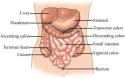 THURSDAY, June 1 (HealthDay News) -- As many as one in five Americans suffers from the pain, bloating and embarrassment caused by irritable bowel syndrome, one of the most common disorders diagnosed by doctors.
But little is known about the disorder. In fact, doctors have been unable to pinpoint a specific cause, or find any cure.
Increasingly, research is focusing on the effect the mind may have on gut function. Many doctors believe the link between brain and body might prove the key to effective treatment of irritable bowel syndrome (IBS).
"It's really a brain-gut disorder," said Dr. Lin Chang, an associate professor at the University of California, Los Angeles' Division of Digestive Diseases and School of Medicine. "We're gaining more information from many different aspects, but I don't think we have the whole story down yet."
Abdominal pain, bloating, cramping, constipation, and diarrhea are the main symptoms of IBS, according to the National Institutes of Health (NIH).
But specific symptoms vary from person to person. Some have constipation, while others experience diarrhea. Some find their symptoms wax and wane, subsiding for a few months and then returning, while others say their symptoms get worse as time passes.
Awareness of IBS has grown over the past decade, said Chang, who is also director of the Women's Digestive Health Center at UCLA's Digestive Diseases Research Center. "
Most people may not understand what the symptoms are, but they recognize the name."
However, IBS remains a highly embarrassing and taboo disorder. Many people are ashamed of their symptoms, and find it hard to confide even in their family physician. Up to 70 percent of people suffering from IBS are not receiving medical care for their symptoms, according to federal statistics.
"The majority of patients with IBS don't seek medical treatment," Chang said. "I wouldn't say this is an easy topic to talk about at all."
Researchers have not discovered any specific cause for IBS, but several theories have gained some traction.
Chang said it appears that IBS could be initially triggered by some sort of serious physical or psychological problem, such as a runaway infection, a major surgery, or a deep depression.
The sufferer's colon grows particularly sensitive, and reacts violently to certain foods and stress.
Once IBS has been triggered, a number of mental and physical occurrences have been associated with a worsening of symptoms, according to the NIH.
These include:
- large meals,
- certain medicines,
- particular foods, including wheat, rye, barley, chocolate, milk products or alcohol,
- caffeinated beverages such as coffee, tea or soft drinks,
- stress, conflict or emotional upsets.
Antidepressants are typically used to treat flare-ups of IBS and provide some relief to patients. Fiber supplements or laxatives for constipation, medicines to decrease diarrhea, or antispasmodics drugs to control colon muscle spasms and reduce abdominal pain also are commonly prescribed.
Interestingly, doctors have found that psychological treatments like hypnosis, relaxation training or psychotherapy provide the same amount of relief -- or even more -- than drug therapy.
"Treating the patient really requires a holistic approach where you treat both the body and the mind," said Dr. Charles Gerson, co-director of the Mind-Body Digestive Center in New York City and an associate clinical professor of gastroenterology at the Mount Sinai School of Medicine. "In the short term, therapy has proven more effective than medicine. Western medicine has forgotten how much the mind and body interact."
A vicious circle can develop with IBS when the patient's body and mind interact in a way to make the disorder grow worse, Gerson said.
For example, the gut can cause discomfort that makes the patient feel depressed or anxious. That depression or anxiety can then turn around and make the discomfort even more severe, he said.
"It just keeps going around and around," Gerson said. "You have to treat both sides of the circle to see positive benefit."
Research has shown that IBS is affected by the immune system, which is affected by stress. Because of that, stress management is an important part of IBS treatment. Patients are urged to deal with stress through counseling, regular exercise and a healthy amount of sleep.
On the physical side, careful eating has been shown to reduce IBS symptoms.
With advice from a doctor or dietitian, IBS patients have been able to reduce their discomfort by removing problem foods from their diet such as dairy products, or by increasing their fiber intake.
Eating smaller meals more often, or eating smaller portions, has also been found to help IBS symptoms in some people. Another effective habit involves eating meals that are low in fat and high in carbohydrates, such as pasta, rice, whole-grain breads and cereals.
More information
To learn more, visit the National Library of Medicine.
Wednesday, July 19, 2006
Weight Loss May Yield Alzheimer's Clues
MONDAY, July 17 (HealthDay News) -- Gradual weight loss can precede dementia and begin as early as 10 years prior to memory loss, concludes a Mayo Clinic study involving women with and without dementia.
The findings may provide clues to the origins of dementia, say the researchers, who were expected to present the findings Sunday at the International Conference on Alzheimer's Disease and Related Disorders, in Madrid, Spain.
The Mayo team compared the long-term medical records of 560 people diagnosed with the onset of dementia between 1990 and 1994. These patients were compared to a group of patients who did not have dementia.
Both groups averaged about the same weight -- 140 pounds -- at the beginning of the study. Women who did not develop dementia maintained that weight over the next 30 years.
In contrast, "The women who later developed dementia started off at the same weight as those who didn't develop dementia, but their weight drifted downward to 136 pounds 10 years before symptom onset and 128 pounds at symptom onset," Dr. David Knopman, lead researcher and neurologist, said in a prepared statement.
He and his colleagues said it's unclear what caused the weight loss in the women who later developed dementia, but they have some theories.
"The weight loss findings raise scientific questions about the cause or causes of the weight loss. This points to changes in the brain that develop years before the actual memory loss. We think that there are several possible explanations," Knopman said.
"The women might have less initiative and lose interest in eating, they might develop a duller sense of taste and smell, or they might experience an earlier sense of satiety (feeling full). Also, because, we didn't observe the anticipatory weight loss in men, the weight loss could have something specific to do with postmenopausal hormonal changes," he said.
Pinpointing the brain mechanisms that influence weight loss in women who develop dementia may help researchers better understand how it develops, Knopman said.
More information
The American Medical Association has more about dementia.
The findings may provide clues to the origins of dementia, say the researchers, who were expected to present the findings Sunday at the International Conference on Alzheimer's Disease and Related Disorders, in Madrid, Spain.
The Mayo team compared the long-term medical records of 560 people diagnosed with the onset of dementia between 1990 and 1994. These patients were compared to a group of patients who did not have dementia.
Both groups averaged about the same weight -- 140 pounds -- at the beginning of the study. Women who did not develop dementia maintained that weight over the next 30 years.
In contrast, "The women who later developed dementia started off at the same weight as those who didn't develop dementia, but their weight drifted downward to 136 pounds 10 years before symptom onset and 128 pounds at symptom onset," Dr. David Knopman, lead researcher and neurologist, said in a prepared statement.
He and his colleagues said it's unclear what caused the weight loss in the women who later developed dementia, but they have some theories.
"The weight loss findings raise scientific questions about the cause or causes of the weight loss. This points to changes in the brain that develop years before the actual memory loss. We think that there are several possible explanations," Knopman said.
"The women might have less initiative and lose interest in eating, they might develop a duller sense of taste and smell, or they might experience an earlier sense of satiety (feeling full). Also, because, we didn't observe the anticipatory weight loss in men, the weight loss could have something specific to do with postmenopausal hormonal changes," he said.
Pinpointing the brain mechanisms that influence weight loss in women who develop dementia may help researchers better understand how it develops, Knopman said.
More information
The American Medical Association has more about dementia.
Ten Super Secrets For Weight Loss$9.95 Learn the TOP SECRET Ten Super Secrets for Weight Loss |
Weight Loss Plan Kit$172.80 Includes: Oxy-Powder, Slimirex (180 Count), Weight Loss Secrets Revealed, Ten Super Secrets for Weight Loss |
Sunday, July 09, 2006
50 Conditions That Mimic ADHD
 ADHD Parents Support Project
ADHD is diagnosed by health professionals who form their opinion by observing a child's behavior. There are no brain scans, blood tests, or anything else definite that is used during diagnosis. The problem with this is there are many other problems that have the same symptoms of ADHD. Many parents, because of not knowing, settle for ADHD as a diagnosis before looking at everything.
For example, any problem dealing with the fuels of the body: water, food, blood and air can cause behavior problems. Water, food, blood and air to the body are just like gas and oil to a car. If you put bad gas or have old or the wrong oil in your car, it will act up just like a child acts up when eating foods they are allergic to, drinking or breathing contaminated water or air or having blood disorders.
There are also many medical, biological, emotional and mental conditions that mimic ADHD also. For those who are searching for reasons behind their child's behavior, here are some possibilities. Only settle for the diagnosis of ADHD after checking out all of these problems and many more.
Experts agree that without any treatment some children with ADHD will likely continue to have poor learning skills and low self-esteem. They may also have social difficulties that last into adulthood. The good news is that when children receive appropriate treatment for ADHD, their confidence, social skills and even academic performance may improve dramatically.
- Brain Differences found in ADHD Kids
- Digestive & Metabolic Problems abound in Patients with ADHD and Autism
- Doctors say the will cut Antidepressant use
- Drugging our Kids
- Imaging Children with ADHD
- Long chain polyunsaturated fatty acids in children with Attention Hyperactivity Deficit Disorder
- counseling
- Physicians concerned about Ritalin being forced on school children
- Prolonged use of Ritalin may change brain
- Ritalin versus food supplements tested children with ADHD
- The Attention Deficit Dilemma
- The bitter Truth about Aspartame
- Topographic mapping of brain with food induced Attention Deficit Disorder
- Understanding and dealing with Attention Deficit
Tuesday, June 27, 2006
Damaged Esophagus?
 Question: What kind of diet and supplement regime do you recommend for someone with Barrett's esophagus? -- Carey
Answer: Barrett's esophagus represents damage to the lining of the esophagus from gastroesophageal reflux disease (GERD), in which stomach acid backs up, causing heartburn.
The normal tissue changes as a result of constant irritation, with regular cells transforming to resemble those found in the intestines.
This process of cell transformation, known as "metaplasia," is considered a precancerous condition and occurs in about 10-15 % of people who have long-term GERD.
Patients have less discomfort once the cells have changed; however, 5 to 10 percent of them will go on to develop esophageal cancer, a particularly deadly disease.
Once esophageal cells change they will not revert back to normal, so treatment should focus on preventing further damage by stopping acid reflux from the stomach.
You're at greatest risk of Barrett's esophagus if you've had long-term heartburn and acid reflux, but remember: only a small percentage of people with GERD develop the disorder. In addition to heartburn, symptoms may include difficulty swallowing, vomiting red blood or blood that looks like coffee grounds, black, tarry or bloody stools or sudden weight loss.
A combination of life-style changes, supplements and diet can help you deal with Barrett's esophagus. First of all, I suggest switching to an anti-inflammatory diet:
- Eliminate polyunsaturated vegetable oils and partially hydrogenated oils. Also eliminate sources of trans-fatty acids such as margarine and vegetable shortening.
- Instead of polyunsaturated oils, rely on olive oil and increase your intake of omega-3 fatty acids by eating salmon, sardines, walnuts, freshly ground flax seeds and soy foods. If you don't like fish, take a fish oil supplement containing both DHA and EPA.
- Make sure your diet includes plenty of fresh fruits and vegetables, particularly those high in anti-oxidants. A half cup of blueberries packs as much antioxidant power as five servings of peas, carrots, apples, squash, or broccoli.
In addition, I recommend the following:
- Take deglycyrrhizinated licorice (DGL) to soothe the esophageal lining. Chew two tablets slowly before each meal or between meals, or take one half teaspoon of the powder before meals. Continue as long as you have symptoms.
- Reduce or eliminate alcohol consumption (if you take an occasional drink, make sure there is food in your stomach).
- If you smoke, stop.
- Avoid coffee and decaf, both of which can irritate the digestive system. Switch to soothing chamomile tea.
- Avoid any food you find irritating - chocolate, peppermint, raw onions, tomatoes or citrus fruits are common culprits.
- Don't eat within two to three hours of bedtime.
- Take my antioxidant formula.
- Try visualization, a mind/body technique that could help you manage your symptoms.
- Elevate the head of your bed by using blocks or foam wedges to reduce reflux while sleeping.
- Take two enteric-coated baby aspirin a day to reduce your risk of cancer.
The goal is to get the disorder under control quickly. Prescription medications such as Prilosec, Prevacid, Nexium, Aciphex or Protonix can help soothe irritated tissues by blocking stomach acid production. The over-the-counter drugs Pepcid, Tagamet, Axid and Zantac can also help relieve symptoms. Surgery is often a last resort for people with severe long-term reflux that is resistant to treatment.
Andrew Weil, M.D. –Author of:
Eight Weeks to Optimum Health
Spontaneous Healing
The Natural Mind
The Marriage of the Sun and Moon
Health and Healing
Natural Health, Natural Medicine
From Chocolate to Morphine (with Winifred Rosen)
Weight Loss Plan Kit$172.80 Includes: Oxy-Powder, Slimirex (180 Count), Weight Loss Secrets Revealed, Ten Super Secrets for Weight Loss |
Sunday, June 04, 2006
Is Deer Meat Dangerous?
Is Deer Meat Dangerous?
Provided by: DrWeil.com
Q: My family enjoys wild venison as our only source of red meat. Am I correct in assuming that recommendations to cut down on consumption of red meat do not apply here? The deer we eat are not taken in agricultural areas, so they are not exposed to pesticides. -- Kate A: Nutritionally, deer meat (venison is a broader term that also applies to meat from elk, moose, caribou and antelope) is healthier than beef. A three-ounce serving provides only 134 calories and three grams of fat, including only one gram of saturated fat. Beef gives you 259 calories for the same three-ounce serving, and 18 grams of fat, including seven grams of saturated fat.
However, there are some concerns about eating deer meat that go beyond fat content. A disorder called Chronic Wasting Disease (CWD) is spreading among deer in a number of states. This always fatal illness is a degenerative brain disease similar to Mad Cow Disease, also known as BSE (bovine spongiform encephalopathy). CWD is another transmissible spongiform encephalopathy caused by prions, abnormal protein molecules that aren't destroyed by cooking, freezing, or usual methods of disinfection. So far, there is no evidence that CWD can be passed from deer to humans. The disease has been around for more than 20 years, during which time many hunters must have consumed meat from infected animals, but no cases of human CWD have yet appeared.
That does not mean that transmissions can't occur. A number of studies are now underway to determine for sure that humans cannot get CWD from eating venison from infected deer. In the meantime, if you or your family hunt, don't kill and eat any animals that appear sick. If there is any question, bring samples of venison in to wildlife officials for testing. Some other precautions:
Don't eat the eyes, brain, spinal cord, spleen, tonsils, or lymph nodes of any deer.
Wear rubber or latex gloves when dressing or butchering deer.
Bone out the meat and remove all fat and the weblike membranes attached to the meat. This will also remove lymph nodes.
Contact wildlife officials in your state to find out if CWD exists in the deer population, and if so, follow any recommended precautions.
Andrew Weil, M.D. –Author of:
Eight Weeks to Optimum Health
Spontaneous Healing
The Natural Mind
The Marriage of the Sun and Moon
Health and Healing
Natural Health, Natural Medicine
From Chocolate to Morphine (with Winifred Rosen)
Provided by: DrWeil.com
Q: My family enjoys wild venison as our only source of red meat. Am I correct in assuming that recommendations to cut down on consumption of red meat do not apply here? The deer we eat are not taken in agricultural areas, so they are not exposed to pesticides. -- Kate A: Nutritionally, deer meat (venison is a broader term that also applies to meat from elk, moose, caribou and antelope) is healthier than beef. A three-ounce serving provides only 134 calories and three grams of fat, including only one gram of saturated fat. Beef gives you 259 calories for the same three-ounce serving, and 18 grams of fat, including seven grams of saturated fat.
However, there are some concerns about eating deer meat that go beyond fat content. A disorder called Chronic Wasting Disease (CWD) is spreading among deer in a number of states. This always fatal illness is a degenerative brain disease similar to Mad Cow Disease, also known as BSE (bovine spongiform encephalopathy). CWD is another transmissible spongiform encephalopathy caused by prions, abnormal protein molecules that aren't destroyed by cooking, freezing, or usual methods of disinfection. So far, there is no evidence that CWD can be passed from deer to humans. The disease has been around for more than 20 years, during which time many hunters must have consumed meat from infected animals, but no cases of human CWD have yet appeared.
That does not mean that transmissions can't occur. A number of studies are now underway to determine for sure that humans cannot get CWD from eating venison from infected deer. In the meantime, if you or your family hunt, don't kill and eat any animals that appear sick. If there is any question, bring samples of venison in to wildlife officials for testing. Some other precautions:
Don't eat the eyes, brain, spinal cord, spleen, tonsils, or lymph nodes of any deer.
Wear rubber or latex gloves when dressing or butchering deer.
Bone out the meat and remove all fat and the weblike membranes attached to the meat. This will also remove lymph nodes.
Contact wildlife officials in your state to find out if CWD exists in the deer population, and if so, follow any recommended precautions.
Andrew Weil, M.D. –Author of:
Eight Weeks to Optimum Health
Spontaneous Healing
The Natural Mind
The Marriage of the Sun and Moon
Health and Healing
Natural Health, Natural Medicine
From Chocolate to Morphine (with Winifred Rosen)
Saturday, May 27, 2006
New Focus on Nutrition and Health?
New Focus on Nutrition and Health?
Provided by: DrWeil.com
Q: I notice that you're having another Nutrition and Health Conference. What kinds of issues are you going to be discussing this time? Is it only for medical professionals or can members of the public attend? -- Theresa
A: The 2005 Nutrition and Health Conference is scheduled for March 6-9 here in Tucson. I'm very excited about the program we've planned, which will cover a wide range of nutrition and health-related topics, both in the sessions designed for health professionals (including students) and the media and during our Public Forum on "Food, Politics and Society," which will launch the conference on Sunday, March 6 and is open to everyone.
During the forum, we'll deal with such topical issues as "The Optimal Diet" (a subject that I'll discuss), as well as "Micronutrients and the Role of Dietary Supplements" to be reviewed by Bruce Ames, Ph.D., senior scientist at Children's Hospital, Oakland Research Institute and a professor at the Graduate School in Molecular and Cell Biology at the University of California at Berkeley. Others speaking at the Public Forum include Dan Glickman, former U.S. Secretary of Agriculture, who will focus on our national agricultural policy and its effect on U.S. nutrition and Walter Willett, MD, professor of Epidemiology, Nutrition and Medicine at the Harvard School of Public Health, who will discuss obesity, diabetes and the food industry.
The sessions for health professionals will focus on such subjects as nutritional science and the Mediterranean diet, the benefits of a low glycemic-index diet, the challenge to health professionals of the growing epidemic of childhood obesity, and the latest findings on vegetarian nutrition. In separate sessions throughout the three-day conference we'll also discuss the latest research on nutrition for patients with a number of different health problems including arthritis, allergic diseases, attention deficit disorder, osteoporosis, diabetes, Alzheimer's disease as well as nutritional strategies for prevention of breast and prostate cancer and to prevent or minimize the degenerative diseases of aging.
Other sessions will cover what we know about antioxidants, low-carb and fad diets, and whether or not the way you eat really can reduce your risk of cancer. The conference is presented by the Program in Integrative Medicine here at the University of Arizona and sponsored by the Richard and Hinda Rosenthal Center for Complementary and Alternative Medicine at Columbia University's College of Physicians & Surgeons.
An integral part of the conference is the opportunity to sample various high quality organic foods, from fruits and vegetables to soy foods, teas, chocolate, and cheeses as well as learn from nutrition-minded chefs who will be demonstrating their talents. Rather than eating bagels and donuts, as they do at most medical conferences, attendees can eat well and experience how delicious healthy food can be.
You're welcome to attend the public forum, and there's still time for health professionals and the media to sign up for the conference. I expect that we'll have some important insights on nutrition and health to share on this site and elsewhere after the conference.
Andrew Weil, M.D. –Author of:
Eight Weeks to Optimum Health
Spontaneous Healing
The Natural Mind
The Marriage of the Sun and Moon
Health and Healing
Natural Health, Natural Medicine
From Chocolate to Morphine (with Winifred Rosen)
Provided by: DrWeil.com
Q: I notice that you're having another Nutrition and Health Conference. What kinds of issues are you going to be discussing this time? Is it only for medical professionals or can members of the public attend? -- Theresa
A: The 2005 Nutrition and Health Conference is scheduled for March 6-9 here in Tucson. I'm very excited about the program we've planned, which will cover a wide range of nutrition and health-related topics, both in the sessions designed for health professionals (including students) and the media and during our Public Forum on "Food, Politics and Society," which will launch the conference on Sunday, March 6 and is open to everyone.
During the forum, we'll deal with such topical issues as "The Optimal Diet" (a subject that I'll discuss), as well as "Micronutrients and the Role of Dietary Supplements" to be reviewed by Bruce Ames, Ph.D., senior scientist at Children's Hospital, Oakland Research Institute and a professor at the Graduate School in Molecular and Cell Biology at the University of California at Berkeley. Others speaking at the Public Forum include Dan Glickman, former U.S. Secretary of Agriculture, who will focus on our national agricultural policy and its effect on U.S. nutrition and Walter Willett, MD, professor of Epidemiology, Nutrition and Medicine at the Harvard School of Public Health, who will discuss obesity, diabetes and the food industry.
The sessions for health professionals will focus on such subjects as nutritional science and the Mediterranean diet, the benefits of a low glycemic-index diet, the challenge to health professionals of the growing epidemic of childhood obesity, and the latest findings on vegetarian nutrition. In separate sessions throughout the three-day conference we'll also discuss the latest research on nutrition for patients with a number of different health problems including arthritis, allergic diseases, attention deficit disorder, osteoporosis, diabetes, Alzheimer's disease as well as nutritional strategies for prevention of breast and prostate cancer and to prevent or minimize the degenerative diseases of aging.
Other sessions will cover what we know about antioxidants, low-carb and fad diets, and whether or not the way you eat really can reduce your risk of cancer. The conference is presented by the Program in Integrative Medicine here at the University of Arizona and sponsored by the Richard and Hinda Rosenthal Center for Complementary and Alternative Medicine at Columbia University's College of Physicians & Surgeons.
An integral part of the conference is the opportunity to sample various high quality organic foods, from fruits and vegetables to soy foods, teas, chocolate, and cheeses as well as learn from nutrition-minded chefs who will be demonstrating their talents. Rather than eating bagels and donuts, as they do at most medical conferences, attendees can eat well and experience how delicious healthy food can be.
You're welcome to attend the public forum, and there's still time for health professionals and the media to sign up for the conference. I expect that we'll have some important insights on nutrition and health to share on this site and elsewhere after the conference.
Andrew Weil, M.D. –Author of:
Eight Weeks to Optimum Health
Spontaneous Healing
The Natural Mind
The Marriage of the Sun and Moon
Health and Healing
Natural Health, Natural Medicine
From Chocolate to Morphine (with Winifred Rosen)
Monday, February 06, 2006
Gas in the Digestive Tract

- What causes gas?
- Which foods cause gas?
- What are some symptoms and problems of gas?
- What diagnostic tests are used?
- How is gas treated?
Conclusion
Points to Remember
The digestive tract
Everyone has gas and eliminates it by burping or passing it through the rectum. However, many people think they have too much gas when they really have normal amounts. Most people produce about 1 to 4 pints a day and pass gas about 14 times a day.
Gas is made primarily of odorless vapors—carbon dioxide, oxygen, nitrogen, hydrogen, and sometimes methane. The unpleasant odor of flatulence comes from bacteria in the large intestine that release small amounts of gases that contain sulfur.
Although having gas is common, it can be uncomfortable and embarrassing. Understanding causes, ways to reduce symptoms, and treatment will help most people find relief.
What causes gas?
Gas in the digestive tract (that is, the esophagus, stomach, small intestine, and large intestine) comes from two sources:
swallowed air
normal breakdown of certain undigested foods by harmless bacteria naturally present in the large intestine (colon)
Swallowed Air
Air swallowing (aerophagia) is a common cause of gas in the stomach. Everyone swallows small amounts of air when eating and drinking. However, eating or drinking rapidly, chewing gum, smoking, or wearing loose dentures can cause some people to take in more air.
Burping, or belching, is the way most swallowed air—which contains nitrogen, oxygen, and carbon dioxide—leaves the stomach. The remaining gas moves into the small intestine, where it is partially absorbed. A small amount travels into the large intestine for release through the rectum. (The stomach also releases carbon dioxide when stomach acid and bicarbonate mix, but most of this gas is absorbed into the bloodstream and does not enter the large intestine.)
Breakdown of Undigested Foods
The body does not digest and absorb some carbohydrates (the sugar, starches, and fiber found in many foods) in the small intestine because of a shortage or absence of certain enzymes.
This undigested food then passes from the small intestine into the large intestine, where normal, harmless bacteria break down the food, producing hydrogen, carbon dioxide, and, in about one-third of all people, methane. Eventually these gases exit through the rectum.
People who make methane do not necessarily pass more gas or have unique symptoms. A person who produces methane will have stools that consistently float in water. Research has not shown why some people produce methane and others do not.
Foods that produce gas in one person may not cause gas in another. Some common bacteria in the large intestine can destroy the hydrogen that other bacteria produce. The balance of the two types of bacteria may explain why some people have more gas than others.
Which foods cause gas?
Most foods that contain carbohydrates can cause gas. By contrast, fats and proteins cause little gas.
Sugars
The sugars that cause gas are raffinose, lactose, fructose, and sorbitol.
Raffinose
Beans contain large amounts of this complex sugar. Smaller amounts are found in cabbage, brussels sprouts, broccoli, asparagus, other vegetables, and whole grains.
Lactose
Lactose is the natural sugar in milk. It is also found in milk products, such as cheese and ice cream, and processed foods, such as bread, cereal, and salad dressing. Many people, particularly those of African, Native American, or Asian background, normally have low levels of the enzyme lactase needed to digest lactose after childhood. Also, as people age, their enzyme levels decrease. As a result, over time people may experience increasing amounts of gas after eating food containing lactose.
Fructose
Fructose is naturally present in onions, artichokes, pears, and wheat. It is also used as a sweetener in some soft drinks and fruit drinks.
Sorbitol
Sorbitol is a sugar found naturally in fruits, including apples, pears, peaches, and prunes. It is also used as an artificial sweetener in many dietetic foods and sugarfree candies and gums.
Starches
Most starches, including potatoes, corn, noodles, and wheat, produce gas as they are broken down in the large intestine. Rice is the only starch that does not cause gas.
Fiber
Many foods contain soluble and insoluble fiber. Soluble fiber dissolves easily in water and takes on a soft, gel-like texture in the intestines. Found in oat bran, beans, peas, and most fruits, soluble fiber is not broken down until it reaches the large intestine, where digestion causes gas.
Insoluble fiber, on the other hand, passes essentially unchanged through the intestines and produces little gas. Wheat bran and some vegetables contain this kind of fiber.
What are some symptoms and problems of gas?
The most common symptoms of gas are flatulence, abdominal bloating, abdominal pain, and belching. However, not everyone experiences these symptoms. The determining factors probably are how much gas the body produces, how many fatty acids the body absorbs, and a person's sensitivity to gas in the large intestine.
Belching
An occasional belch during or after meals is normal and releases gas when the stomach is full of food. However, people who belch frequently may be swallowing too much air and releasing it before the air enters the stomach.
Sometimes a person with chronic belching may have an upper GI disorder, such as peptic ulcer disease, gastroesophageal reflux disease (GERD), or gastroparesis.
Occasionally, some people believe that swallowing air and releasing it will relieve the discomfort of these disorders, and this person may intentionally or unintentionally develop a habit of belching to relieve discomfort.
Gas-bloat syndrome may occur after fundoplication surgery to correct GERD. The surgery creates a one-way valve between the esophagus and stomach that allows food and gas to enter the stomach but often prevents normal belching and the ability to vomit. It occurs in about 10 percent of people who have this surgery but may improve with time.
Flatulence
Another common complaint is passage of too much gas through the rectum (flatulence). However, most people do not realize that passing gas 14 to 23 times a day is normal. Too much gas may be the result of carbohydrate malabsorption.
Abdominal bloating
Many people believe that too much gas causes abdominal bloating. However, people who complain of bloating from gas often have normal amounts and distribution of gas. They actually may be unusually aware of gas in the digestive tract.
Doctors believe that bloating is usually the result of an intestinal disorder, such as irritable bowel syndrome (IBS). The cause of IBS is unknown, but may involve abnormal movements and contractions of intestinal muscles and increased pain sensitivity in the intestine. These disorders may give a sensation of bloating because of increased sensitivity to gas.
Any disease that causes intestinal inflammation or obstruction, such as Crohn's disease or colon cancer, may also cause abdominal bloating. In addition, people who have had many operations, adhesions (scar tissue), or internal hernias may experience bloating or pain. Finally, eating a lot of fatty food can delay stomach emptying and cause bloating and discomfort, but not necessarily too much gas.
Abdominal Pain and Discomfort
Some people have pain when gas is present in the intestine. When pain is on the left side of the colon, it can be confused with heart disease. When the pain is on the right side of the colon, it may mimic gallstones or appendicitis.
What diagnostic tests are used?
Because gas symptoms may be caused by a serious disorder, those causes should be ruled out. The doctor usually begins with a review of dietary habits and symptoms. The doctor may ask the patient to keep a diary of foods and beverages consumed for a specific time period.
If lactase deficiency is the suspected cause of gas, the doctor may suggest avoiding milk products for a period of time. A blood or breath test may be used to diagnose lactose intolerance.
In addition, to determine if someone produces too much gas in the colon or is unusually sensitive to the passage of normal gas volumes, the doctor may ask patients to count the number of times they pass gas during the day and include this information in a diary.
Careful review of diet and the amount of gas passed may help relate specific foods to symptoms and determine the severity of the problem.
Because the symptoms that people may have are so variable, the physician may order other types of diagnostic tests in addition to a physical exam, depending on the patient's symptoms and other factors.
How is gas treated?
Experience has shown that the most common ways to reduce the discomfort of gas are changing diet, taking medicines, and reducing the amount of air swallowed.
Diet
Doctors may tell people to eat fewer foods that cause gas. However, for some people this may mean cutting out healthy foods, such as fruits and vegetables, whole grains, and milk products.
Doctors may also suggest limiting high-fat foods to reduce bloating and discomfort. This helps the stomach empty faster, allowing gases to move into the small intestine.
Unfortunately, the amount of gas caused by certain foods varies from person to person. Effective dietary changes depend on learning through trial and error how much of the offending foods one can handle.
Nonprescription Medicines
Many nonprescription, over-the-counter medicines are available to help reduce symptoms, including antacids with simethicone. Digestive enzymes, such as lactase supplements, actually help digest carbohydrates and may allow people to eat foods that normally cause gas.
Antacids, such as Mylanta II, Maalox II, and Di-Gel, contain simethicone, a foaming agent that joins gas bubbles in the stomach so that gas is more easily belched away. However, these medicines have no effect on intestinal gas. Dosage varies depending on the form of medication and the patient's age.
The enzyme lactase, which aids with lactose digestion, is available in caplet and chewable tablet form without a prescription (Lactaid and Lactrase). Chewing lactase tablets just before eating helps digest foods that contain lactose. Also, lactose-reduced milk and other products are available at many grocery stores (Lactaid and Dairy Ease).
Beano, an over-the-counter digestive aid, contains the sugar-digesting enzyme that the body lacks to digest the sugar in beans and many vegetables. The enzyme comes in liquid and tablet form. Five drops are added per serving or 1 tablet is swallowed just before eating to break down the gas-producing sugars. Beano has no effect on gas caused by lactose or fiber.
Prescription Medicines
Doctors may prescribe medicines to help reduce symptoms, especially for people with a disorder such as IBS.
Reducing Swallowed Air
For those who have chronic belching, doctors may suggest ways to reduce the amount of air swallowed. Recommendations are to avoid chewing gum and to avoid eating hard candy. Eating at a slow pace and checking with a dentist to make sure dentures fit properly should also help.
Conclusion
Although gas may be uncomfortable and embarrassing, it is not life-threatening. Understanding causes, ways to reduce symptoms, and treatment will help most people find some relief.
Points to remember
Everyone has gas in the digestive tract.
People often believe normal passage of gas to be excessive.
Gas comes from two main sources: swallowed air and normal breakdown of certain foods by harmless bacteria naturally present in the large intestine.
Many foods with carbohydrates can cause gas. Fats and proteins cause little gas.
Foods that may cause gas include beans vegetables, such as broccoli, cabbage, brussels sprouts, onions, artichokes, and asparagus fruits, such as pears, apples, and peaches whole grains, such as whole wheat and bran soft drinks and fruit drinks milk and milk products, such as cheese and ice cream, and packaged foods prepared with lactose, such as bread, cereal, and salad dressing
foods containing sorbitol, such as dietetic foods and sugarfree candies and gums.
he most common symptoms of gas are belching, flatulence, bloating, and abdominal pain. However, some of these symptoms are often caused by an intestinal disorder, such as irritable bowel syndrome, rather than too much gas.
The most common ways to reduce the discomfort of gas are changing diet, taking nonprescription medicines, and reducing the amount of air swallowed.
Digestive enzymes, such as lactase supplements, actually help digest carbohydrates and may allow people to eat foods that normally cause gas.
The U.S. Government does not endorse or favor any specific commercial product or company. Trade, proprietary, or company names appearing in this document are used only because they are considered necessary in the context of the information provided. If a product is not mentioned, this does not mean or imply that the product is unsatisfactory.
National Digestive Diseases Information Clearinghouse
2 Information Way
Bethesda, MD 20892–3570
Email: nddic@info.niddk.nih.gov
The National Digestive Diseases Information Clearinghouse (NDDIC) is a service of the National Institute of Diabetes and Digestive and Kidney Diseases (NIDDK). The NIDDK is part of the National Institutes of Health under the U.S. Department of Health and Human Services. Established in 1980, the Clearinghouse provides information about digestive diseases to people with digestive disorders and to their families, health care professionals, and the public. The NDDIC answers inquiries, develops and distributes publications, and works closely with professional and patient organizations and Government agencies to coordinate resources about digestive diseases.
Publications produced by the Clearinghouse are carefully reviewed by both NIDDK scientists and outside experts.
This publication is not copyrighted. The Clearinghouse encourages users of this fact sheet to duplicate and distribute as many copies as desired.
NIH Publication No. 04–883
March 2004
more info at:
Subscribe to:
Posts (Atom)
Dr. Group's Secret to Health Kit$39.94 Dr. Group's Secret to Health Kit offers simple at-home solutions for cleansing internally and externally thereby reducing toxins, restoring the body's natural healing process, and helping you achieve true health and happiness. |