A Polysans test is a method of detecting both inherited and endogenic (arise from within the body) toxins which continue to challenge the body’s ability to maintain wellness.
Polysans testing is an important tool used to identify and remove long held blocks to the natural healing energy bringing about optimum health. Our ability to enjoy optimum wellness can be blocked and prevented because the body can’t quite shake off the effects of a toxin or group of toxins. The continued presence of a toxin, almost ‘invisible’ to the defences of the body, weakens the body over time putting it into a state of chronic imbalance and ill health.
Once identified by Polysans testing the toxin(s) is effectively made ‘visible’ and says to the body –“Here I am, come and get me!”. The body now mobilizes its defences geared specifically to expel that toxin in the normal way.
The Test
A drop of your blood is mixed with a drop of each of the corresponding Polysan remedies. When antibodies to a toxin are present in the blood they react with one or more of the homeopathic Polysans remedies and produce agglutination (clumping together, ie. antigen-antibody reaction) indicating the best remedy to use.
Each Polysans formula is a homeopathic preparation targeted to work on specific groups of toxins which are produced in the body or passed down through generations (mother's milk). These toxins create disturbance fields in the body blocking healing and are 'hidden' from the view of the immune system. The Polysans makes them more visible for zapping.
The Polysan remedies are a strong enough potency that they work well when rubbed in percutaneously (either in the left elbow crease or on a specific site). They do not cause side effects and are used easily by themselves, or as an adjuvant therapy. The goal of all persons suffering from a chronic disorder is the balance of health. Using the Polysans in combination with an appropriate temporary diet, excluding the primary antigens (all dairy products and hen's eggs), allows us a much improved chance to recover optimum health.
more info at: www.dreddyclinic.com
Thursday, March 30, 2006


Wednesday, March 22, 2006
The New Medicine – a two-hour documentary that premieres Wednesday, March 29 at 9:00 (ET) on PBS (check local listings) – explores a burgeoning movement taking place in hospitals and clinics across the country: integrating the best of high-tech medicine with a new attitude that recognizes it is essential to the healing process to treat the patient as a whole person, and not a cog in an assembly line. (See Website)
more info at:
www.dreddyclinic.com
www.dreddyclinic.com/integrated_med/integrated_med.htm
more info at:
www.dreddyclinic.com
www.dreddyclinic.com/integrated_med/integrated_med.htm
Complementary/Integrative Medicine Education Resources
Complementary and alternative medicine (CAM) and complementary and integrative medicine (CIM) are therapies of proven or unproven efficacy that have been used to promote wellness, to manage symptoms associated with cancer and its treatment or to treat cancer. When properly combined with standard cancer treatments, some complementary therapies can enhance wellness and quality of life, but others may be harmful during or after treatment for cancer. M. D. Anderson Cancer Center’s Complementary/Integrative Medicine Education Resources (CIMER) Web site is offered to help patients and physicians decide how best to integrate such therapies into their care, as described in our Mission and Objectives.
Is it safe? Is it effective?What do studies show? Our Reviews of Therapies contain evidence-based reviews of published research studies on a variety of complementary/integrative or alternative cancer therapies such as alternative medical systems (e.g., traditional Chinese medicine), herbal/plant (e.g., essiac), other biologic/organic/pharmacologic substances (e.g., cartilage), nutrition and special diets (e.g., macrobiotic), body-manipulative therapies (e.g., massage), energy (e.g., tai chi) and mind-body approaches (e.g., support groups). Short summaries of each therapy are provided in both English and Spanish.
Continuing education and additional evidence-based reviews are provided by Natural Standard, an international, multidisciplinary collaboration of clinicians and researchers from over 100 eminent institutions.
Potential interactions between some drugs and herbal or other supplements are posted in Drug Interaction & FDA Advisories as provided by the Food and Drug Administration (FDA) and other authoritative sources.
Videos How can patients and physicians talk with each other about complementary medicine? What experiences have some patients had in using compementary medicines? Why is it so important for the physician to ask what complementary therapies patients are using, and how does one go about it? Three videos exploring these important subjects can be viewed online or ordered on CD-ROM.
Important Conversations: Talking with Patients about Complementary Therapies (CME credit for physicians)
Patients talk about...Complementary Therapies and Cancer
Important Conversations: Complementary Therapies...What you must ask, and why
And more . . . Learn the meanings of commonly used terms in complementary/integrative medicine and how clinical trials are used to answer questions about safety and effectiveness.
Find educational programs and events (conferences, workshops and lectures) on complementary and integrative medicine at M. D. Anderson and elsewhere.
Consider complementary/integrative therapies provided at M. D. Anderson through the Place...of wellness and additional nutritional education and support services of the M. D. Anderson Department of Clinical Nutrition.
Access lists of recommended reading and internet resources plus a free consumer library with internet search assistance provided by the Learning Center.
Find out what's in the news and get answers to frequently asked questions (FAQ) about M. D. Anderson programs and this Web site.
This CIMER Web site is provided by Complementary/Integrative Medicine Educational Resources (CIMER), the education component of the Integrative Medicine Program at The University of Texas M. D. Anderson Cancer Center.
more info at:
www.dreddyclinic.com
Is it safe? Is it effective?What do studies show? Our Reviews of Therapies contain evidence-based reviews of published research studies on a variety of complementary/integrative or alternative cancer therapies such as alternative medical systems (e.g., traditional Chinese medicine), herbal/plant (e.g., essiac), other biologic/organic/pharmacologic substances (e.g., cartilage), nutrition and special diets (e.g., macrobiotic), body-manipulative therapies (e.g., massage), energy (e.g., tai chi) and mind-body approaches (e.g., support groups). Short summaries of each therapy are provided in both English and Spanish.
Continuing education and additional evidence-based reviews are provided by Natural Standard, an international, multidisciplinary collaboration of clinicians and researchers from over 100 eminent institutions.
Potential interactions between some drugs and herbal or other supplements are posted in Drug Interaction & FDA Advisories as provided by the Food and Drug Administration (FDA) and other authoritative sources.
Videos How can patients and physicians talk with each other about complementary medicine? What experiences have some patients had in using compementary medicines? Why is it so important for the physician to ask what complementary therapies patients are using, and how does one go about it? Three videos exploring these important subjects can be viewed online or ordered on CD-ROM.
Important Conversations: Talking with Patients about Complementary Therapies (CME credit for physicians)
Patients talk about...Complementary Therapies and Cancer
Important Conversations: Complementary Therapies...What you must ask, and why
And more . . . Learn the meanings of commonly used terms in complementary/integrative medicine and how clinical trials are used to answer questions about safety and effectiveness.
Find educational programs and events (conferences, workshops and lectures) on complementary and integrative medicine at M. D. Anderson and elsewhere.
Consider complementary/integrative therapies provided at M. D. Anderson through the Place...of wellness and additional nutritional education and support services of the M. D. Anderson Department of Clinical Nutrition.
Access lists of recommended reading and internet resources plus a free consumer library with internet search assistance provided by the Learning Center.
Find out what's in the news and get answers to frequently asked questions (FAQ) about M. D. Anderson programs and this Web site.
This CIMER Web site is provided by Complementary/Integrative Medicine Educational Resources (CIMER), the education component of the Integrative Medicine Program at The University of Texas M. D. Anderson Cancer Center.
more info at:
www.dreddyclinic.com
Integrated medicine
 Integrated medicine
Imbues orthodox medicine with the values of complementary medicine .
Integrated medicine (or integrative medicine as it is referred to in the United States) is practising medicine in a way that selectively incorporates elements of complementary and alternative medicine into comprehensive treatment plans alongside solidly orthodox methods of diagnosis and treatment.
The concept is better recognised in the US than in the United Kingdom, but a conference in London next week, organised by the Royal College of Physicians and the US National Center for Complementary and Alternative Medicine, may help to raise its profile in the UK.
Integrated medicine is not simply a synonym for complementary medicine. Complementary medicine refers to treatments that may be used as adjuncts to conventional treatment and are not usually taught in medical schools. Integrated medicine has a larger meaning and mission, its focus being on health and healing rather than disease and treatment. It views patients as whole people with minds and spirits as well as bodies and includes these dimensions into diagnosis and treatment. It also involves patients and doctors working to maintain health by paying attention to lifestyle factors such as diet, exercise, quality of rest and sleep, and the nature of relationships.
Conventional medicine has become dependent on expensive technological solutions to health problems, even when they are not particularly effective. In its enthusiasm for technology, it has turned its back on holism and simple methods of intervention, such as dietary adjustment and relaxation training, which are prominent in many alternative systems of medicine and are often effective.1 Patients want guides to help them navigate the confusing maze of therapeutic options, particularly when conventional approaches are relatively ineffective and harmful.2
Most patients turn to complementary medicine out of frustration.
Research shows that the consultation process and holistic approach adopted by practitioners of complementary medicine make patients feel in more control of their illness. 3 4 Unfortunately, this option is not often available because physicians with the desired attitudes, knowledge, and training are few and far between. Yet the multiple options of complementary therapies range from the sensible and worth while to the ridiculous and even dangerous, and patients need physicians with the biomedical knowledge to distinguish between them.
Conventional medicine can no longer ignore complementary medicine. US expenditure on complementary medicine rose in 1990-7 from $13bn to $38bn a year, and twice as many consultations were with complementary medicine practitioners as with mainstream family doctors. 5 6 This trend is also apparent in Australia,7 while in the UK a recent survey in Southampton (population 200 000) showed that around £4m a year was spent on complementary medicine outside the NHS.8
In Britain a recent report from the House of Lords select committee on science and technology9 acknowledged that the use of complementary therapy is widespread and increasing. At least 40% of general practices in the UK provide some complementary medicine services,10 although the evidence base for their use is patchy at best and non-existent at worse. The select committee divided therapies into three groups and concluded that the most organised and regulated (acupuncture, chiropractice, herbal medicine, homeopathy, and osteopathy) have a research base as well as being available in parts of the NHS.
Most therapies in group 2 (such as aromotherapy and hypnotherapy) are used to complement conventional medicine and exist in some parts of the NHS, but it is this group that needs proper regulation and a research base. Group 3 contains therapies that are long established and rational in certain cultures, as well as many (such as crystal therapy and dowsing) for which there is no research evidence at all.
However, with no specific funding for research into complementary medicine, evidence will not be forthcoming. The NHS research and development directorate and the Medical Research Council need to support research into complementary therapies. The National Center for Complementary and Alternative Medicine, which has been set up as a centre within the National Institutes of Health in the US, offers a model. Writing recently in the Times, HRH the Prince of Wales pointed out that the Medical Research Council spent no money researching complementary therapies in 1998-9 and in 1999 UK medical research charities spent only 0.05% of their total research budget.11 However, even when research funds are available there may be few high quality applications. We need to foster research excellence in complementary medicine.
In addition, there are no clear guidelines for the regulation of, and training in, complementary medicine for licensed health professionals who want to use a complementary therapy in their practice. Familiarisation with complementary therapies needs to start in medical schools and other institutes of higher education. In Britain, such provision is uneven, though awareness is growing and some schools already have some teaching. In the US many practitioners are being trained with a distance learning, internet based module, and medical education is also being restructured.12 The Consortium of Academic Health Centers for Integrative Medicine aims to have programmes of integrated medicine in a fifth's of the county's 125 medical schools within the next few years.
Such programmes will produce fundamental changes in the way physicians are trained because integrated medicine is not just about teaching doctors to use herbs instead of drugs. It is about restoring core values which have been eroded by social and economic forces. Integrated medicine is good medicine, and its success will be signalled by dropping the adjective. The integrated medicine of today should be the medicine of the new millennium. Lesley Rees, director of education.
Royal College of Physicians, London NW1 4LE (Lesley.Rees@rcplondon.ac.uk
'//-->
)Andrew Weil, director and professor of medicine.
Program in Integrative Medicine, University of Arizona, Tucson, AZ 85724-5018, USA (Mnhardin@ix.netcom.com
Andrew Weil, M.D. – Author of:
- Eight Weeks to Optimum Health
- Spontaneous Healing
- The Natural Mind
- The Marriage of the Sun and Moon
- Health and Healing
- Natural Health, Natural Medicine
- From Chocolate to Morphine (with Winifred Rosen)
Footnotes
LR is a trustee of the Foundation for Integrated Medicine.
1.
Ornish D, Scherwitz LW, Billings JH, Brown SE, Gould KL, Merritt TA, et al. Intensive lifestyle changes for reversal of coronary heart disease. JAMA 1998; 280: 2001-2007
[Abstract/Free Full Text].
2.
Maizes V, Caspio O. The principles and challenges of alternative medicine; more than a combination of traditional and alternative therapies. West J Med 1999; 171: 148-149
[Medline].
3.
Austin JA. Why patients use alternative medicine. JAMA 1998; 279: 1548-1553
[Abstract/Free Full Text].
4.
Lewith GT. Reflections on the nature of consultation. J Altern Complement Med 1998; 4: 321-323
[Medline].
5.
Eisenberg DM, Davies RB, Ettner SL, Appel S, Wilkey S, Van Rompany M, et al. Trends in alternative medicine use in the United States 1990-1997. JAMA 1998; 280: 1569-1575
[Abstract/Free Full Text].
6.
The landmark report on public perceptions of alternative care. Sacramento, California: Landmark Healthcare Inc, 1998.
7.
MacLennan AH, Wilson DH, Taylor AW. Prevalence and cost of alternative medicines in Australia. Lancet 1996; 347: 569-573
[Medline].
8.
Dolan G, Lewith GT. The practice of complementary medicine outside the NHS. J Altern Complement Med 1999; 5: 297-300
[Medline].
9.
House of Lords. Complementary and alternative medicine. London: Stationery Office, 2000.
10.
Thomas K, Fall M, Parry G, Nichol J. National survey of access to complementary health care via general practice. Sheffield: University of Sheffield, 1995.
11.
HRH Prince of Wales. When our health is at risk, why be mean? Alternative medicine needs and deserves more research funding. Times 2000;29 Dec:p28.
12.
Weil A. The significance of integrative medicine for the future of medical education. Am J Med 2000; 108: 441-443
[Medline].
more info at:
www.dreddyclinic.com
Tuesday, March 21, 2006
Anti-HIV Drugs Unlikely To Stop HIV Spread
Anti-HIV Drugs Unlikely To Stop HIV Spread
Researchers believe antiretroviral therapy (ART) will not be effective in stopping HIV epidemics even if it is made universally available in poorer countries, and that widespread use could even lead to an increase in the numbers infected with HIV.
Research published today in PLoS Medicine by a team from Imperial College London reveals a model which predicts how different strategies for increasing access to ART might affect HIV infection rates.
The modelling found that while ART reduces the viral load of infected individuals, thus decreasing the risk of HIV transmission, slowing disease progression allows patients to live longer, increasing the number infected and potentially the number of new infections they will cause.
Rebecca Baggaley, from Imperial College London, and one of the authors of the paper, said: "This model demonstrates that ongoing provision of prevention initiatives for stopping the spread of HIV is vital. Although ART may prove effective as part of an integrated treatment and prevention programme, including increased education and promotion of safe sex practices, it is unlikely to be effective alone.
"For a number of years, there has been significant debate about access to antiretroviral drugs, and how the high cost of these drugs has hindered many poorer countries' attempts to combat HIV epidemics. While ART is undoubtedly effective at treating AIDS patients, particularly in richer countries, without public health interventions it will not prove effective in stopping the spread of HIV in poorer countries."
The model also studied how ART treatment might affect behaviour. The researchers believe it could result in a greater spread of HIV by making infected individuals feel physically better, and more likely to be sexually active, but counselling of ART patients about risk behaviour could compensate for this to some extent. Therefore prevention initiatives aiming to decrease patients' risk taking behaviour are even more relevant.
Rebecca Baggaley added: "This study could be important in helping to ensure that limited supplies of ART are used most effectively."
Source: Imperial College London
Posted: March 20, 2006
more info at:
www.dreddyclinic.com
Researchers believe antiretroviral therapy (ART) will not be effective in stopping HIV epidemics even if it is made universally available in poorer countries, and that widespread use could even lead to an increase in the numbers infected with HIV.
Research published today in PLoS Medicine by a team from Imperial College London reveals a model which predicts how different strategies for increasing access to ART might affect HIV infection rates.
The modelling found that while ART reduces the viral load of infected individuals, thus decreasing the risk of HIV transmission, slowing disease progression allows patients to live longer, increasing the number infected and potentially the number of new infections they will cause.
Rebecca Baggaley, from Imperial College London, and one of the authors of the paper, said: "This model demonstrates that ongoing provision of prevention initiatives for stopping the spread of HIV is vital. Although ART may prove effective as part of an integrated treatment and prevention programme, including increased education and promotion of safe sex practices, it is unlikely to be effective alone.
"For a number of years, there has been significant debate about access to antiretroviral drugs, and how the high cost of these drugs has hindered many poorer countries' attempts to combat HIV epidemics. While ART is undoubtedly effective at treating AIDS patients, particularly in richer countries, without public health interventions it will not prove effective in stopping the spread of HIV in poorer countries."
The model also studied how ART treatment might affect behaviour. The researchers believe it could result in a greater spread of HIV by making infected individuals feel physically better, and more likely to be sexually active, but counselling of ART patients about risk behaviour could compensate for this to some extent. Therefore prevention initiatives aiming to decrease patients' risk taking behaviour are even more relevant.
Rebecca Baggaley added: "This study could be important in helping to ensure that limited supplies of ART are used most effectively."
Source: Imperial College London
Posted: March 20, 2006
more info at:
www.dreddyclinic.com
RedOrbit - Health - Integrating the Best of EAST & WEST
RedOrbit - Health - Integrating the Best of EAST & WEST:
By YONG TIAM KUI
IN their quest for more effective treatment methods, Chinese doctors have been combining Western and Chinese medical practices for decades. This has resulted in the creation of what they call Integrated Medicine, writes YONG TIAM KUI.
HERE in Malaysia, many people believe it is dangerous to take Western and Chinese medicines simultaneously. This is certainly true as far as self-medication is concerned.
But in China, it has been the accepted practice for more than 50 years for doctors to treat patients with a combination of Western and Chinese medicines.
Zhang Xichun, a traditional Chinese doctor in the city of Tianjin during the twilight years of the Qing Dynasty (1644-1911), was one of the pioneers of this approach.
One of the things Zhang did was to use a simple mixture of gypsum, a traditional Chinese remedy, and aspirin to treat fever.
Now, more than one hundred years later, close to two thirds of the Chinese population have benefited from Integrated Medicine, a comprehensive treatment approach which merges Western and Chinese medicine.
"Integrated Medicine is neither alter
native medicine or complementary medicine. It is not simply about adding traditional Chinese medical treatment to Western medical treatment.
"It is a comprehensive form of medical care that combines the strengths of Western and Chinese medicine and makes up for the inadequacies and possible side effects of both types of disciplines," said Professor Dr Wang Wenjian of Fudan University, China.
Dr Wang, director of the university's Institute of Integrated Medicine, says doctors who practise Integrated Medicine have to spend six years training in Western medicine and two years in Chinese medicine.
As they have access to a wider range of treatment options, this allows them to select the safest and most effective approach.
So, how exactly does a doctor who practises Integrated Medicine treat his patients?
Dr Wang says he usually begins by using modern Western diagnostic methods. This is followed by the application of traditional Chinese diagnostic techniques to further determine the exact nature of the patient's ailment.
For instance, if a patient appears to be suffering from gastric ulcer, modern Western diagnostic methods, such as endoscopy, are used to determine whether he really is having gastric ulcer or something more serious such as, say, cancer.
Having made a conclusive diagnosis of gastric ulcer, the doctor applies Chinese diagnostic techniques to find out whether the problem is due to conditions such as "stomach heatiness, stomach cold, liver qi invading the stomach or spleen-stomach vacuity cold".
At this point, the doctor has to decide what is the most effective course of treatment - Western medicine, Chinese medicine or a combination of Western and Chinese medicine.
During the SARS epidemic for example, said Dr Wang, patients treated with a combination of Western and Chinese medicine responded better than those who were treated only with Western drugs.
"Patients who were treated with conventional Western drugs had to put on a respirator for an average of 14 days.
"Patients treated simultaneously with both Western drugs and Chinese herbs to clear heat, resolve dampness, stimulate blood circulation and and invigorate qi (life force) only spent an average of five days on a respirator."
Dr Wang was in Kuala Lumpur recently to promote the use of red yeast rice (hong qu) in lipid regulating therapy for the secondary prevention of coronary heart disease.
Red yeast rice is produced by fermenting a type of yeast called Monascus purpureus over red rice.
It is used in traditional Chinese medicine to promote blood circulation, soothe upset stomachs and invigorate the spleen.
In a seven-year study involving 4,870 Chinese individuals aged 18 to 75 who had survived a heart attack, Dr Wang and his team found that red yeast rice extract reduced total cholesterol level of subjects by an average of 13.2 per cent, triglycerides by 15 per cent and low density lipoprotein by 20.2 per cent, and increased high density lipoprotein by 4.9 per cent.
It reduced the incidence of coronary heart disease by 45.1 per cent and reduced fatalities by 31 per cent.
Clearly such impressive figures calls for further investigation and research.
* yongtk@nst.com.my
CONSULT YOUR DOC
In Malaysia, the vast majority of people refer to Western medicine, though it does not mean that they have altogether turned their backs on traditional medicine.
However, before you embark on a red yeast rice programme for cholesterol control, do consult your regular Western-trained doctor.
Source: New Straits Times
more info at:
http://www.dreddyclinic.com/
By YONG TIAM KUI
IN their quest for more effective treatment methods, Chinese doctors have been combining Western and Chinese medical practices for decades. This has resulted in the creation of what they call Integrated Medicine, writes YONG TIAM KUI.
HERE in Malaysia, many people believe it is dangerous to take Western and Chinese medicines simultaneously. This is certainly true as far as self-medication is concerned.
But in China, it has been the accepted practice for more than 50 years for doctors to treat patients with a combination of Western and Chinese medicines.
Zhang Xichun, a traditional Chinese doctor in the city of Tianjin during the twilight years of the Qing Dynasty (1644-1911), was one of the pioneers of this approach.
One of the things Zhang did was to use a simple mixture of gypsum, a traditional Chinese remedy, and aspirin to treat fever.
Now, more than one hundred years later, close to two thirds of the Chinese population have benefited from Integrated Medicine, a comprehensive treatment approach which merges Western and Chinese medicine.
"Integrated Medicine is neither alter
native medicine or complementary medicine. It is not simply about adding traditional Chinese medical treatment to Western medical treatment.
"It is a comprehensive form of medical care that combines the strengths of Western and Chinese medicine and makes up for the inadequacies and possible side effects of both types of disciplines," said Professor Dr Wang Wenjian of Fudan University, China.
Dr Wang, director of the university's Institute of Integrated Medicine, says doctors who practise Integrated Medicine have to spend six years training in Western medicine and two years in Chinese medicine.
As they have access to a wider range of treatment options, this allows them to select the safest and most effective approach.
So, how exactly does a doctor who practises Integrated Medicine treat his patients?
Dr Wang says he usually begins by using modern Western diagnostic methods. This is followed by the application of traditional Chinese diagnostic techniques to further determine the exact nature of the patient's ailment.
For instance, if a patient appears to be suffering from gastric ulcer, modern Western diagnostic methods, such as endoscopy, are used to determine whether he really is having gastric ulcer or something more serious such as, say, cancer.
Having made a conclusive diagnosis of gastric ulcer, the doctor applies Chinese diagnostic techniques to find out whether the problem is due to conditions such as "stomach heatiness, stomach cold, liver qi invading the stomach or spleen-stomach vacuity cold".
At this point, the doctor has to decide what is the most effective course of treatment - Western medicine, Chinese medicine or a combination of Western and Chinese medicine.
During the SARS epidemic for example, said Dr Wang, patients treated with a combination of Western and Chinese medicine responded better than those who were treated only with Western drugs.
"Patients who were treated with conventional Western drugs had to put on a respirator for an average of 14 days.
"Patients treated simultaneously with both Western drugs and Chinese herbs to clear heat, resolve dampness, stimulate blood circulation and and invigorate qi (life force) only spent an average of five days on a respirator."
Dr Wang was in Kuala Lumpur recently to promote the use of red yeast rice (hong qu) in lipid regulating therapy for the secondary prevention of coronary heart disease.
Red yeast rice is produced by fermenting a type of yeast called Monascus purpureus over red rice.
It is used in traditional Chinese medicine to promote blood circulation, soothe upset stomachs and invigorate the spleen.
In a seven-year study involving 4,870 Chinese individuals aged 18 to 75 who had survived a heart attack, Dr Wang and his team found that red yeast rice extract reduced total cholesterol level of subjects by an average of 13.2 per cent, triglycerides by 15 per cent and low density lipoprotein by 20.2 per cent, and increased high density lipoprotein by 4.9 per cent.
It reduced the incidence of coronary heart disease by 45.1 per cent and reduced fatalities by 31 per cent.
Clearly such impressive figures calls for further investigation and research.
* yongtk@nst.com.my
CONSULT YOUR DOC
In Malaysia, the vast majority of people refer to Western medicine, though it does not mean that they have altogether turned their backs on traditional medicine.
However, before you embark on a red yeast rice programme for cholesterol control, do consult your regular Western-trained doctor.
Source: New Straits Times
more info at:
http://www.dreddyclinic.com/
Monday, March 20, 2006
The Macrobiotic Diet
 THE MACROBIOTIC DIET
has become one of the most popular health-oriented diets in the world. During the past several decades, hundreds of thousands of people around the world have taken this approach to eating, in whole or in part.
Two followers of the macrobiotic way have published books on their experiences. The actor Dirk Benedict in his book. Confessions of a Kamikaze Cowboy, attributes his recovery from cancer to macrobiotics. (3) Dr. Anthony Sattilaro recounts his battle with cancer on the macrobiotic road to health in Recalled by Life. (6)
Individual accounts such as these have helped the macrobiotic diet to become one of the most popular dietary therapies used by cancer patients today. Adherents see macrobiotics as more than just a diet. To them it is a philosophy and a way of life.
The macrobiotic diet consists of approximately 50 percent whole cereal grains, 20 percent to 30 percent locally grown vegetables, and smaller amounts of soups, beans, and sea vegetables;
white meat, fish, and fruits are permitted in limited amounts. The methods of preparation and cooking are important.
The goal of the macrobiotic life-style is to teach people to take responsibility for their own state of health as they develop a more nature-oriented, balanced way of living. Followers of the macrobiotic way of life believe this change in attitudes is essential to recovery from disease.
Macrobiotics does not promote a single diet for everyone. Based on the principles of Oriental medicine, it is a dietary approach that takes many things into account, including climatic and geographical variations, age, sex, levels of activity, and ever-changing individual needs.
Background
The earliest known recorded usage of the term macrobiotic is found in the fifth-century B.C. writings of Hippocrates, who used the word to describe a group of healthy, long-lived men. Literally translated, it means "large life." The term also occurs in the Writings of Aristotle and Galen.
In 1797 the German physician and philosopher Christoph W. Hufeland wrote what was in his time an important book on the relationship between diet and health, titled Macrobiotics, or the Art of Prolonging Life.
The Japanese educator Yukikazu Sakurazawa is credited with initiating the twentieth-century revival and evolution of macrobiotics. Sakurazawa, who wrote under the pen name of George Ohsawa, reportedly cured himself of a serious illness by changing from the post-World War II modern, refined diet that is becoming so popular in Japan to a simple diet of brown rice, miso soup, locaFsea vegetables, and other traditional Japanese foods.
In his writings and teachings, George Ohsawa began combining elements of the Zen Buddhist philosophy with the macrobiotic diet. Then in 1959 he made the first of several trips to the United States. He viewed cancer as an opportunity to make positive changes in life-style and health. As he often said, "Congratulations. You've got cancer! Now you can start a new life!" (4)
Macrobiotics in the United States
Michio Kushi, who studied with Ohsawa in Japan, came to the United States in 1949 and eventually became one of the most prominent leaders of the macrobiotic movement in the United States. In 1978 he founded the Kushi Institute, near Boston, where he and his staff offer a wide array of programs that teach the macrobiotic way of life.
According to Kushi, macrobiotics is neither a treatment nor a therapy, but rather a common-sense approach to daily living and a comprehensive approach to the maintenance of health. The macrobiotic diet is the most prominent aspect of the macrobiotic bclief system.
Another leader of the U.S. macrobiotic movement is Herman Aihara, who is president of the George Ohsawa Macrobiotic Foundation in California. Aihara has written two books, Basic Macrobiotics (1) and Acid and Alkaline (2), which give his macrobiotic guidelines for cancer patients.
Even though the macrobiotic diets were not initially developed as a treatment for cancer, much of the recent macrobiotic literature, including Kushi's own popular book. The Cancer Prevention Diet, directly promotes the macrobiotic diet as a method of cancer prevention and treatment.
Yin and Yang
The traditional Oriental concepts of yin and yang are woven through all aspects of the macrobiotic philosophy and life-style. According to Kushi, yin and yang are the antagonistic and complementary forces that create and balance all phenomena in the universe.
CHART 1
Examples of Yin and Yang Influences
YIN
YANG
Category
Function Movement
Separation -Slower
Gathering -Faster
Position
Outer
Central
Temperature Light Moisture
Colder Darker Wetter
Hotter Brighter Drier
Work
Mental
Physical
CHART 2
Yin and Yang Classification of Cancer Sites
MORE YIN
MORE YANG
COMBINED YIN/YANG
Skin
Stomach (upper area)
Breast
Brain (outer area)
Mouth (except tongue)
Leukemia
Esophagus
Colon
Prostate
Ovary
Brain (inner area^
Bone
Rectum
Pancreas
Lung
Stomach (lower area)
Uterus
Bladder/Kidney
Tongue
Liver
Spleen
Mechanism of Action
Macrobiotics approaches cancer and other diseases from the perspective of Oriental medicine, beginning with classifying a patient's cancer as predominantly yin or yang—sometimes a combination of both, depending on the type of cancer and the location of the primary tumor.
In general, tumors in peripheral or upper parts of the body or in hollow, expanded organs are considered yin. Examples include lymphoma, leukemia, Hodgkin's disease, tumors of the mouth (except the tongue), esophagus, upper stomach, breast, skin, and outer regions of the brain.
Tumors in the lower or deeper parts of the body or in the more compact organs are considered yang. Examples are cancers of the colon, rectum, prostate, ovaries, bone, pancreas, and inner regions of the brain. Cancers thought to result from a combination of yin and yang forces include melanoma and cancers of the lung, bladder, kidney, lower stomach, uterus, spleen, liver, and tongue. (5)
The Macrobiotic Cancer Diet
In The Cancer Prevention Diet Kushi outlines specific dietary recommendations for most major types of cancer. However, he does not advise individuals to treat themselves. He strongly recommends that the diet and therapy be administered under the supervision of a physician who is trained in macrobiotic dietary practices. The Kushi Institute, near Boston, offers referral services to help patients find macrobiotically trained physicians to work with.
Macrobiotics also classifies all foods according to their basic yin or yang energies, so after classifying the disease as yin or yang, changes are made in one's diet, behavior, and exercise regimen to correct the energy imbalance. For an individual who is diagnosed with a cancer that is classified as primarily yang, Kushi recommends the standard macrobiotic diet, but with more emphasis on the yin foods. Conversely, for cancers that are classified as primarily yin, the standard diet, with an emphasis toward yang foods, would be recommended. (5)
Macrobiotic Dietary Guidelines
The guidelines that follow form the basis of the standard macrobiotic cancer-prevention diet. Please remember that for people who have cancer or a serious precancerous condition, adjustments must be made depending on the type and location of the cancer and the condition of the individual patient, under the supervision of a physician.
WHOLE GRAINS
Approximately 50 to 60 percent of the daily food intake should consist of cooked whole cereal grains, including brown rice, millet, oats, barley, corn, rye, buckwheat, and whole wheat.
SOUPS
About 5 to 10 percent of the daily diet should consist of soup. This means one or two bowls of soup a day, prepared from grains, beans and/or vegetables, using miso or tamari as the basis of the soup stock.
VEGETABLES
About 25 to 30 percent of the daily intake should come from fresh vegetables, prepared by sauteing, steaming, boiling, baking, or pressure cooking. Up to one third of the vegetable intake may be eaten raw in the form of a salad.
BEANS AND SEA VEGETABLES
From 5 to 10 percent of the daily intake can come from various types of beans, bean products, or sea vegetables. The main sea vegetable is seaweed, which is a highly nutritious form of algae and very popular in Japan. It often takes Americans a while to develop a taste for it.
BEVERAGES
Recommended daily beverages include good-quality fresh water and nonaromatic, nonstimulating herb teas.
OCCASIONAL FOODS
For individuals in good health, moderate portions of the following foods may be eaten a few times per week: white-meat fish, fresh fruits, and unsweetened or naturally sweetened desserts.
Clinical Studies
Two studies on the relationship of macrobiotic diets and cancer were conducted by Dr. James P. Carter at the Tulane School of Public Health. One of these studies compared a group of men who had advanced prostate cancer with bone metastasis and who had switched to a macrobiotic diet with matched controls who ate the usual American diet. The men following the macrobiotic program lived three times longer (average of 62 months) than the men in the control group, who had an average survival of 18 months. It was also reported that, overall, the patients on the macrobiotic program experienced some healing of bone lesions and had a significantly improved quality of life.
The other study conducted at the Tulane School of Public Health, from January 1980 through June 1984, compared patients who had been diagnosed with pancreatic cancer with matched controls. In this study the patients who followed the macrobiotic life-style survived an average of 17.3 months, versus an average of only 6 months for the controls.
Traditional cancer specialists claim that these Tulane studies are flawed and that the results are untenable. On the other hand, even if the study designs were not 100 percent correct, it is quite obvious that the patients following macrobiotics had increased survival times and better quality of life during the length of the studies.
Case Histories
Six impressive, medically well-documented case histories of terminal cancer patients who recovered by switching to macrobiotics are presented in the recently published book Cancer-Free: Thirty Who Triumphed over Cancer Naturally. (4) These cases were presented by a Philadelphia physician, Vivian Newbold. One of Dr. Newbold's cases was her own husband, who recovered from "incurable" metastasized colon cancer after switching to macrobiotics.
In another case a thirty-two-year-old Texas businessman, James Templeton, was diagnosed with Stage IV melanoma. Tem-pleton quit chemotherapy after two treatments because the horrendous side effects were making him so sick. He began a strict regimen of macrobiotic treatment and after one year had no sign of cancer. Today, after five years, he is still cancer free, reports feeling "reborn," and shares his life-saving experience with others as a nutritional counselor in Santa Fe, New Mexico.
Dr. Newbold reported the case histories of her six patients with advanced cancer who had switched to a macrobiotic program to the OTA's Advisory Panel as part of the government's attempt to evaluate alternative cancer therapies. These six patients also received either a partial or a complete program of traditional treatment. As so often happened in the OTA study, supporters of alternative cancer therapies showed a positive response, while mainstream medical advisers were skeptical, claiming that the benefits could have been the result of the traditional therapy the patients had received.
Dr. Newbold reports that her efforts to submit an article on these medically well-documented macrobiotic cases to medical journals produced repeated rejections by the editors because the topic was of "insufficient interest."
Side Effects
Critics claim that strict adherence to macrobiotics can result in serious nutritional deficiencies. One fear is that seriously ill cancer patients might not get enough calories, while another is that adequate protein requirements might not be met. However, a rotated, varied macrobiotic diet will obviously be much healthier than just eating millet and steamed carrots every day.
Vitamin and mineral supplements are not recommended in the macrobiotic program because the diet is specifically designed for its physical and mental effects. There is also a concern that concentrated nutrients, in the form of vitamins, may produce a dependency on supplements and cause the kidneys to overwork in an effort to excrete excess vitamins.
One of the main difficulties with macrobiotics is that many of the ingredients are ethnic, foods that are rather hard to find. Also, the macrobiotic approach to preparation and cooking is very time consuming. Switching to macrobiotics requires a significant commitment of time, effort, and energy spent changing dietary habits.
Adherents of macrobiotics advise that the best way to switch is to attend one of the one-week residential seminars conducted by the Kushi Institute. The seminar includes daily cooking classes and lectures on the other macrobiotic principles and philosophy of life. In some ways the change to a macrobiotic way of life is like adopting a kosher kitchen. It is more than a matter of eating different foods, and the complete program may not be suitable for all people. For this reason some people take on only part of the entire system, though Kushi insists that strict adherence to the diet and macrobiotic way of life is necessary if it is to be effective.
more info at: www.dreddyclinic.com
A therapy not approved or not considered the standard of care by the local health authorities
Alternative cancer therapy is a broad term that covers many different therapeutic approaches not approved or not considered the standard of care by the local health authorities. In the United States the term refers to any cancer treatment not approved by the United States Food and Drug Administration (FDA).
Most countries in the world does not have funding to research cancer, and are following the world Cancer Industry leaders: Germany, UK, USA, France, Switzerland, Sweden, Russia, Spain.Some of the practitioners offering alternative cancer therapies are medical doctors, while others are not. Often treatment is delivered in a clinical setting. A few of these clinics are located in the United States, but most are in Mexico, Japan, the Philippines, and various countries in Europe (Denmark, Germany, France, Swiss ...).
Some clinics have a specific focus and emphasize the therapy they are famous for. Other clinics use a multidimensional approach, with a wide variety of alternative therapies, such as detoxification, immune-system enhancement, nutritional support, healthy diets, bio-magnetic therapy, along with such biological substances as hydrogen peroxide, ozone, laetrile, shark cartilage, mistletoe and many others, which are covered in this FAQ.
The decision to turn to alternative treatments is made by thousands of patients each year. Often these people seek out alternative cancer therapy only after traditional cancer therapy has failed and they have been told that they have only a few weeks to live. Utilizing alternative therapies, many of these patients improve, and live from two to five years longer, with a reasonably good quality of life. Although this can't be viewed as long-term remission, several years of rewarding life is a definite improvement over the last few weeks or months of misery that many patients experience from the effects of chemotherapy and radiation.
more info at:
www.dreddyclinic.com
Most countries in the world does not have funding to research cancer, and are following the world Cancer Industry leaders: Germany, UK, USA, France, Switzerland, Sweden, Russia, Spain.Some of the practitioners offering alternative cancer therapies are medical doctors, while others are not. Often treatment is delivered in a clinical setting. A few of these clinics are located in the United States, but most are in Mexico, Japan, the Philippines, and various countries in Europe (Denmark, Germany, France, Swiss ...).
Some clinics have a specific focus and emphasize the therapy they are famous for. Other clinics use a multidimensional approach, with a wide variety of alternative therapies, such as detoxification, immune-system enhancement, nutritional support, healthy diets, bio-magnetic therapy, along with such biological substances as hydrogen peroxide, ozone, laetrile, shark cartilage, mistletoe and many others, which are covered in this FAQ.
The decision to turn to alternative treatments is made by thousands of patients each year. Often these people seek out alternative cancer therapy only after traditional cancer therapy has failed and they have been told that they have only a few weeks to live. Utilizing alternative therapies, many of these patients improve, and live from two to five years longer, with a reasonably good quality of life. Although this can't be viewed as long-term remission, several years of rewarding life is a definite improvement over the last few weeks or months of misery that many patients experience from the effects of chemotherapy and radiation.
more info at:
www.dreddyclinic.com
THOMAS RAU, M.D.: Arthritis, PARKINSON’s, and Fibromyalgia
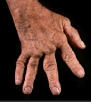 Chronic illnesses, from arthritis to cancer, are routinely reversed at
Paracelsus Clinic where they know that once you rebalance the cells, the
body will follow suit and heal.
By RICHARD LEVITON
http://www.alternativemedicine.com/
THE TOOTH THAT CAUSED ARTHRITIS
Here is a case that perfectly illustrates the way seemingly different body
systems are connected. Elinor, aged 46, had suffered from rheumatoid
arthritis for 10 years. It was especially acute in her knees. She had been
given all the standard drugs and treatments, but nothing helped.
Using electrodermal screening, Dr. Rau determined that the source of her
arthritis was a tooth, specifically, a molar that had received a root canal.
This dead tooth was situated on the acupuncture meridian for Elinor’s large
intestine and which passes through the knees on both sides of the body. In
fact, she had 2 root-canaled teeth and both affected this same meridian.
“We’ve found that every root canal can upset your health and help cause
chronic diseases,” notes Dr. Rau.
Paracelsus dentists extracted one tooth and found that the resulting cavity
in Elinor’s jawbone was infected. They cleaned it out with neural therapy,
that is, a series of local injections of common anesthetics, such as
novocaine or procaine, into the jaw. The goal was to disinfect the jawbone
and to encourage “friendly” or probiotic microorganisms to flourish there
instead.
Paracelsus Clinic is nestled amidst the Swiss Alps, making the pristine
setting itself a healing factor for its many clients.
“On the same day her tooth came out and the dental ‘focus’ was eliminated
from her body, Elinor’s knee arthritis disappeared,” says Dr. Rau. Elinor
declined having the second tooth removed, and for a time her body was able
to tolerate it. But soon she developed a severe case of dermatitis.
This made perfect sense, Dr. Rau comments, because the second root-canaled
tooth blocked the energy flow through the Large Intestine acupuncture
meridian. Problems with the skin, in Chinese medicine, are directly related
to the intestines; the meridian is the carrier of the problem. The second
tooth was removed and within 3 days, Elinor’s dermatitis began to turn
around; given the severity of skin blemishing, it took about 2 months for
her skin to return to a completely natural state.
Biological medicine contends that arthritis, which always responds poorly to
conventional medicine, is a “reaction disease,” the body trying to excrete
toxins, explains Dr. Rau. Normally, poisons leave the body through the skin,
urine, or feces, but in arthritis, owing to an imbalance, the body deposits
the toxins in the membranes around the joints.
Now, if you suppress this attempt to throw out toxins by giving cortisone or
other strong drugs, it drives the poisons further into the body and
intensifies the toxicity, says Dr. Rau. What’s needed instead is to detoxify
the system and help the body excrete the poisons through the normal channels
and not the joints. “This is how we think in biological medicine—we’re
always looking for the cause, for why the body reacts in this way,” says Dr.
Rau.
DENTAL INFECTION AND CANCER.
“Elinor’s twin problems were produced by a dental infection on her Large
Intestine energy meridian,” explains Dr. Rau. This means the problems with a
specific tooth become a focus for spreading general imbalance throughout the
body and specific disturbances in a given organ or body region. “Each tooth
relates to an acupuncture meridian,” he adds, noting that over the years, he
has compiled a dental chart mapping the precise relationship among teeth,
meridians, and illnesses. This kind of correlation is highly practical, for
example, when it comes to understanding breast cancer.
Dr. Rau estimates that in 90% of breast cancer patients he has treated,
there has been a dental infection. As the breast lies on the Stomach
meridian, if you have a problematic tooth (such as a root canal) situated on
this meridian, as it passes through the jaw it blocks the flow of energy and
can cause degeneration and eventually cancer, Dr. Rau explains. To a lesser
extent, a dental infection is also involved in the development of prostate
cancer.
Regarding cancer, about half of Dr. Rau’s inpatient hospital beds are
occupied by patients with cancer. The issue of cellular terrain is
particularly crucial with cancer because here you see degenerated tissues
that have become highly acidic, says Dr. Rau. Sugars in the diet literally
feed the cancer cells, so patients are put on sugar-restricted diets;
consumption of animal protein is also curtailed as these substances
perpetuate the terrain imbalance.
Dr. Rau’s team uses a variety of treatments to reverse cancer. First, it’s
important to replenish the nutritionally deprived system with supplements
and key trace elements. If the cells lack the necessary nutrients, then not
only is the pH thrown off balance, but the system no longer has the energy
to react therapeutically to subtle energy medicines such as homeopathy.
Second, Dr. Rau’s team may use an injectable preparation made from
mistletoe, called Iscador, whose efficacy has been well-established
throughout Europe since the 1920s.
Dr. Rau also uses SANUM remedies, developed by Dr. Guenther Enderlein
(1872-1968), a prominent exponent of pleomorphism. These medications,
injected around the tumor site, adjust the pH and cellular terrain and help
the pathogenic microorganisms revert back to harmless forms, says Dr. Rau.
In effect, the SANUM remedies help the body restore the optimal cellular
terrain for health.
“Cancer is the final stage in cellular degeneration such that these cells no
longer follow the interests of the whole body,” says Dr. Rau. “Cancer
results. To reverse this, you must profoundly detoxify then rebuild the
cellular environment. To do this, the most important element is to balance
the acid-base relationship.” The proof of the theory is that Paracelsus
Clinic does quite well in cancer reversals.
Regarding Class IV, the worst kind of cancer in which it has spread to
multiple sites, Dr. Rau’s team gets about a 50% success rate, depending on
the type of tumor. But if they can begin treatment in the early stages, when
a cancer node is first diagnosed, “then our prognosis is very good,” says
Dr. Rau. “After 7 years we have not had a patient whose cancer spread after
Stage I once we gave treatment.”
THOMAS RAU, M.D.
more info at:
Leica Microscope & Equipment
FRANK SHALLENBERGER, M.D.
You don’t normally think of oxygen as a treatment for diabetes, but
according to Frank Shallenberger, M.D., H.M.D., director of the Nevada
Center of Alternative and Anti-Aging Medicine in Carson City, Nevada, ozone
(a less stable, more reactive form of oxygen) can produce remarkable
improvements in both the major and secondary symptoms of adult-onset
diabetes. The connection between the ozone and diabetes is the blood
circulation, Dr. Shallenberger says, as demonstrated in the following cases.
Virginia, 51, had been diabetic for five years and was taking Glucotrol, an
oral medication for controlling blood sugar levels. However, Virginia came
to Dr. Shallenberger seeking treatment for recurrent breast cancer, a tumor
that periodically grew then diminished.
Dr. Shallenberger decided to ozonate her blood as ozone is often used as a
healing substance in alternative cancer treatments. He drew 150 cc of
Virginia’s blood then injected it with ozone gas. Ozonating the sample of
Virginia’s blood took about 40 minutes, after which it was reinfused into
her body. He did this daily to address the cancer.
What surprised Dr. Shallenberger in this case was that not only the breast
cancer responded to ozonation (it started to dissolve) but so did Virginia’s
diabetes. Her blood sugar levels began dropping too low (a condition called
hypoglycemia) indicating that the ozone and Glucotrol were controlling her
blood sugar too well. Dr. Shallenberger reduced her Glucotrol dosage to once
daily, then soon after, as the low blood sugar trend continued, eliminated
the drug altogether. “Practically speaking, Virginia didn’t have diabetes
any longer,” notes Dr. Shallenberger.
How did ozone bring her diabetes under control? Diabetics always run the
risk of complications, such as loss of vision, heart disease, nerve
dysfunction, and gangrenous limbs. Diabetics usually have considerable
circulation problems such that the actual blood flow to their tissues is
diminished, explains Dr. Shallenberger. Patients often have difficulty
digesting fats (such as cholesterol and triglycerides) and their arteries
tend to thicken and harden.
“This is compounded by the fact that what little blood reaches their tissues
is less effective than it should be and is unable to deliver oxygen to those
tissues,” says Dr. Shallenberger. “The tissues become oxygen depleted, which
explains why diabetics have problems with gangrene and why they’re unable to
resist infections.”
A prime reason the red blood cells in the diabetic’s blood are unable to
release their oxygen is that a key molecule called 2,3-diphosphoglycerate,
or 2,3-dpg for short, is in reduced supply. Under normal conditions, 2,3-dpg
stimulates red blood cells which carry oxygen to deliver it to the tissues;
but if there isn’t enough of this molecule in the system, the red blood
cells can’t deliver the oxygen.
When you introduce ozone—that is, more oxygen—into the blood, more 2,3-dpg
is produced and the oxygen-delivery system and the efficiency of blood
circulation start to improve. The ozone also appears to enhance the activity
of cellular metabolism, the continual conversion of food into energy. Dr.
Shallenberger likens the metabolism-heightening effect of ozone to a similar
benefit to diabetics obtained through vigorous exercise. It oxygenates the
tissues and gets all the body processes running better, he says.
Levels of ATP, an important molecule which stores energy in the cells, are
also enhanced through ozonation. Among other functions, ATP helps each cell
maintain the integrity of its membrane, thereby enabling it to regulate the
passage of materials into and out of the cell, says Dr. Shallenberger. If
the cell membrane collapses, the cell dies; if a lot of cells die, you start
getting tissue death, and gangrene becomes a possibility.
Gangrene in a toe was a serious diabetic complication besetting Quentin, 50.
His diabetes was poorly controlled, mainly because he was reluctant to
comply with dietary restrictions, says Dr. Shallenberger.
Specifically, he didn’t want to give up drinking beer. Even with a daily
dosage of four Micronase pills (another blood sugar–controlling drug),
Quentin’s blood sugar level was around 230; a safe, normal level ranges
between 70 and 120.
Dr. Shallenberger already had worked with Quentin for two years, prescribing
dietary changes, herbs, and supplements, but when Quentin developed gangrene
on the third toe of his right foot and conventional doctors were scheduling
him for amputation at the ankle, Dr. Shallenberger decided to try ozonation.
“Quentin’s toe was completely black and they were going to amputate his
entire foot because the rest of the tissue was on the borderline of becoming
gangrenous, too,” he notes.
For Quentin’s treatment, Dr. Shallenberger added another element to the
ozonation procedure: chelation. The chelation would help improve Quentin’s
blood circulation by removing heavy metals and arterial plaque. Dr.
Shallenberger calls his combined treatment “chezone.”
Chelation improves blood circulation to the tissues, he explains, which
means they get more oxygen. This in turn improves their metabolic rate
(energy processing efficiency) and enables them to make better use of
glucose (blood sugar). When you have higher efficiency in using glucose, you
are much closer to controlling the diabetes naturally, says Dr.
Shallenberger. Using ozone, as stated above, helps the patient utilize the
available oxygen better, due to improved circulation. Combining chelation
with ozone in effect doubles the circulation benefits.
In addition to chezone, Dr. Shallenberger put an ozone extremity bag around
Quentin’s right foot, filled it with ozone gas, and left it in place for 20
minutes. In this way, the ozone was absorbed through the skin, an approach
that has proven successful in treating chronic sores and skin ulcers, says
Dr. Shallenberger.
Each time he gave Quentin a chezone treatment (ten in all, one per day), he
also ozonated his foot. After about two weeks, the foot was much improved;
the area between the ankle and gangrenous toe had healed which meant only
the toe would have to be amputated.
After the surgery, Quentin hurt his foot in such a way that the stitches
broke open and a large ulcerating sore formed. His doctors talked about
amputation again, but after another six weeks of chezone and foot ozonation
treatments, Quentin’s foot healed again. Following the first two weeks of
intensive treatments, Dr. Shallenberger gave him a chezone once weekly and
foot ozonation three times weekly. In ensuing months, Quentin received
maintenance treatments.
About ten weeks after the first chezone treatment, “the lesion in Quentin’s
foot was entirely healed and he was down to only two Micronase pills a day,”
says Dr. Shallenberger. “If I had been able to treat his toe before it went
black, I probably could have saved it.” As it turned out, Dr. Shallenberger
did save Quentin’s right foot twice. “I’m not convinced you can get all
diabetics off their medication. To me the point is how well you can control
the blood sugar.”
In the case of Leonard, 64, controlling his sugar intake was central to
being able to get his diabetes and gangrene complications under control.
Leonard, who developed diabetes six years earlier, was on insulin and
Glucophage (another diabetes drug) to control his blood sugar levels.
However, Leonard developed a blister on the sole of his foot; when this
became infected, his doctor cleaned out all the infected tissue, leaving a
hole in his foot. Over a three-month period, this wound failed to heal even
with antibiotics and Leonard’s doctors were talking about amputating his
foot.
Dr. Shallenberger started Leonard on the same combination chezone and foot
ozonation program that had worked so well for Quentin. Then he added a piece
of advice. “You must cut down on your sugar intake.” Leonard ate a lot of
white sugar in his diet and none of his conventional doctors apparently made
the link between high dietary sugar intake and the inability of his
infection to heal. “White blood cells, the immune cells that fight
infection, cease to function in the presence of elevated glucose levels,”
says Dr. Shallenberger.
After two treatments, Leonard’s foot was noticeably improved and his energy
levels were heightened. The initial progress motivated Leonard to comply
fully with the program. Dr. Shallenberger started Leonard on a series of
nutrients and remedies including chromium and vanadium, to help his body
utilize its natural pancreatic insulin.
People with adult-onset diabetes produce insulin but their system becomes
unable to use it, a condition called insulin resistance. In fact, the
pancreas of such a patient generally produces too much insulin; as the body
fails to act on this insulin, the pancreas produces yet more. The minerals
chromium and vanadium break this cycle and support the body in making use
again of pancreatic insulin, says Dr. Shallenberger.
Among the other elements of Leonard’s program were pancreatic enzymes (to
support pancreas function and to improve digestion; 400-800 mg three times
daily), the hormone melatonin (to bolster the immune system; 3 mg once
daily), and the hormone DHEA, levels of which tend to be about 50% below
normal in diabetics.
Low DHEA levels may help explain the characteristic weight gain in people
with adult-onset diabetes, says Dr. Shallenberger. He notes that DHEA doses
will vary with each patient. “Women should take enough (usually 10-25 mg
daily) to raise the serum DHEA-sulfate to between 2,000 and 3,000 mg/ml,
while men should take enough (usually 50-100 mg daily) to raise it to
between 3,000 and 4,000 mg/ml.”
He also gave Leonard a specialized product (made from the fungus Mucor
racemosus) called Mucokehl, developed in Germany by the Sanum company, and
now used selectively (as part of a line of several dozen similar substances)
by North American physicians. The Mucokehl would help regulate
microorganisms which affect the thickness and texture of the blood.
After a month of treatments, Leonard’s foot was completely healed, says Dr.
Shallenberger. As his blood sugar came under better control, Leonard was
able to lower his daily insulin intake and resume his busy life.
More information at:
You don’t normally think of oxygen as a treatment for diabetes, but
according to Frank Shallenberger, M.D., H.M.D., director of the Nevada
Center of Alternative and Anti-Aging Medicine in Carson City, Nevada, ozone
(a less stable, more reactive form of oxygen) can produce remarkable
improvements in both the major and secondary symptoms of adult-onset
diabetes. The connection between the ozone and diabetes is the blood
circulation, Dr. Shallenberger says, as demonstrated in the following cases.
Virginia, 51, had been diabetic for five years and was taking Glucotrol, an
oral medication for controlling blood sugar levels. However, Virginia came
to Dr. Shallenberger seeking treatment for recurrent breast cancer, a tumor
that periodically grew then diminished.
Dr. Shallenberger decided to ozonate her blood as ozone is often used as a
healing substance in alternative cancer treatments. He drew 150 cc of
Virginia’s blood then injected it with ozone gas. Ozonating the sample of
Virginia’s blood took about 40 minutes, after which it was reinfused into
her body. He did this daily to address the cancer.
What surprised Dr. Shallenberger in this case was that not only the breast
cancer responded to ozonation (it started to dissolve) but so did Virginia’s
diabetes. Her blood sugar levels began dropping too low (a condition called
hypoglycemia) indicating that the ozone and Glucotrol were controlling her
blood sugar too well. Dr. Shallenberger reduced her Glucotrol dosage to once
daily, then soon after, as the low blood sugar trend continued, eliminated
the drug altogether. “Practically speaking, Virginia didn’t have diabetes
any longer,” notes Dr. Shallenberger.
How did ozone bring her diabetes under control? Diabetics always run the
risk of complications, such as loss of vision, heart disease, nerve
dysfunction, and gangrenous limbs. Diabetics usually have considerable
circulation problems such that the actual blood flow to their tissues is
diminished, explains Dr. Shallenberger. Patients often have difficulty
digesting fats (such as cholesterol and triglycerides) and their arteries
tend to thicken and harden.
“This is compounded by the fact that what little blood reaches their tissues
is less effective than it should be and is unable to deliver oxygen to those
tissues,” says Dr. Shallenberger. “The tissues become oxygen depleted, which
explains why diabetics have problems with gangrene and why they’re unable to
resist infections.”
A prime reason the red blood cells in the diabetic’s blood are unable to
release their oxygen is that a key molecule called 2,3-diphosphoglycerate,
or 2,3-dpg for short, is in reduced supply. Under normal conditions, 2,3-dpg
stimulates red blood cells which carry oxygen to deliver it to the tissues;
but if there isn’t enough of this molecule in the system, the red blood
cells can’t deliver the oxygen.
When you introduce ozone—that is, more oxygen—into the blood, more 2,3-dpg
is produced and the oxygen-delivery system and the efficiency of blood
circulation start to improve. The ozone also appears to enhance the activity
of cellular metabolism, the continual conversion of food into energy. Dr.
Shallenberger likens the metabolism-heightening effect of ozone to a similar
benefit to diabetics obtained through vigorous exercise. It oxygenates the
tissues and gets all the body processes running better, he says.
Levels of ATP, an important molecule which stores energy in the cells, are
also enhanced through ozonation. Among other functions, ATP helps each cell
maintain the integrity of its membrane, thereby enabling it to regulate the
passage of materials into and out of the cell, says Dr. Shallenberger. If
the cell membrane collapses, the cell dies; if a lot of cells die, you start
getting tissue death, and gangrene becomes a possibility.
Gangrene in a toe was a serious diabetic complication besetting Quentin, 50.
His diabetes was poorly controlled, mainly because he was reluctant to
comply with dietary restrictions, says Dr. Shallenberger.
Specifically, he didn’t want to give up drinking beer. Even with a daily
dosage of four Micronase pills (another blood sugar–controlling drug),
Quentin’s blood sugar level was around 230; a safe, normal level ranges
between 70 and 120.
Dr. Shallenberger already had worked with Quentin for two years, prescribing
dietary changes, herbs, and supplements, but when Quentin developed gangrene
on the third toe of his right foot and conventional doctors were scheduling
him for amputation at the ankle, Dr. Shallenberger decided to try ozonation.
“Quentin’s toe was completely black and they were going to amputate his
entire foot because the rest of the tissue was on the borderline of becoming
gangrenous, too,” he notes.
For Quentin’s treatment, Dr. Shallenberger added another element to the
ozonation procedure: chelation. The chelation would help improve Quentin’s
blood circulation by removing heavy metals and arterial plaque. Dr.
Shallenberger calls his combined treatment “chezone.”
Chelation improves blood circulation to the tissues, he explains, which
means they get more oxygen. This in turn improves their metabolic rate
(energy processing efficiency) and enables them to make better use of
glucose (blood sugar). When you have higher efficiency in using glucose, you
are much closer to controlling the diabetes naturally, says Dr.
Shallenberger. Using ozone, as stated above, helps the patient utilize the
available oxygen better, due to improved circulation. Combining chelation
with ozone in effect doubles the circulation benefits.
In addition to chezone, Dr. Shallenberger put an ozone extremity bag around
Quentin’s right foot, filled it with ozone gas, and left it in place for 20
minutes. In this way, the ozone was absorbed through the skin, an approach
that has proven successful in treating chronic sores and skin ulcers, says
Dr. Shallenberger.
Each time he gave Quentin a chezone treatment (ten in all, one per day), he
also ozonated his foot. After about two weeks, the foot was much improved;
the area between the ankle and gangrenous toe had healed which meant only
the toe would have to be amputated.
After the surgery, Quentin hurt his foot in such a way that the stitches
broke open and a large ulcerating sore formed. His doctors talked about
amputation again, but after another six weeks of chezone and foot ozonation
treatments, Quentin’s foot healed again. Following the first two weeks of
intensive treatments, Dr. Shallenberger gave him a chezone once weekly and
foot ozonation three times weekly. In ensuing months, Quentin received
maintenance treatments.
About ten weeks after the first chezone treatment, “the lesion in Quentin’s
foot was entirely healed and he was down to only two Micronase pills a day,”
says Dr. Shallenberger. “If I had been able to treat his toe before it went
black, I probably could have saved it.” As it turned out, Dr. Shallenberger
did save Quentin’s right foot twice. “I’m not convinced you can get all
diabetics off their medication. To me the point is how well you can control
the blood sugar.”
In the case of Leonard, 64, controlling his sugar intake was central to
being able to get his diabetes and gangrene complications under control.
Leonard, who developed diabetes six years earlier, was on insulin and
Glucophage (another diabetes drug) to control his blood sugar levels.
However, Leonard developed a blister on the sole of his foot; when this
became infected, his doctor cleaned out all the infected tissue, leaving a
hole in his foot. Over a three-month period, this wound failed to heal even
with antibiotics and Leonard’s doctors were talking about amputating his
foot.
Dr. Shallenberger started Leonard on the same combination chezone and foot
ozonation program that had worked so well for Quentin. Then he added a piece
of advice. “You must cut down on your sugar intake.” Leonard ate a lot of
white sugar in his diet and none of his conventional doctors apparently made
the link between high dietary sugar intake and the inability of his
infection to heal. “White blood cells, the immune cells that fight
infection, cease to function in the presence of elevated glucose levels,”
says Dr. Shallenberger.
After two treatments, Leonard’s foot was noticeably improved and his energy
levels were heightened. The initial progress motivated Leonard to comply
fully with the program. Dr. Shallenberger started Leonard on a series of
nutrients and remedies including chromium and vanadium, to help his body
utilize its natural pancreatic insulin.
People with adult-onset diabetes produce insulin but their system becomes
unable to use it, a condition called insulin resistance. In fact, the
pancreas of such a patient generally produces too much insulin; as the body
fails to act on this insulin, the pancreas produces yet more. The minerals
chromium and vanadium break this cycle and support the body in making use
again of pancreatic insulin, says Dr. Shallenberger.
Among the other elements of Leonard’s program were pancreatic enzymes (to
support pancreas function and to improve digestion; 400-800 mg three times
daily), the hormone melatonin (to bolster the immune system; 3 mg once
daily), and the hormone DHEA, levels of which tend to be about 50% below
normal in diabetics.
Low DHEA levels may help explain the characteristic weight gain in people
with adult-onset diabetes, says Dr. Shallenberger. He notes that DHEA doses
will vary with each patient. “Women should take enough (usually 10-25 mg
daily) to raise the serum DHEA-sulfate to between 2,000 and 3,000 mg/ml,
while men should take enough (usually 50-100 mg daily) to raise it to
between 3,000 and 4,000 mg/ml.”
He also gave Leonard a specialized product (made from the fungus Mucor
racemosus) called Mucokehl, developed in Germany by the Sanum company, and
now used selectively (as part of a line of several dozen similar substances)
by North American physicians. The Mucokehl would help regulate
microorganisms which affect the thickness and texture of the blood.
After a month of treatments, Leonard’s foot was completely healed, says Dr.
Shallenberger. As his blood sugar came under better control, Leonard was
able to lower his daily insulin intake and resume his busy life.
More information at:
more discussion: Forum
· Addiction Forum · Ask the Doctors Forum · Ayurveda Forum · Ayurvedic & Thai Herbs Forum · Colon Cleansing Forum · Dental Forum · Diabetes Forum · Diet Forum · General Cleansing Forum · Hepatitis A, B. C Forum · Integrated Medicine Forum · Live Blood Analysis Forum · Ozone-Oxygen-Forum · pH - Alkaline - Acidity Forum · Weight Loss Forum
Can a Test Detect the Early Signs of MS?
For those of you who suffer from multiple sclerosis (MS) and worry that other members of your family may have it too, there may be some good news on the way about identifying this condition early on, according to researchers at Johns Hopkins University.
Although no simple blood test currently exists for flagging MS, scientists believe the presence of a spinal fluid protein -- 12.5kDa cystatin -- may be a credible indicator of it. Based on an analysis of the cerebrospinal fluid (the watery substance that cushions and surrounds the brain and spinal cord) taken from 29 patients suffering from MS or its symptoms, this protein was present in two-thirds of them.
How it works: 12.5kDa cystatin is the product of cystatin C, a larger protein that blocks cathepsin B, an enzyme linked to nerve sheath destruction and MS.
In the meantime, if you're taking interferons for MS, you shouldn't be. Although interferons have the appeal of "a natural therapy," they really aren't. Moreover, these drugs force the body to create an unnatural level that's unlikely to be anything but randomly associated with an optimal level. What that in mind, you'll want to review a recent article I posted about treating MS safely.
Annals of Neurology, Vol. 59, No. 2, February 2006: 237-247
EurekAlert March 3, 2006
Yahoo News March 13, 2006
Although no simple blood test currently exists for flagging MS, scientists believe the presence of a spinal fluid protein -- 12.5kDa cystatin -- may be a credible indicator of it. Based on an analysis of the cerebrospinal fluid (the watery substance that cushions and surrounds the brain and spinal cord) taken from 29 patients suffering from MS or its symptoms, this protein was present in two-thirds of them.
How it works: 12.5kDa cystatin is the product of cystatin C, a larger protein that blocks cathepsin B, an enzyme linked to nerve sheath destruction and MS.
In the meantime, if you're taking interferons for MS, you shouldn't be. Although interferons have the appeal of "a natural therapy," they really aren't. Moreover, these drugs force the body to create an unnatural level that's unlikely to be anything but randomly associated with an optimal level. What that in mind, you'll want to review a recent article I posted about treating MS safely.
Annals of Neurology, Vol. 59, No. 2, February 2006: 237-247
EurekAlert March 3, 2006
Yahoo News March 13, 2006
Why is More Tamiflu Being Produced For a Nonexistent Pandemic?
Despite its reputation as a worthless drug in the "battle" against the avian flu, you'll be seeing more of Tamiflu. Mega-drugmaker Roche Pharmaceuticals will expand production of its flu drug by a third over the course of 2006.
I suspect this excess production is connected to Roche's agreement with 65 countries to stockpile Tamiflu should a flu pandemic ever occur. For that matter, the supply of Tamiflu shouldn't exceed the debatable demand either. Roche has agreements with 15 other companies to produce the components necessary to make Tamiflu and has sublicensed its patent to companies in India and China to make generic versions of the useless drug.
Amazing how that pandemic the so-called experts and media pundits predicted this past winter just never came to pass...
Just another reminder, you don't need any drug or vaccine to protect you from the flu, if you follow my safe and proven flu protocol.
USA Today March 16, 2006
I suspect this excess production is connected to Roche's agreement with 65 countries to stockpile Tamiflu should a flu pandemic ever occur. For that matter, the supply of Tamiflu shouldn't exceed the debatable demand either. Roche has agreements with 15 other companies to produce the components necessary to make Tamiflu and has sublicensed its patent to companies in India and China to make generic versions of the useless drug.
Amazing how that pandemic the so-called experts and media pundits predicted this past winter just never came to pass...
Just another reminder, you don't need any drug or vaccine to protect you from the flu, if you follow my safe and proven flu protocol.
USA Today March 16, 2006
Sunday, March 19, 2006
Liver cleanse - Gallbladder cleanse - Liver flush
Liver cleanse - Gallbladder cleanse - Liver flush
Copyright notice: "The Cure for all Diseases"Permission is hereby granted to make copies of any part of this document for non-commercial purposes provided the original copyright notice with the author's name is included."The Cure for all Diseases": Copyright 1995 by Hulda Regehr Clark, Ph.D., N.D. All rights reserved.
Liver cleanse - Gallbladder cleanse - Liver flush
Excerpt from the book:
"Cleansing the liver of gallstones dramatically improves digestion, which is the basis of your whole health. You can expect your allergies to disappear, too, more with each cleanse you do! Incredibly, it also eliminates shoulder, upper arm, and upper back pain. You have more energy and increased sense of well being.
It is the job of the liver to make bile, 1 to 1.5 quarts in a day! The liver is full of tubes (biliary tubing) that deliver the bile to one large tube (the common bile duct). The gallbladder is attached to the common bile duct and acts as a storage reservoir. Eating fat or protein triggers the gallbladder to squeeze itself empty after about twenty minutes, and the stored bile finishes its trip down the common bile duct to the intestine.
For many persons, including children, the biliary tubing is choked with gallstones. Some develop allergies or hives but some have no symptoms. When the gallbladder is scanned or X-rayed nothing is seen. Typically, they are not in the gallbladder. Not only that, most are too small and not calcified, a prerequisite for visibility on an X-ray. There are over half a dozen varieties of gallstones, most of which have cholesterol crystals in them. They can be black, red, white, green or tan colored. The green ones get their color from being coated with bile. Notice in the picture (pg. 545) how many have imbedded unidentified objects. Are they fluke remains? Notice how man are shaped like corks with longitudinal grooves below the tops. We can visualize the blocked bile ducts from such shapes. Other stones are composites- made of many smaller ones- showing that they regrouped in the bile ducts some time after the last cleanse.
At the very center of each stone is found a clump of bacteria, according to scientists, suggesting a dead bit of parasite might have started the stone forming.
As the stones grow and become more numerous the back pressure on the liver causes it to make less bile. Imagine the situation if your garden hose had marbles in it. Much less water would flow, which in turn would decrease the ability of the hose to squirt out the marbles. With gallstones, much less cholesterol leaves the body, and cholesterol levels rise.
Gallstones, being porous, can pick up all the bacteria, cysts, viruses and parasites that are passing through the liver. In this way "nests" of infection are formed, forever supplying the body with fresh bacteria. No stomach infection such as ulcers or intestinal bloating can be cured permanently without removing these gallstones from the liver.
Preparation
You can't clean a liver with living parasites in it. You won't get out many stones, and will feel quite sick. Zap daily the week before, or get through the first three weeks of the parasite killing program before attempting a liver cleanse. If you are on a parasite maintenance program, do a high dose program the week before.
Completing the kidney cleanse before cleansing the liver is also recommended. You want your kidneys, bladder and urinary tract in top working condition so they can efficiently remove any undesirable substances incidentally absorbed from the intestine as the bile is being excreted.
Do any dental work first, if possible. Your mouth should be metal free and bacteria free (cavitations are cleaned). A toxic mouth can put a heavy load on the liver, burdening it immediately after cleansing. Eliminate that problem first for best results.
more info at: www.dreddyclinic.com
Copyright notice: "The Cure for all Diseases"Permission is hereby granted to make copies of any part of this document for non-commercial purposes provided the original copyright notice with the author's name is included."The Cure for all Diseases": Copyright 1995 by Hulda Regehr Clark, Ph.D., N.D. All rights reserved.
Liver cleanse - Gallbladder cleanse - Liver flush
Excerpt from the book:
"Cleansing the liver of gallstones dramatically improves digestion, which is the basis of your whole health. You can expect your allergies to disappear, too, more with each cleanse you do! Incredibly, it also eliminates shoulder, upper arm, and upper back pain. You have more energy and increased sense of well being.
It is the job of the liver to make bile, 1 to 1.5 quarts in a day! The liver is full of tubes (biliary tubing) that deliver the bile to one large tube (the common bile duct). The gallbladder is attached to the common bile duct and acts as a storage reservoir. Eating fat or protein triggers the gallbladder to squeeze itself empty after about twenty minutes, and the stored bile finishes its trip down the common bile duct to the intestine.
For many persons, including children, the biliary tubing is choked with gallstones. Some develop allergies or hives but some have no symptoms. When the gallbladder is scanned or X-rayed nothing is seen. Typically, they are not in the gallbladder. Not only that, most are too small and not calcified, a prerequisite for visibility on an X-ray. There are over half a dozen varieties of gallstones, most of which have cholesterol crystals in them. They can be black, red, white, green or tan colored. The green ones get their color from being coated with bile. Notice in the picture (pg. 545) how many have imbedded unidentified objects. Are they fluke remains? Notice how man are shaped like corks with longitudinal grooves below the tops. We can visualize the blocked bile ducts from such shapes. Other stones are composites- made of many smaller ones- showing that they regrouped in the bile ducts some time after the last cleanse.
At the very center of each stone is found a clump of bacteria, according to scientists, suggesting a dead bit of parasite might have started the stone forming.
As the stones grow and become more numerous the back pressure on the liver causes it to make less bile. Imagine the situation if your garden hose had marbles in it. Much less water would flow, which in turn would decrease the ability of the hose to squirt out the marbles. With gallstones, much less cholesterol leaves the body, and cholesterol levels rise.
Gallstones, being porous, can pick up all the bacteria, cysts, viruses and parasites that are passing through the liver. In this way "nests" of infection are formed, forever supplying the body with fresh bacteria. No stomach infection such as ulcers or intestinal bloating can be cured permanently without removing these gallstones from the liver.
Preparation
You can't clean a liver with living parasites in it. You won't get out many stones, and will feel quite sick. Zap daily the week before, or get through the first three weeks of the parasite killing program before attempting a liver cleanse. If you are on a parasite maintenance program, do a high dose program the week before.
Completing the kidney cleanse before cleansing the liver is also recommended. You want your kidneys, bladder and urinary tract in top working condition so they can efficiently remove any undesirable substances incidentally absorbed from the intestine as the bile is being excreted.
Do any dental work first, if possible. Your mouth should be metal free and bacteria free (cavitations are cleaned). A toxic mouth can put a heavy load on the liver, burdening it immediately after cleansing. Eliminate that problem first for best results.
more info at: www.dreddyclinic.com
Are Flavored Cigarettes Safer?
 Are Flavored Cigarettes Safer?:
Bidis (pronounced “bee-dees”) are hand-rolled cigarettes imported into the United States from India and elsewhere in Southeast Asia.
The cigarettes are small and thin and have been hand-rolled in the leaves of tendu or temburni plants native to Asia. Some are flavored with chocolate, cherry or mango. Clove flavored cigarettes called kreteks (pronounced “cree-techs”) are imported from Indonesia and contain tobacco, cloves and other additives.
Both bidis and kreteks have higher concentrations of nicotine, tar and carbon monoxide than traditional cigarettes. According to the American Lung Association of Oregon the smoke from a bidi contains three times as much nicotine and carbon monoxide and five times as much tar as smoke from regularly filtered cigarettes. Due to their higher nicotine levels bidis are more addictive than normal cigarettes.
No studies of the health effects of either bidis or kreteks have been done in the United States, but studies from India indicate that smoking bidis is associated with increased risks of lung cancer, oral cancer and cancers of the esophagus and stomach. Indian studies also have found more than three times the normal risk of heart disease and heart attack and nearly four times the normal risk advertisement of chronic bronchitis among bidis smokers.
And, according to the U.S. Centers for Disease Control and Prevention (CDC), Indonesian studies have shown that regular smoking of kretek cigarettes increases the risk of abnormal lung function 13-20 times compared with nonsmokers.
The CDC estimates that three percent of U.S. high school students smoke bidis and three percent smoke kreteks. Boys are more likely to smoke these cigarettes than girls. Among middle school students, an estimated two percent smoke bidis and two percent smoke kreteks.
Unhappily, U.S. cigarette manufacturers now produce an assortment of flavored cigarettes that health authorities have warned are an attempt to attract young teenage smokers.
Teenagers may not realize that no matter where they come from or what they’re flavored with, cigarettes are made with tobacco and present the same – or worse – threats to health as ordinary unflavored products. Remember that inhaled nicotine is just as addictive as crack cocaine or crystal methamphetamine. Moreover, young people need to know that wrapping tobacco in a leaf and flavoring it with a natural substance such as cloves doesn’t make it any less dangerous than it would be in more conventional forms.
Andrew Weil, M.D. – Author of:
Friday, March 17, 2006
DrEddyClinic.com :: View topic - Günther Enderlein (1872-1968) of Germany
DrEddyClinic.com :: View topic - Günther Enderlein (1872-1968) of Germany: "Günther Enderlein (1872-1968) of Germany is the researcher who will forever be inseparable from pleomorphism, isopathy and homeopathy.
Dr. Enderlein built upon the research of Antoine Béchamp and proved that blood is not sterile, and that a microorganism can appear in various developmental stages and in diverse forms, without the loss of its specific characteristics.
Through intensive research, Dr. Enderlein came to the conclusion that the monomorphistic perspective of disease conditions favored by Dr. Louis Pasteur and others could no longer be maintained, and that a pleomorphic perspective more accurately reflected the disease process.
Dr. Enderlein discovered in 1916 that primitive microorganic forms prepared in a remedy, when combined with a change in the biological terrain (or milieu) of the body, can cause virulent forms to return to their original avirulent condition, bringing healing to the host body.
He found that when the tiniest, mobile living forms of bacteria, which he called “spermits,” exchanged genetic material with higher developmental organisms, the highly developed organisms became suddenly invisible, having been broken down to their primitive, avirulent forms. Using this knowledge, he developed homeopathic and isopathic remedies from fungal cultures. When these living remedies contact virulent microbial masses, the masses are induced to return to their avirulent form, and then leave the body through the natural organs of elimination.
Enderlein devoted his whole life and all of his scientific work to proving this thesis and to developing the homeopathic and isopathic remedies that rose from it.
SANUM-Kehlbeck, owns the exclusive right to manufacture Dr"
Dr. Enderlein built upon the research of Antoine Béchamp and proved that blood is not sterile, and that a microorganism can appear in various developmental stages and in diverse forms, without the loss of its specific characteristics.
Through intensive research, Dr. Enderlein came to the conclusion that the monomorphistic perspective of disease conditions favored by Dr. Louis Pasteur and others could no longer be maintained, and that a pleomorphic perspective more accurately reflected the disease process.
Dr. Enderlein discovered in 1916 that primitive microorganic forms prepared in a remedy, when combined with a change in the biological terrain (or milieu) of the body, can cause virulent forms to return to their original avirulent condition, bringing healing to the host body.
He found that when the tiniest, mobile living forms of bacteria, which he called “spermits,” exchanged genetic material with higher developmental organisms, the highly developed organisms became suddenly invisible, having been broken down to their primitive, avirulent forms. Using this knowledge, he developed homeopathic and isopathic remedies from fungal cultures. When these living remedies contact virulent microbial masses, the masses are induced to return to their avirulent form, and then leave the body through the natural organs of elimination.
Enderlein devoted his whole life and all of his scientific work to proving this thesis and to developing the homeopathic and isopathic remedies that rose from it.
SANUM-Kehlbeck, owns the exclusive right to manufacture Dr"
Thursday, March 16, 2006
Revisiting Enderlein's Perspective in the 21st Century
Revisiting Enderlein's Perspective in the 21st Century
© Copyright 2001 by Michael Coyle, USA (Explore Issue: Volume 10, Number 3)
As an individual who provides training in the Enderlein perspective, including the Live or Native Blood Analysis for the health care community, I am in contact with many individuals who are representative of divergent scientific and philosophical backgrounds. The queries that I receive during training sessions are often quite provocative and I have learned to use the three magic words that all good researchers and lecturers must include in their vocabularies. These words are "I don't know," and must be applied judiciously under the appropriate circumstances. I would like to take this opportunity to consider just what we do and do not know regarding Dr. Günther Enderlein's work from today's scientific perspective, with the intention of possibly provoking some consideration on the part of individuals who are interested in the subject.
Here is what we know:
Enderlein was a class A genius. I can personally vouch for the fact that some of what he described morphologically was never viewed by him microscopically, but was an extrapolation that has proven it to be 100% correct due to the advent of such technologies as the scanning electron microscope and the imaging, which is producible thereby.
The conventional laboratory perspective and microscopic imaging equipment that is commonly utilized today does not reveal the majority of the morphological structures that Enderlein described, nor does the scientific community have a working description or perspective for evaluation of those structures when presented with them. It may presume to, but upon closer examination, technicians of that variety must acquiesce and concede to the fact that they are not familiar with the structures, which are viewed, nor their meaning and function.
Polymorphism is a fact, certainly in some species of microorganisms (especially fungal), and is clearly demonstrable microscopically with the proper equipment.
Very little has been done to track the species specificity of these polymorphic variants in and through their varying polymorphic phases of development. The understanding has not been scientifically translated into today's predominant scientific perspective and language, namely genetics. The practical implication of this is that until the DNA sequences have been determined for the complete Cyclogeny as described by Enderlein, the perspective will not enter the mainstream as a 'provable' science, partially due to the fact that it does not translate readily into current scientific terminology.
The Enderlein remedies have a long history of efficacy and provide clinical evidence of the relationship between the isopathic remedy utilized, and the desired observable effect. What this means is that although it hasn't been fully explained or understood exactly why a given remedy works, that it works nevertheless. This also implies that for the practitioner or clinician, there is not a great deal of impetus to create the necessary data to prove the efficacy scientifically. Because these remedies are a product of Nature, pharmaceutical companies, which deal in patentable fractions of Nature, will never likely develop an interest in putting the necessary funds in motion to do the proving.
The disappointing news is that we don't have a working language and perspective that will likely be shared by all in the near future. The good news is that we have a working system for correction of the terrain imbalance that has a long track record of efficacy. A bird in the hand, perhaps?
People sometimes expect me, because I use Enderlein's concepts and discoveries as a platform for my presentations, to be defensive regarding people questioning the paradigm. My actual position is: I would be just as happy to have proven as disproved Enderlein theory as it relates to morphological progressions and their species specificity. I have not seen that evidence in either direction--proof or disproof. What I have seen is the remarkable degree to which the working hypothesis of Enderlein stands for itself. What I have not seen much of is scientific proving to the contrary. A good example of this is that every time that I encounter a naysayer, I ask for a description then of 'just what it is that we are undeniably viewing' in the polymorphic progressions that occur in blood pictures. I have never to this day had anyone claim of "bunkum," a favorite word used to describe "quackery," and give me a reasonable explanation of just what we are looking at. In fact, the majority is even incorrect in the description of the traditionally noted blood elements when viewed in a Darkfield, because they have never seen them that way. This does not stop their jaws from dropping when it is their blood being viewed.
I therefore am equally frustrated due to the lack of affirmation as well as the inability to disprove Enderlein and have that be a step towards proving any other concept. Therefore, I believe that it can be said that the momentum of the times, characterized by the language of DNA, has overshadowed any real desire to even consider rather than dismiss something as compelling as blood examination in the Darkfield.
This tendency towards the function of doubt as a scientific method is always creating the threat of exclusivity of this method in the pursuit of ultimate scientific knowledge, as if such a thing existed. In fact, though, theory evolves constantly and an example of this is the recent disproving of particle theory. So what was proof yesterday turns out to be an outmoded concept today.
In reality though, the reason that Darkfield examination is compelling is that it is equally an art as well as a science. Does the painter know exactly what his creation will look like before he paints it? If he did, why wouldn't he not just make a static copy, a photograph? The painter is seeking the essence or living spirit of the subject, as also is the practitioner performing the living process and dynamic art of Native Blood Evaluation. As the painter may have studied the work of others--technique, blending of colors, preparation of a canvas, and so on, so must the Darkfield practitioner know his stuff, the correct amounts and condition of cells and other numerous factors and then must practice the art of putting all of that together with the profile of the subject. This art may provide the subject of the evaluation with a most important piece of the puzzle towards regaining equanimity, which is a real starting point to work from, and the coaching of an expert who has taken many down the road to recovery. This is much more tangible, compelling and inspiring than a number of sheets of mystified, abstracted numbers, values and terms.
I am constantly amazed that people who are sick will accept a diagnosis, a "naming" of a condition as sufficient! What about what caused and is causing the trouble, and what about a solution that takes everything into account about the condition and the person, rather than attempting to just eliminate the result of the condition?
I would also like to mention before I go further that there is an e-group discussion forum available to practitioners of the art. I highly recommend it, as it is a conversation that is full of feedback from numerous practitioners and is probably one of the best educational formats that you could possibly find for the established practitioner. To become a part of this forum contact the owner of the group, Dr. Rob Abbott and tell him that you saw it here.
Another note of great interest is the development of a National Microscopy Association, which is headed up by Jed Adamson and has recently accomplished the status of a not-for-profit Foundation. This is a membership association for practitioners only with the express intention of organizing research results, establishing a self-governing membership and creating a clarified legal position for practitioners. I can endorse this organization personally, and am a member of it. This non-profit foundation will be instrumental in moving the Enderlein perspective and microscopic blood evaluation altogether into the 21st century, especially at the level of politics and legalities. It is the only non-commerce driven vehicle of its type, which is concentrated in the legal and political arenas and is not an extension of NuLife Sciences or any other commercial organization. Joining this organization will help to assure your right to perform research in the area of live blood analysis and to demonstrate to CLIA and other similar Federal and State organizations our serious intention to be self-governing.
I was recently interviewed by a functionary from the Dept. of Health and Hygiene, which has been commissioned by CLIA to make a recommendation regarding CLIA statutes as they relate to CAM (Complimentary and Alternative Medicine). There is some interest in revising CLIA guidelines to be more reflective of the new understanding of CAM. There was also an expressed interest in not inhibiting research in his area. A report will be available soon on the actual recommendation that was made to CLIA.
more info at: www.dreddyclinic.com
© Copyright 2001 by Michael Coyle, USA (Explore Issue: Volume 10, Number 3)
As an individual who provides training in the Enderlein perspective, including the Live or Native Blood Analysis for the health care community, I am in contact with many individuals who are representative of divergent scientific and philosophical backgrounds. The queries that I receive during training sessions are often quite provocative and I have learned to use the three magic words that all good researchers and lecturers must include in their vocabularies. These words are "I don't know," and must be applied judiciously under the appropriate circumstances. I would like to take this opportunity to consider just what we do and do not know regarding Dr. Günther Enderlein's work from today's scientific perspective, with the intention of possibly provoking some consideration on the part of individuals who are interested in the subject.
Here is what we know:
Enderlein was a class A genius. I can personally vouch for the fact that some of what he described morphologically was never viewed by him microscopically, but was an extrapolation that has proven it to be 100% correct due to the advent of such technologies as the scanning electron microscope and the imaging, which is producible thereby.
The conventional laboratory perspective and microscopic imaging equipment that is commonly utilized today does not reveal the majority of the morphological structures that Enderlein described, nor does the scientific community have a working description or perspective for evaluation of those structures when presented with them. It may presume to, but upon closer examination, technicians of that variety must acquiesce and concede to the fact that they are not familiar with the structures, which are viewed, nor their meaning and function.
Polymorphism is a fact, certainly in some species of microorganisms (especially fungal), and is clearly demonstrable microscopically with the proper equipment.
Very little has been done to track the species specificity of these polymorphic variants in and through their varying polymorphic phases of development. The understanding has not been scientifically translated into today's predominant scientific perspective and language, namely genetics. The practical implication of this is that until the DNA sequences have been determined for the complete Cyclogeny as described by Enderlein, the perspective will not enter the mainstream as a 'provable' science, partially due to the fact that it does not translate readily into current scientific terminology.
The Enderlein remedies have a long history of efficacy and provide clinical evidence of the relationship between the isopathic remedy utilized, and the desired observable effect. What this means is that although it hasn't been fully explained or understood exactly why a given remedy works, that it works nevertheless. This also implies that for the practitioner or clinician, there is not a great deal of impetus to create the necessary data to prove the efficacy scientifically. Because these remedies are a product of Nature, pharmaceutical companies, which deal in patentable fractions of Nature, will never likely develop an interest in putting the necessary funds in motion to do the proving.
The disappointing news is that we don't have a working language and perspective that will likely be shared by all in the near future. The good news is that we have a working system for correction of the terrain imbalance that has a long track record of efficacy. A bird in the hand, perhaps?
People sometimes expect me, because I use Enderlein's concepts and discoveries as a platform for my presentations, to be defensive regarding people questioning the paradigm. My actual position is: I would be just as happy to have proven as disproved Enderlein theory as it relates to morphological progressions and their species specificity. I have not seen that evidence in either direction--proof or disproof. What I have seen is the remarkable degree to which the working hypothesis of Enderlein stands for itself. What I have not seen much of is scientific proving to the contrary. A good example of this is that every time that I encounter a naysayer, I ask for a description then of 'just what it is that we are undeniably viewing' in the polymorphic progressions that occur in blood pictures. I have never to this day had anyone claim of "bunkum," a favorite word used to describe "quackery," and give me a reasonable explanation of just what we are looking at. In fact, the majority is even incorrect in the description of the traditionally noted blood elements when viewed in a Darkfield, because they have never seen them that way. This does not stop their jaws from dropping when it is their blood being viewed.
I therefore am equally frustrated due to the lack of affirmation as well as the inability to disprove Enderlein and have that be a step towards proving any other concept. Therefore, I believe that it can be said that the momentum of the times, characterized by the language of DNA, has overshadowed any real desire to even consider rather than dismiss something as compelling as blood examination in the Darkfield.
This tendency towards the function of doubt as a scientific method is always creating the threat of exclusivity of this method in the pursuit of ultimate scientific knowledge, as if such a thing existed. In fact, though, theory evolves constantly and an example of this is the recent disproving of particle theory. So what was proof yesterday turns out to be an outmoded concept today.
In reality though, the reason that Darkfield examination is compelling is that it is equally an art as well as a science. Does the painter know exactly what his creation will look like before he paints it? If he did, why wouldn't he not just make a static copy, a photograph? The painter is seeking the essence or living spirit of the subject, as also is the practitioner performing the living process and dynamic art of Native Blood Evaluation. As the painter may have studied the work of others--technique, blending of colors, preparation of a canvas, and so on, so must the Darkfield practitioner know his stuff, the correct amounts and condition of cells and other numerous factors and then must practice the art of putting all of that together with the profile of the subject. This art may provide the subject of the evaluation with a most important piece of the puzzle towards regaining equanimity, which is a real starting point to work from, and the coaching of an expert who has taken many down the road to recovery. This is much more tangible, compelling and inspiring than a number of sheets of mystified, abstracted numbers, values and terms.
I am constantly amazed that people who are sick will accept a diagnosis, a "naming" of a condition as sufficient! What about what caused and is causing the trouble, and what about a solution that takes everything into account about the condition and the person, rather than attempting to just eliminate the result of the condition?
I would also like to mention before I go further that there is an e-group discussion forum available to practitioners of the art. I highly recommend it, as it is a conversation that is full of feedback from numerous practitioners and is probably one of the best educational formats that you could possibly find for the established practitioner. To become a part of this forum contact the owner of the group, Dr. Rob Abbott and tell him that you saw it here.
Another note of great interest is the development of a National Microscopy Association, which is headed up by Jed Adamson and has recently accomplished the status of a not-for-profit Foundation. This is a membership association for practitioners only with the express intention of organizing research results, establishing a self-governing membership and creating a clarified legal position for practitioners. I can endorse this organization personally, and am a member of it. This non-profit foundation will be instrumental in moving the Enderlein perspective and microscopic blood evaluation altogether into the 21st century, especially at the level of politics and legalities. It is the only non-commerce driven vehicle of its type, which is concentrated in the legal and political arenas and is not an extension of NuLife Sciences or any other commercial organization. Joining this organization will help to assure your right to perform research in the area of live blood analysis and to demonstrate to CLIA and other similar Federal and State organizations our serious intention to be self-governing.
I was recently interviewed by a functionary from the Dept. of Health and Hygiene, which has been commissioned by CLIA to make a recommendation regarding CLIA statutes as they relate to CAM (Complimentary and Alternative Medicine). There is some interest in revising CLIA guidelines to be more reflective of the new understanding of CAM. There was also an expressed interest in not inhibiting research in his area. A report will be available soon on the actual recommendation that was made to CLIA.
more info at: www.dreddyclinic.com
New Scientific Findings and Their Impact on the Enderlein Perspective
New Scientific Findings and Their Impact on the Enderlein Perspective
© Copyright 2001 by Michael Coyle for NuLife Sciences, USA (Explore Issue: Volume 10, Number 6)
This paper is written as a response to the recent findings on pleomorphism that have been presented by Ronald Ullmann, a biochemist who resides in Calw, Germany. The conclusions that are presented by Mr. Ullmann are based on the published research findings of Dr. Christopher Gerner, Ph.D. The paper itself may be located at http://www.bioresourceinc.com/articles/perspective.html
It should be noted that Mr. Ullmann is the son-in-law of the family that owns San-Pharma, a competitor in the field of isopathic remedies distribution and therefore should not at all be considered an unbiased or impartial source of research information. On the other hand, let's attempt to consider the matter rigorously.
Mycoplasma has the appearance of a donut or circle in the darkfield at 1,000X.I would like to begin by saying that, if it proves to be true and replicable, I am very pleased that the research which is presented has led us to some possible conclusions regarding the works and theories of Prof. Dr. Günther Enderlein, who was one of the earliest proponents of pleomorphic theory, and the developer of numerous remedies which are drawn from microorganisms or their by-products. This presentation will attempt to give a synopsis of these findings, and an interpretation of the practical ramifications for both the individuals interpreting the meaning of the Native Blood Analysis and the individual who is the subject of the evaluation or screening process.
One of the primary implications of the Gerner research is that the cycles of development introduced by Prof. Dr. Enderlein in his work entitled Bacterien Cyclosem (the Life Cycles of Bacteria), as published in 1925, produced a theory of microorganism development that was unable to be verified with the existing technology of that time. (The Bacteria Cyclogeny is now available in English, see page 6.) Present-day DNA sequencing and protein evaluation procedures indicate that the microscopically visible particles that were viewed by Dr. Enderlein through the utilization of darkfield microscopy techniques during his time and by darkfield microscope practitioners since, have been erroneously concluded to be living microorganisms. Again, this depends on Dr. Gerner's original research being verifiable.
Electron micrograph of mycoplasma at 120,000X. Notice the donut like appearance.This research, if factual, is certainly a revolutionary finding, due to the facts that the colloids (technically, any particle which will remain suspended in solution) and colloidal structures that are viewed microscopically are interpreted in patterns that correlate with degenerative processes occurring in the body, and their subsequent decline in valence and number may also be charted in conjunction with the application of isopathic therapies, most often accompanied by the recovery of well-being by the subjects of those therapies.
If we are to even entertain the possibility of these research findings being correct, it provokes a number of questions. It appears that the scientific proof of mycoplasma infections in the blood stream brings an additional area of necessary cross-substantiation. The technical question remains: How were the specimens prepared in such a manner as to allow for symprotits to be evaluated and not mycoplasma, due to their similar size and appearance? Considering mycoplasmas are understood to be polymorphic, how can we overlook the fact that none of the known numerous mycoplasma species which are related to degenerative processes, such as M. salivarium, M. orale, M. buccale, M. faucim, M.lipophilum, M. pneumonaie, M. hominus, M.genitalium, M. fermentens, M. primatum, M. spermatophilum, M. pirum and M. penetrans are noted as having been observed during the experiments of Dr. Gerner. These organisms are observed in the blood profiles by Natural Therapists and their existence has been proven out through genetic sequencing, protein testing and electron microscope studies. For additional information on mycoplasma therapies, see http://chipsa.com/issels.html
Dr. Enderlein concluded that specific pathogenic structures develop in size and appearance depending on the progress of a particular illness (Endobiosis). (1) Due to the fact that the morphologies that he viewed were similar in appearance to Syncrotis buccalis and Schlerothrix tuberculosis bacteria, he concluded that these structures which were observed in blood preparations were living bacteria. He also observed systase (systatogenic) structures which are morphologically comparable to the fungi Mucor racemosus and Aspergillus niger, visually, and therefore related his observations of the blood forms that he observed to microorganisms due to the similarities in morphologies. In today's scientific world, DNA or RNA sequences are determined or specific proteins are identified in order to arrive at conclusions regarding similarities of this type.
Artifacts of protein polymerization. These are spontaneous morphological factors that develop as a by product of hemolysis. One potential expression of polymerized proteins in a live blood picture.
Crystallization of numerous blood byproducts, including polymerized proteins. Live blood in darkfield at 500X.
The 'lakes' or white areas in this dry blood study indicate degeneration. Their milky appearance is due to the presence of polymerized proteins. These proteins are made unusable through free radical activity in the body and are metabolic waste.In viewing the progressions in the blood, he observed the degradation of more complex morphological structures into less complex structures as they contacted small virus sized particles which he termed spermits. (2). He therefore developed remedies which were composed of the viral sized components of Mucor racemosus and Aspergillus niger, as he presumed that this was identical to what he was observing in the blood. (3, 4, 5) In those days, it was commonly accepted in the scientific community that if something appeared the same, that it was the same. (6) Today these types of determinations are arrived at through DNA or RNA sequencing and/or the analysis of specific proteins.
In Dr. Gerner's experiments, Darkfield Bodies were isolated and cultured and were determined not to be living organisms due to the lack of a plasma membrane. The Darkfield Bodies (whichever were observed , which is not clearly defined in the Ullmann article) also were determined to be primarily composed of albumin and globin, with globin being the primary constituent. Additionally, the Darkfield Bodies did not stain positive for DNA.
If the constant rearrangement of the protein skeleton and plasma membrane of the cell is inhibited, oxidative damage to hemoglobin occurs from the physical stressing of the red corpuscles as they move through the small capillaries, which are smaller than the cells. This produces some of the same phenomenon as the intentional stressing of the specimen through the inclusion of alkaline solution (sodium), and/or physically stressing the cells by applying pressure to the cover slip in the instance of a wet smear (live blood specimen). If the cell has oxidative damage (free-radical effect), it cannot respond to the capillary induced stress quickly enough and the cells then begin to lyse. This lysing effect causes protein polymerization which produces the morphological appearances through clumping and also produces the 'lakes' phenomenon noted in the dry blood evaluation or Heitan-LeGarde screening process. (7) Changes in the cell shape signals elimination from the body by the spleen and liver. A result of this process is the release of unbound hemoglobin into the serum. Finally, as this process proceeds, increasingly greater amounts of protein particles clump and become what has been termed in the Enderlein perspective as symprotits and macrosymprotits, etc., indicators of Dysbiosis.
Summation and Opinion
Regardless of whether or not there is an abscence of DNA in the microorganisms which are viewed in the screening of living blood, it can be stated with conviction that the appearances of the by-products of cellular lysis due to oxidative stress hold many if not most of the same implications regarding physiologic disturbances, from the practitioner's clinical perspective. This factor is reinforced by the certainty that the isopathic preparations, which have been created by Dr. Enderlein and others, exhibit a high degree of efficacy when applied by a properly trained practitioner, as approximately 80 years of clinical application by a high number of advanced biological practitioners will attest. The question would be, how? How do the remedies work if they are not specific to a species which has involvement in the degenerative process? Why, for instance, does a combination Mucor Racemosus/Aspergillus niger product taken as a remedy, have an effect on some Candidiasis conditions, resulting in complete reversal of the morphological imbalances in a blood picture?
The answers are few and the alignment of the morphological information towards the present-day DNA based perspective only creates many new questions. I do not think that there is a single field in CAM (Complementary and Alternative Medicine) that is such an orphan as microbiology, in the first place. With all of the scientific application of this European Biological Medicine perspective for the last 80 years, the only information that is known to have scientific bearing on the DNA relationships to the Darkfield Bodies comes from one research finding? This in a field that is the richest possible ground for scientific advancement, the categorizing and cataloguing of the millions of microorganisms potentially present in a body at any given time, and how they function and thereby effect health. This is more interesting research than stem-cell research, for instance, because it potentially would show you what was causative in the light of microoganism effects on the physiology, whereas stem cell research shows a way to fix the problem (possibly), but still never looks at what is driving it, in life itself, which is the most important information for the practitioner and the subject of therapy. Over the years, I have become increasingly impressed by the evidence, clinical and scientific, that shows that virtually all disease processes have an underlying microorganism counterpart, cause, or component.
I have received numerous inquiries from colleagues, associates and students who were in something of a state of confusion and were having a hard time integrating the potential impact of the Ullmann report. If true, did it invalidate all of their work and did it mean that the work of Blood Analysis was unsubstantiated? I say, certainly not! In our clinical work as Natural Therapists, our aim is to help the subject to heal. The patterns that we observe in blood pictures still have the same meaning, ultimately, regardless of "exactly what" you call what you are observing. A blood picture that has a highly elevated number of circulatory inhibitors such as fibrin (fila), plaque (symplasts) and excess platelets and aggregation of platelets still has the same implications. The client or patient is in trouble. One may start to think about these pathologies in other new ways also, based on new information. This is always a good thing, especially if it makes ones work more effective. What it does not do is to make all information of the type leading up to that point, wrong. What it should be doing is to add new dimensions to the work that are more technically correct.
If it were true that the Cyclogeny per Enderlein is not the best tool to be used as a template for observations, that is fine. On the other hand, the newer potential research findings (if and when substantiated) regarding polymerizations of albumin and globin creating "blood artifacts" of a type, has exactly the same clinical significance as it always did. The body is dysbiotic, breaking down. How one goes about correcting that is "skillful means" and no one is depending wholly and solely on the microscopic evaluations for their bottom line. It is not diagnostic, it is a screen. You see evidence of dysbiosis. Therefore, our interpretation of the chemistries and DNA of the phenomenal appearances that are observed in the darkfield may change, but the basic simplicity of the relationship of the observed forms to systemic imbalances remains. The practitioner's work essentially remains the same. *
(1) Enderlein, G., Akmon Band 1, pgs.36 and 37(2) Enderlein, G., Akmon Band 1, pg. 335(3) Enderlein, G., Akmon Band 1, pg. 189(4) Enderlein, G., Akmon Band 1, pg. 321(5) Enderlein, G., Akmon Band 1, pg. 335(6) Enderlein, G., Akmon Band 1, pg. 286(7) Bradford, Allen, Oxidology
Michael Coyle is a Nutritionally Oriented Natural Therapist and Microbiological Researcher.
In 1967, at the age of 17, Michael began his experimentations with dietary approaches to healing, following the works of the developer of Macrobiotics, George Osawa. This led him to make a synthesis of both Oriental approaches and Western Naturopathic approaches as described by Dr. Paavo Airola, N.D.
Michael has been applying and researching complementary healing modalities for more than 30 years. He has also worked extensively with herbal, homeopathic, isopathic, nutritional, nootropic and energetic therapies.
In 1989, Michael began his study of morphological conditions in the native blood and has studied with such authorities in the field as Dr. med. Maria Bleker, and Dr. Thomas Rau, M.D., both considered in scientific and medical circles internationally to be leaders in the field, and are popular speakers in those circles. Michael Coyle is highly sought after as a consultant by medical and complementary health professionals. Michael is a technical advisor to a number of research organizations and nutritional formulators.
Since 1994, Michael has devoted his time to training medical doctors and complementary health professionals at his training facility in the art and science of native blood evaluation and the associated applications of wholistic therapies.
As a complement to his trainings he has developed two major literary works. There is the 430 page textbook Applied Microscopy For Nutritional Evaluation and Correction, an explanation of what Michael has coined "The New Biology". The accompanying volume The Four Underlying Causes of Illness and What To Do About Them, is a treatise on the causative factors underlying illness, which has been scientifically proven to be driven by chemicals, diet, radiations and emotions. These works are available through Elbow Room Publishing, Petaluma, CA.
Michael is also the inventor and designer of a breakthrough high resolution, high magnification microscopy system which is ideal for native blood imaging. He is the technical representative and spokesperson for, NuLife Sciences, a corporation created to provide educational services.
more info at: www.dreddyclinic.com
© Copyright 2001 by Michael Coyle for NuLife Sciences, USA (Explore Issue: Volume 10, Number 6)
This paper is written as a response to the recent findings on pleomorphism that have been presented by Ronald Ullmann, a biochemist who resides in Calw, Germany. The conclusions that are presented by Mr. Ullmann are based on the published research findings of Dr. Christopher Gerner, Ph.D. The paper itself may be located at http://www.bioresourceinc.com/articles/perspective.html
It should be noted that Mr. Ullmann is the son-in-law of the family that owns San-Pharma, a competitor in the field of isopathic remedies distribution and therefore should not at all be considered an unbiased or impartial source of research information. On the other hand, let's attempt to consider the matter rigorously.
Mycoplasma has the appearance of a donut or circle in the darkfield at 1,000X.I would like to begin by saying that, if it proves to be true and replicable, I am very pleased that the research which is presented has led us to some possible conclusions regarding the works and theories of Prof. Dr. Günther Enderlein, who was one of the earliest proponents of pleomorphic theory, and the developer of numerous remedies which are drawn from microorganisms or their by-products. This presentation will attempt to give a synopsis of these findings, and an interpretation of the practical ramifications for both the individuals interpreting the meaning of the Native Blood Analysis and the individual who is the subject of the evaluation or screening process.
One of the primary implications of the Gerner research is that the cycles of development introduced by Prof. Dr. Enderlein in his work entitled Bacterien Cyclosem (the Life Cycles of Bacteria), as published in 1925, produced a theory of microorganism development that was unable to be verified with the existing technology of that time. (The Bacteria Cyclogeny is now available in English, see page 6.) Present-day DNA sequencing and protein evaluation procedures indicate that the microscopically visible particles that were viewed by Dr. Enderlein through the utilization of darkfield microscopy techniques during his time and by darkfield microscope practitioners since, have been erroneously concluded to be living microorganisms. Again, this depends on Dr. Gerner's original research being verifiable.
Electron micrograph of mycoplasma at 120,000X. Notice the donut like appearance.This research, if factual, is certainly a revolutionary finding, due to the facts that the colloids (technically, any particle which will remain suspended in solution) and colloidal structures that are viewed microscopically are interpreted in patterns that correlate with degenerative processes occurring in the body, and their subsequent decline in valence and number may also be charted in conjunction with the application of isopathic therapies, most often accompanied by the recovery of well-being by the subjects of those therapies.
If we are to even entertain the possibility of these research findings being correct, it provokes a number of questions. It appears that the scientific proof of mycoplasma infections in the blood stream brings an additional area of necessary cross-substantiation. The technical question remains: How were the specimens prepared in such a manner as to allow for symprotits to be evaluated and not mycoplasma, due to their similar size and appearance? Considering mycoplasmas are understood to be polymorphic, how can we overlook the fact that none of the known numerous mycoplasma species which are related to degenerative processes, such as M. salivarium, M. orale, M. buccale, M. faucim, M.lipophilum, M. pneumonaie, M. hominus, M.genitalium, M. fermentens, M. primatum, M. spermatophilum, M. pirum and M. penetrans are noted as having been observed during the experiments of Dr. Gerner. These organisms are observed in the blood profiles by Natural Therapists and their existence has been proven out through genetic sequencing, protein testing and electron microscope studies. For additional information on mycoplasma therapies, see http://chipsa.com/issels.html
Dr. Enderlein concluded that specific pathogenic structures develop in size and appearance depending on the progress of a particular illness (Endobiosis). (1) Due to the fact that the morphologies that he viewed were similar in appearance to Syncrotis buccalis and Schlerothrix tuberculosis bacteria, he concluded that these structures which were observed in blood preparations were living bacteria. He also observed systase (systatogenic) structures which are morphologically comparable to the fungi Mucor racemosus and Aspergillus niger, visually, and therefore related his observations of the blood forms that he observed to microorganisms due to the similarities in morphologies. In today's scientific world, DNA or RNA sequences are determined or specific proteins are identified in order to arrive at conclusions regarding similarities of this type.
Artifacts of protein polymerization. These are spontaneous morphological factors that develop as a by product of hemolysis. One potential expression of polymerized proteins in a live blood picture.
Crystallization of numerous blood byproducts, including polymerized proteins. Live blood in darkfield at 500X.
The 'lakes' or white areas in this dry blood study indicate degeneration. Their milky appearance is due to the presence of polymerized proteins. These proteins are made unusable through free radical activity in the body and are metabolic waste.In viewing the progressions in the blood, he observed the degradation of more complex morphological structures into less complex structures as they contacted small virus sized particles which he termed spermits. (2). He therefore developed remedies which were composed of the viral sized components of Mucor racemosus and Aspergillus niger, as he presumed that this was identical to what he was observing in the blood. (3, 4, 5) In those days, it was commonly accepted in the scientific community that if something appeared the same, that it was the same. (6) Today these types of determinations are arrived at through DNA or RNA sequencing and/or the analysis of specific proteins.
In Dr. Gerner's experiments, Darkfield Bodies were isolated and cultured and were determined not to be living organisms due to the lack of a plasma membrane. The Darkfield Bodies (whichever were observed , which is not clearly defined in the Ullmann article) also were determined to be primarily composed of albumin and globin, with globin being the primary constituent. Additionally, the Darkfield Bodies did not stain positive for DNA.
If the constant rearrangement of the protein skeleton and plasma membrane of the cell is inhibited, oxidative damage to hemoglobin occurs from the physical stressing of the red corpuscles as they move through the small capillaries, which are smaller than the cells. This produces some of the same phenomenon as the intentional stressing of the specimen through the inclusion of alkaline solution (sodium), and/or physically stressing the cells by applying pressure to the cover slip in the instance of a wet smear (live blood specimen). If the cell has oxidative damage (free-radical effect), it cannot respond to the capillary induced stress quickly enough and the cells then begin to lyse. This lysing effect causes protein polymerization which produces the morphological appearances through clumping and also produces the 'lakes' phenomenon noted in the dry blood evaluation or Heitan-LeGarde screening process. (7) Changes in the cell shape signals elimination from the body by the spleen and liver. A result of this process is the release of unbound hemoglobin into the serum. Finally, as this process proceeds, increasingly greater amounts of protein particles clump and become what has been termed in the Enderlein perspective as symprotits and macrosymprotits, etc., indicators of Dysbiosis.
Summation and Opinion
Regardless of whether or not there is an abscence of DNA in the microorganisms which are viewed in the screening of living blood, it can be stated with conviction that the appearances of the by-products of cellular lysis due to oxidative stress hold many if not most of the same implications regarding physiologic disturbances, from the practitioner's clinical perspective. This factor is reinforced by the certainty that the isopathic preparations, which have been created by Dr. Enderlein and others, exhibit a high degree of efficacy when applied by a properly trained practitioner, as approximately 80 years of clinical application by a high number of advanced biological practitioners will attest. The question would be, how? How do the remedies work if they are not specific to a species which has involvement in the degenerative process? Why, for instance, does a combination Mucor Racemosus/Aspergillus niger product taken as a remedy, have an effect on some Candidiasis conditions, resulting in complete reversal of the morphological imbalances in a blood picture?
The answers are few and the alignment of the morphological information towards the present-day DNA based perspective only creates many new questions. I do not think that there is a single field in CAM (Complementary and Alternative Medicine) that is such an orphan as microbiology, in the first place. With all of the scientific application of this European Biological Medicine perspective for the last 80 years, the only information that is known to have scientific bearing on the DNA relationships to the Darkfield Bodies comes from one research finding? This in a field that is the richest possible ground for scientific advancement, the categorizing and cataloguing of the millions of microorganisms potentially present in a body at any given time, and how they function and thereby effect health. This is more interesting research than stem-cell research, for instance, because it potentially would show you what was causative in the light of microoganism effects on the physiology, whereas stem cell research shows a way to fix the problem (possibly), but still never looks at what is driving it, in life itself, which is the most important information for the practitioner and the subject of therapy. Over the years, I have become increasingly impressed by the evidence, clinical and scientific, that shows that virtually all disease processes have an underlying microorganism counterpart, cause, or component.
I have received numerous inquiries from colleagues, associates and students who were in something of a state of confusion and were having a hard time integrating the potential impact of the Ullmann report. If true, did it invalidate all of their work and did it mean that the work of Blood Analysis was unsubstantiated? I say, certainly not! In our clinical work as Natural Therapists, our aim is to help the subject to heal. The patterns that we observe in blood pictures still have the same meaning, ultimately, regardless of "exactly what" you call what you are observing. A blood picture that has a highly elevated number of circulatory inhibitors such as fibrin (fila), plaque (symplasts) and excess platelets and aggregation of platelets still has the same implications. The client or patient is in trouble. One may start to think about these pathologies in other new ways also, based on new information. This is always a good thing, especially if it makes ones work more effective. What it does not do is to make all information of the type leading up to that point, wrong. What it should be doing is to add new dimensions to the work that are more technically correct.
If it were true that the Cyclogeny per Enderlein is not the best tool to be used as a template for observations, that is fine. On the other hand, the newer potential research findings (if and when substantiated) regarding polymerizations of albumin and globin creating "blood artifacts" of a type, has exactly the same clinical significance as it always did. The body is dysbiotic, breaking down. How one goes about correcting that is "skillful means" and no one is depending wholly and solely on the microscopic evaluations for their bottom line. It is not diagnostic, it is a screen. You see evidence of dysbiosis. Therefore, our interpretation of the chemistries and DNA of the phenomenal appearances that are observed in the darkfield may change, but the basic simplicity of the relationship of the observed forms to systemic imbalances remains. The practitioner's work essentially remains the same. *
(1) Enderlein, G., Akmon Band 1, pgs.36 and 37(2) Enderlein, G., Akmon Band 1, pg. 335(3) Enderlein, G., Akmon Band 1, pg. 189(4) Enderlein, G., Akmon Band 1, pg. 321(5) Enderlein, G., Akmon Band 1, pg. 335(6) Enderlein, G., Akmon Band 1, pg. 286(7) Bradford, Allen, Oxidology
Michael Coyle is a Nutritionally Oriented Natural Therapist and Microbiological Researcher.
In 1967, at the age of 17, Michael began his experimentations with dietary approaches to healing, following the works of the developer of Macrobiotics, George Osawa. This led him to make a synthesis of both Oriental approaches and Western Naturopathic approaches as described by Dr. Paavo Airola, N.D.
Michael has been applying and researching complementary healing modalities for more than 30 years. He has also worked extensively with herbal, homeopathic, isopathic, nutritional, nootropic and energetic therapies.
In 1989, Michael began his study of morphological conditions in the native blood and has studied with such authorities in the field as Dr. med. Maria Bleker, and Dr. Thomas Rau, M.D., both considered in scientific and medical circles internationally to be leaders in the field, and are popular speakers in those circles. Michael Coyle is highly sought after as a consultant by medical and complementary health professionals. Michael is a technical advisor to a number of research organizations and nutritional formulators.
Since 1994, Michael has devoted his time to training medical doctors and complementary health professionals at his training facility in the art and science of native blood evaluation and the associated applications of wholistic therapies.
As a complement to his trainings he has developed two major literary works. There is the 430 page textbook Applied Microscopy For Nutritional Evaluation and Correction, an explanation of what Michael has coined "The New Biology". The accompanying volume The Four Underlying Causes of Illness and What To Do About Them, is a treatise on the causative factors underlying illness, which has been scientifically proven to be driven by chemicals, diet, radiations and emotions. These works are available through Elbow Room Publishing, Petaluma, CA.
Michael is also the inventor and designer of a breakthrough high resolution, high magnification microscopy system which is ideal for native blood imaging. He is the technical representative and spokesperson for, NuLife Sciences, a corporation created to provide educational services.
more info at: www.dreddyclinic.com
Subscribe to:
Posts (Atom)
Dr. Group's Secret to Health Kit$39.94  Dr. Group's Secret to Health Kit offers simple at-home solutions for cleansing internally and externally thereby reducing toxins, restoring the body's natural healing process, and helping you achieve true health and happiness. |